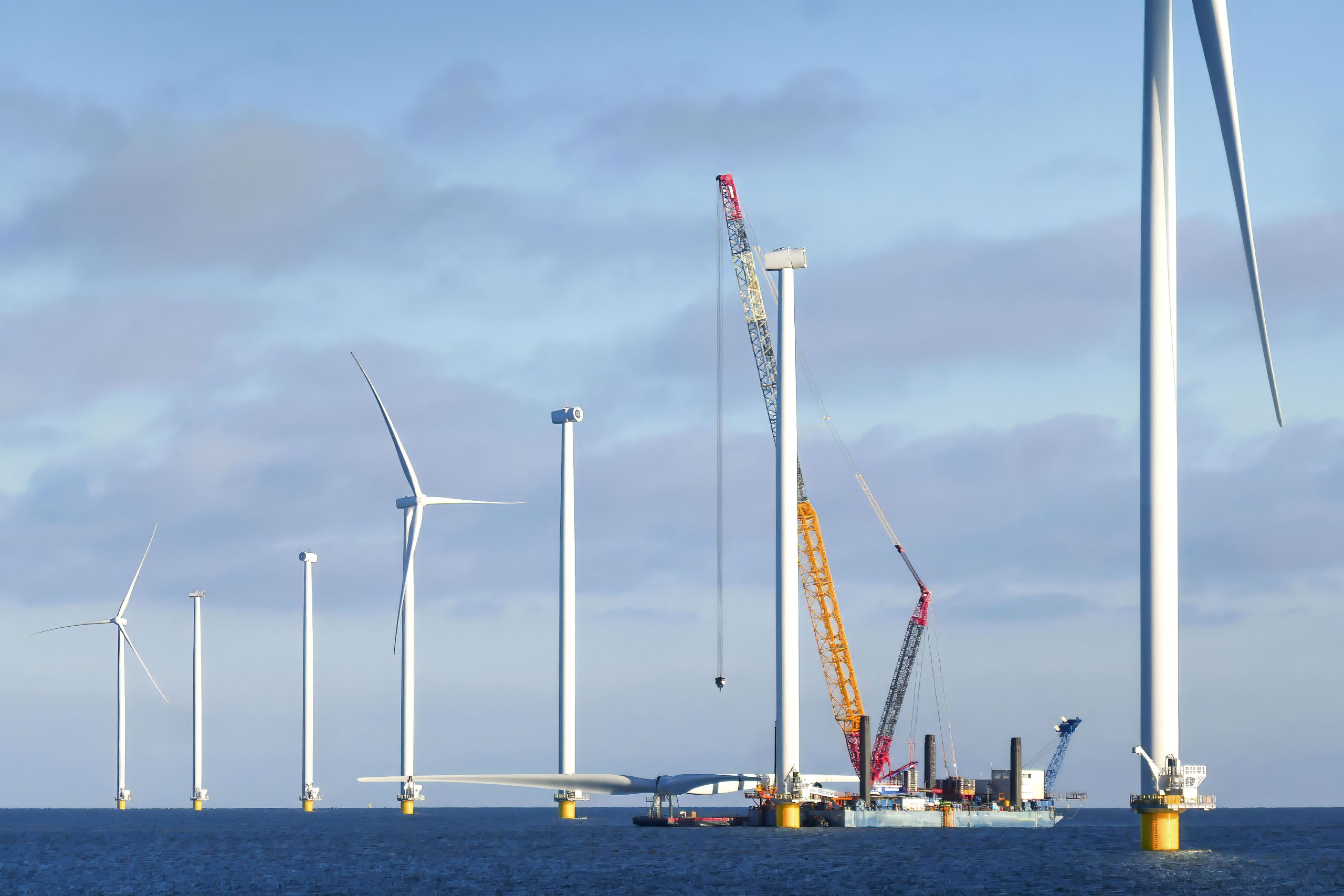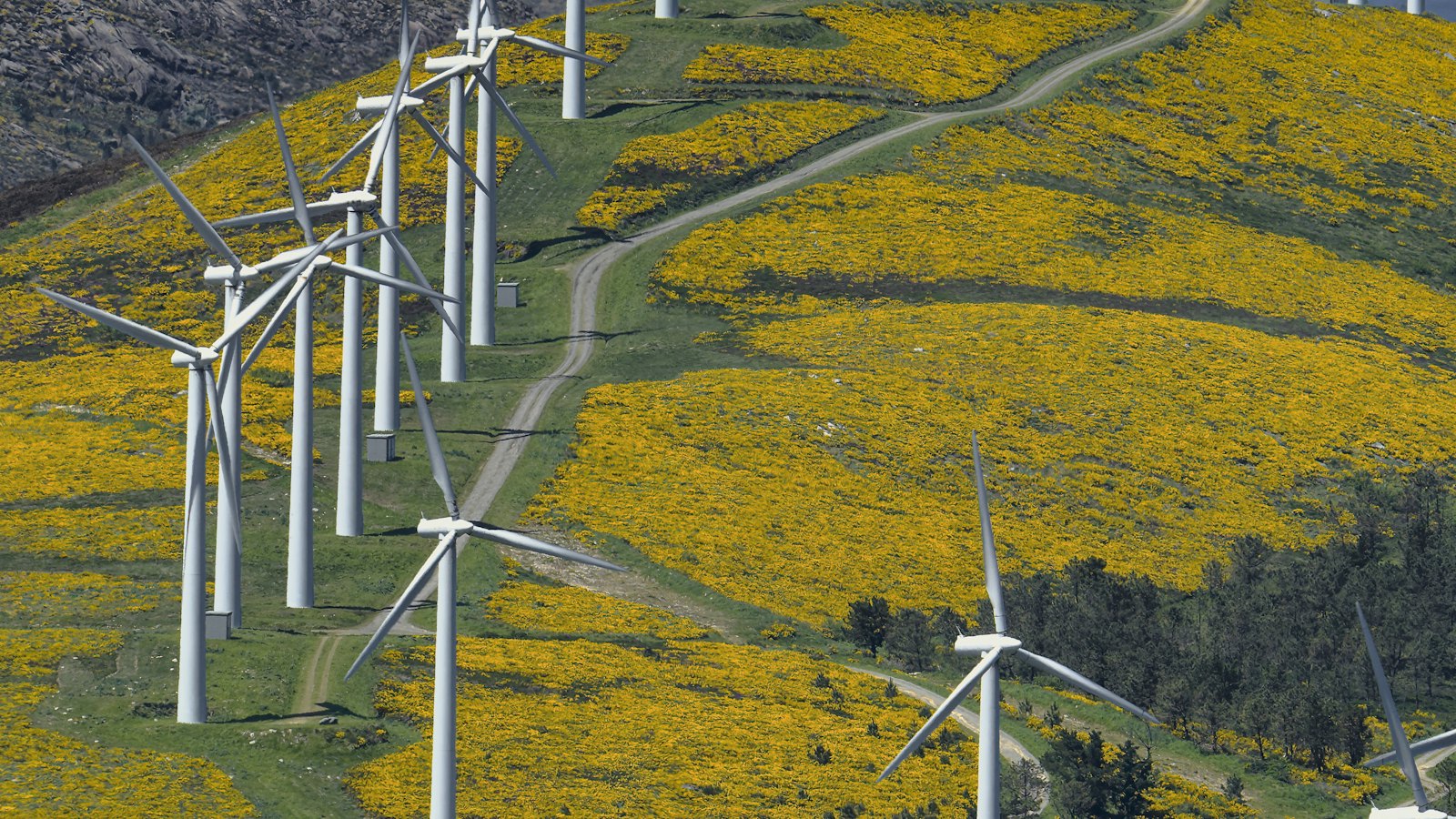
97% of the wind turbine blade waste reported for 2025 was diverted from landfill, up from 89% in 2024 and 70% in 2023, according to data presented by WindEurope at its End-of-Life Issues and Strategies seminar (EoLIS 2026), which opened in Bilbao on 24 November 2026. The industry association used the event to set out what it wants from the EU Circular Economy Act, which the European Commission is due to present about a week later.
WindEurope welcomed the EU’s recently created waste shipment codes for composite materials and permanent magnets, which make it easier to move them across borders. It is asking for the Circular Economy Act to introduce matching waste codes at national level, so these materials can be identified, tracked and sent to specialised recycling plants anywhere in Europe. The association says this would support the voluntary commitment the wind industry made in 2021 to end blade landfilling, and would create the conditions for an EU-wide landfill ban.
The association also warned against rules it considers disproportionate. It argues that wind turbines should not be brought under the new Waste Electrical and Electronic Equipment (WEEE) Regulation, which it describes as ill-suited to waste from large installations.
On capacity, WindEurope said blade recycling is moving to industrial scale. Vestas and Stena Recycling have tested a scalable process in Sweden, and dedicated plants such as Afterwind in Sweden and EnergyLOOP in Spain can each process 10,000 tonnes a year. Similar facilities operate in Italy, the UK and Norway, with more being commissioned in Denmark and Spain.
“More and more wind turbines are reaching the end of their operational lifetime. We expect blade waste volumes to rise from 27,000 tonnes today to 80,000 by 2040,” said Alexander Vandenberghe, WindEurope’s Head of Innovation. “Now we need the policy framework to match this ambition: creating the conditions for an EU-wide landfill ban thanks to dedicated waste codes and simple streamlined procedures to scale up recycling.”
WindEurope frames circularity as a resource-security question as much as an environmental one, since Europe relies on a small number of external suppliers for many energy-transition materials. For the Baltic region, where Denmark and Germany operate some of Europe’s oldest onshore and offshore fleets and Sweden hosts recycling capacity, the design of the Act will shape how repowering waste is handled in the years ahead.