In a volatile market shaped by swings in gas and power prices, safeguarding energy security has become a necessity for Polish companies, Michał Popiołek, managing director for global and investment banking at mBank, said at the 16th European Financial Congress in Sopot. Firms that fail to build energy security into their strategies, he warned, typically run into trouble later, facing downtime because they can no longer afford to operate.
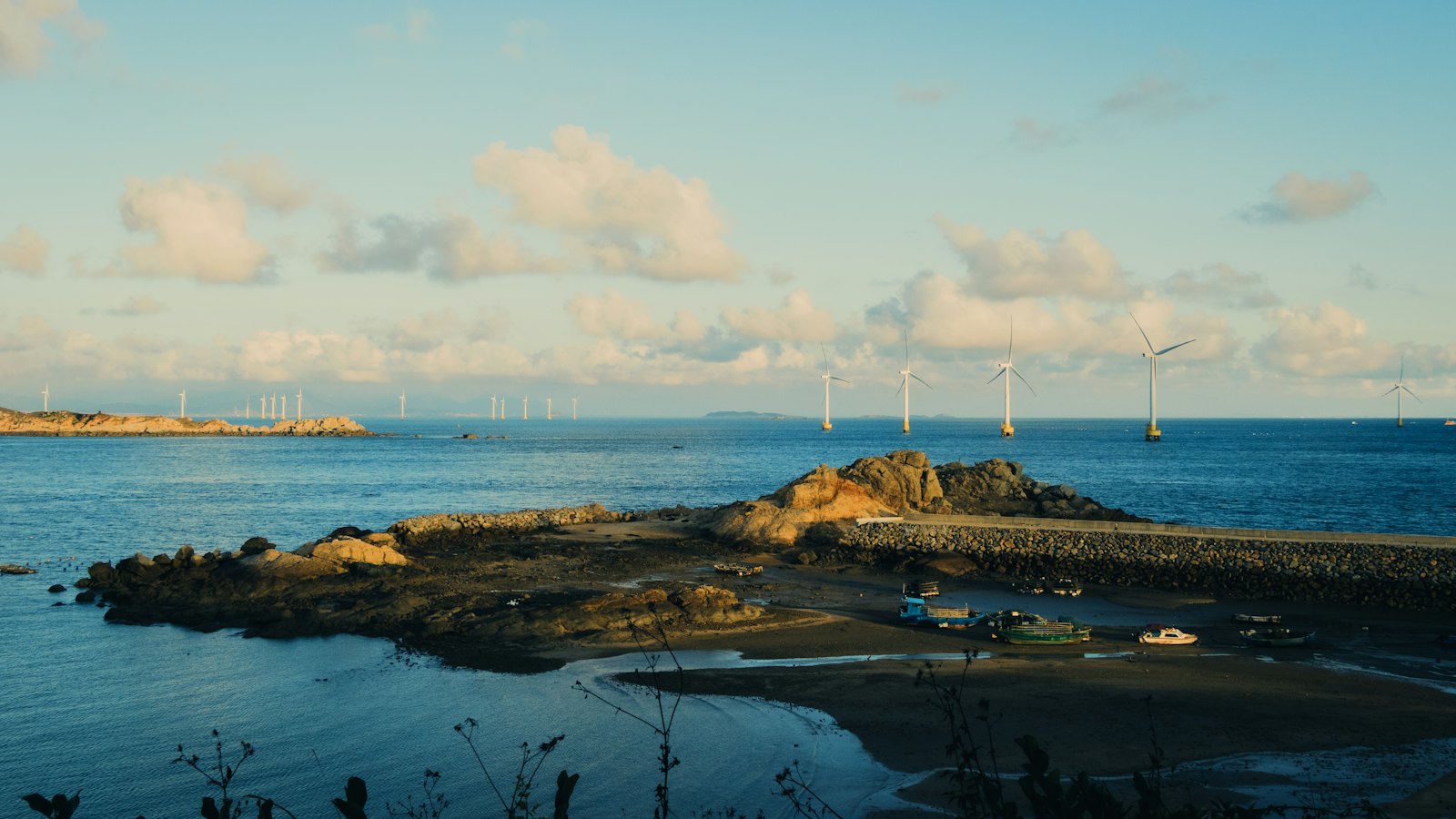
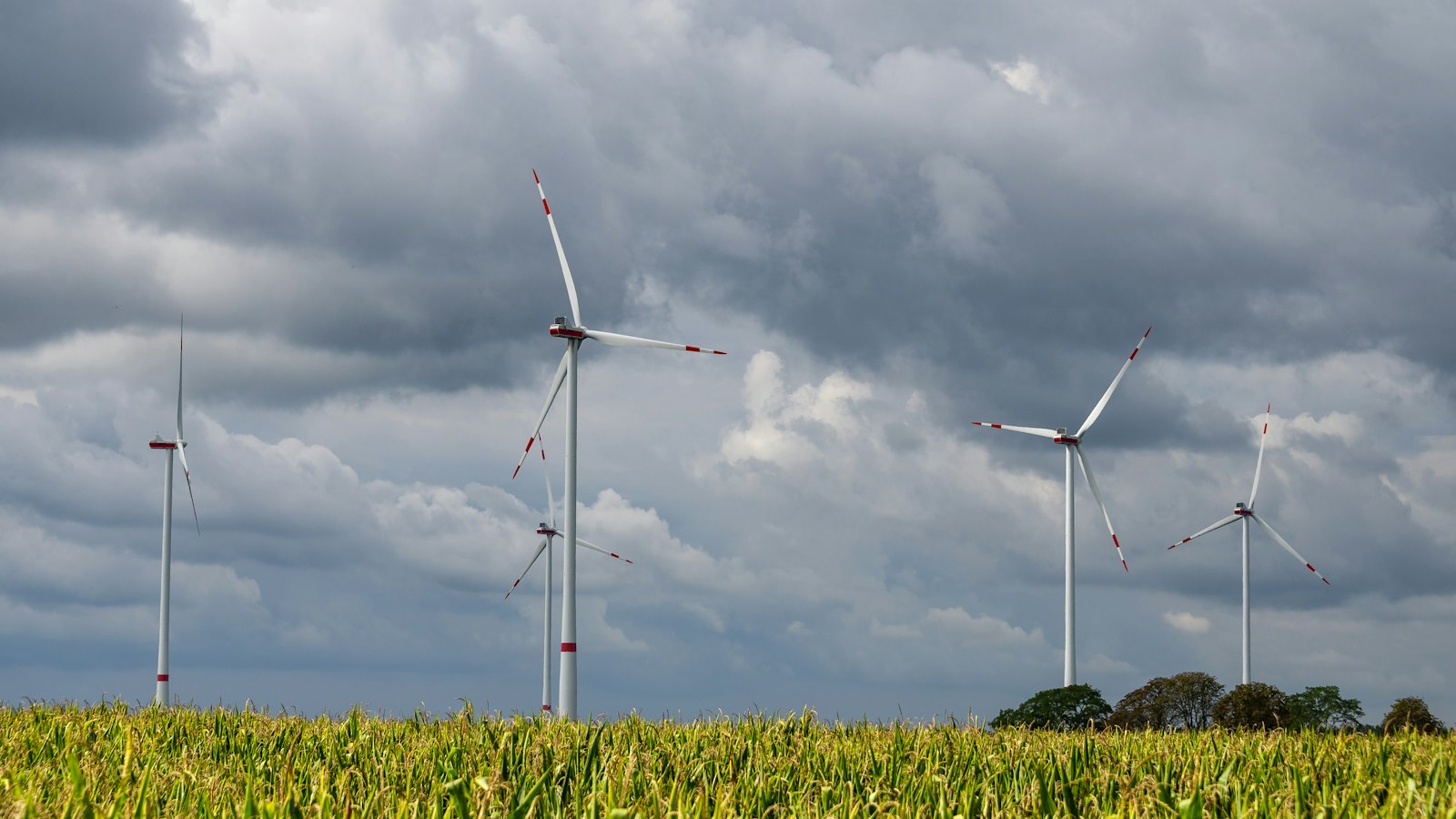
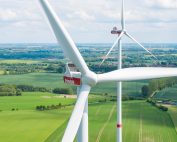
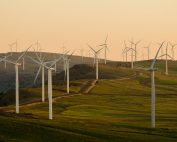
Popiołek’s recommendation was direct: companies are best served by investing in their own renewable generation. Done well, he argued, on-site renewables let a business bypass transmission costs, making it the most efficient option available and one that also delivers energy security.
The remarks, delivered at one of the EU’s more prominent economic forums, reflect a wider shift in how the corporate sector frames the energy transition, less as a compliance or sustainability exercise and more as a question of operational resilience and cost control. For Baltic industry facing the same price volatility and supply risks, the logic is the same: self-generation is increasingly treated as a hedge, not a luxury.