The Council of the EU adopted a new set of restrictive measures against Russia on 15 June 2026, adding 34 individuals and 47 entities to its sanctions lists. The package targets Russia’s military-industrial complex, its energy revenues, hybrid activities, state propaganda and human rights violations.
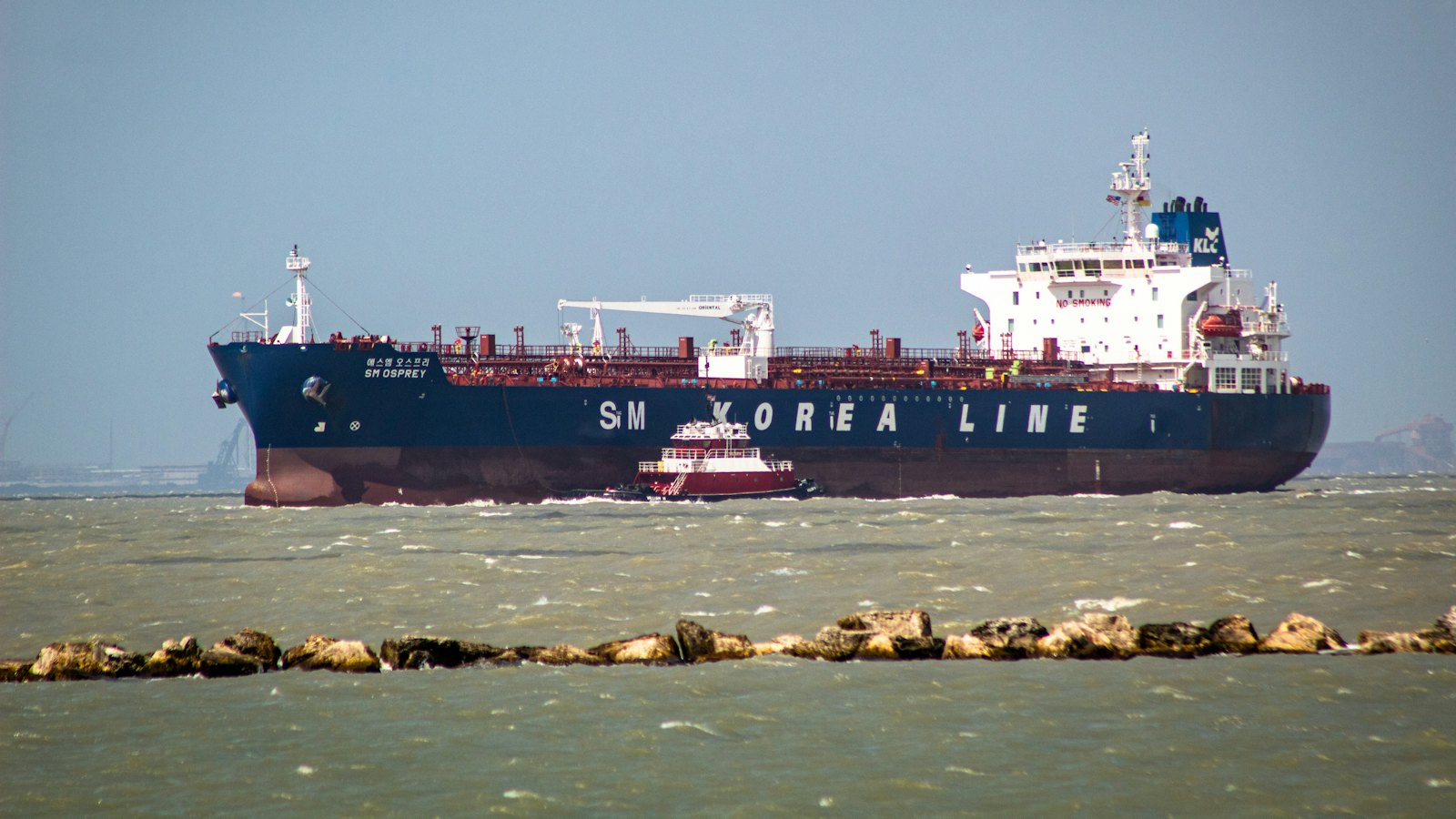
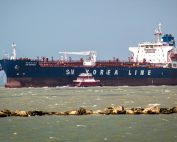
To curb energy revenues, the measures list two individuals and 24 entities connected to the shipment and export of crude oil and petroleum products from Russia, including through its shadow fleet of tankers. The listings include Lukoil-Western Siberia and companies based in Russia, Liberia, Türkiye, the United Arab Emirates, Azerbaijan and Hong Kong. The EU describes the shadow fleet as a tool designed to circumvent sanctions that also poses a threat to maritime safety and the environment.
“These measures strike at the heart of Russia’s military-industrial complex, its shadow fleet, and the networks that fuel Moscow’s hybrid attacks against Europe,” said Kaja Kallas, High Representative for Foreign Affairs and Security Policy. She said Western sanctions have already cost Russia an estimated €1 to €1.3 trillion, with work under way on a broader 21st package.
The package also covers seven individuals and 21 entities supporting Russia’s defence industry, including drone and military-equipment makers; ten individuals and one entity linked to disinformation; and 15 individuals and one entity connected to the persecution and death of Alexei Navalny. The Council separately renewed its measures over the illegal annexation of Crimea and Sevastopol until 23 June 2027.
The shadow fleet is a direct concern for the Baltic Sea region, where ageing, often uninsured tankers transit busy shipping lanes close to coastlines, ports and the subsea cables, pipelines and offshore wind infrastructure that Baltic states are working to protect.