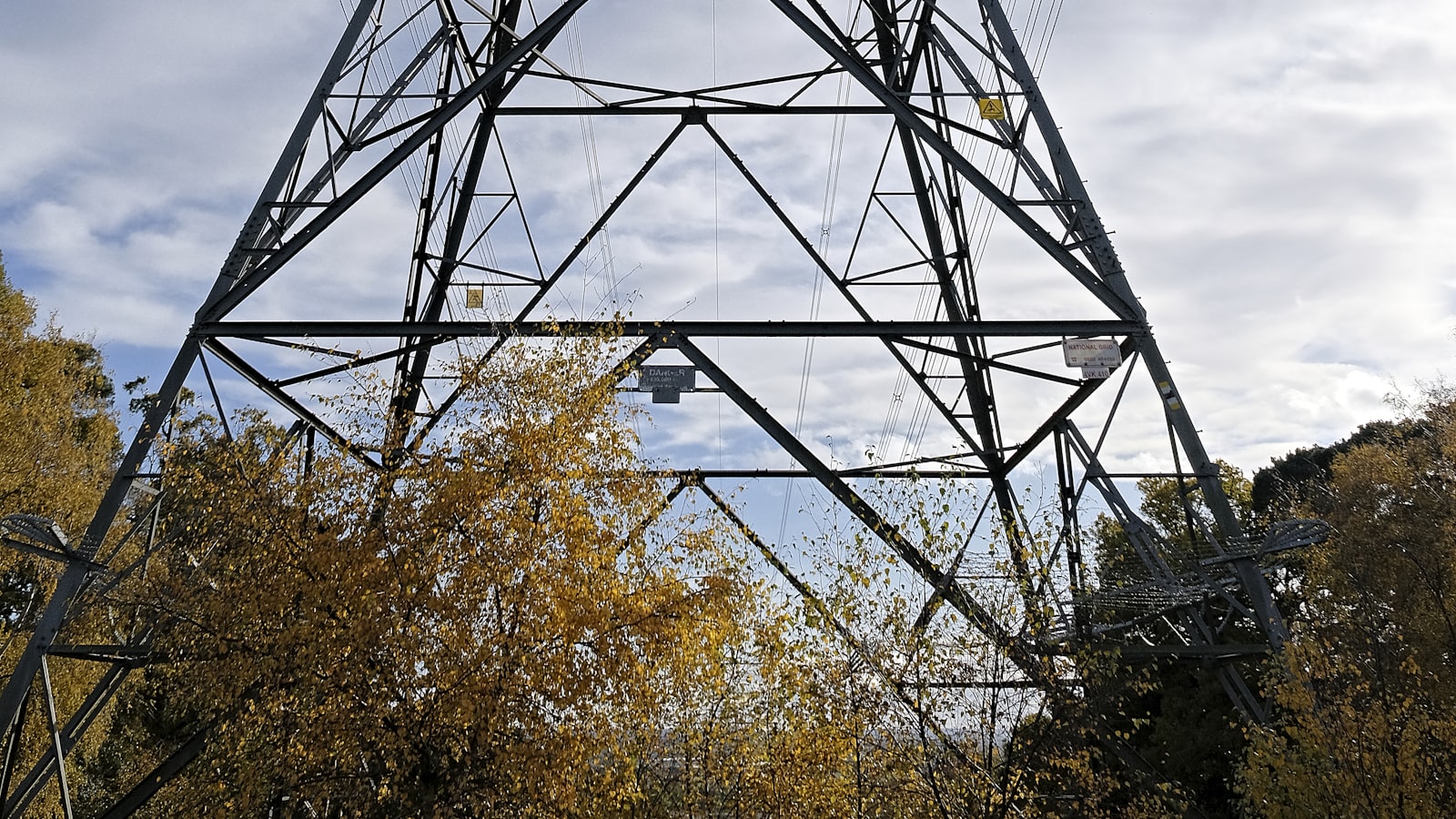
The European Commission on 17 July presented its Electrification Action Plan, setting a target to double the share of electricity in the EU’s energy mix from 23% today to 46% by 2040. Alongside it, the Commission published a revision of the Emissions Trading System (ETS). The Commission argues that faster electrification is the quickest route to lower energy bills, greater industrial competitiveness and reduced exposure to volatile fossil fuel markets.
According to the Commission, meeting the 2040 target would cut the EU’s oil consumption by half and its gas use by two-thirds, reducing the bloc’s vulnerability to geopolitically driven price shocks. The plan asks national governments to lower VAT on electric vehicles and heat pumps, phase out fossil fuel subsidies and fully implement the Renewable Energy Directive.
The package includes a legislative proposal aimed at reshaping the electricity system. It would stop electricity being taxed more heavily than gas, curb speculative grid connection requests that block available capacity, and tie grid levies to the cost-efficient operation of the network.
Industry group WindEurope welcomed the electrification target but criticised the parallel ETS revision. It noted that the ETS raises tens of billions of euros a year, yet only around 5% of reported revenues are spent on industrial decarbonisation. Allowing industry to keep emitting well into the 2040s and extending free allowances, the group argued, weakens the case for investing in electrification and penalises early movers. WindEurope also said the revision fails to prioritise industrial electrification within the Innovation Fund and the Industrial Decarbonisation Bank.
“Doubling the share of electricity in our energy mix by 2040 is the right call,” said WindEurope chief executive Tinne Van der Straeten, adding that the priority now is for the ETS to “send a strong carbon price signal and gear revenues at industrial electrification.” The association pointed to existing technology capable of electrifying 930 TWh of industrial process heat below 500°C in sectors such as food and beverage, paper and pulp, and pharmaceuticals.
For the Baltic Sea region, where governments are counting on large-scale offshore wind to decarbonise power supply, the electrification target and the proposed grid rules could shape how quickly new renewable capacity is absorbed by industry and consumers.