Hamburg-based engineering consultancy F2E – Fluid & Energy Engineering has released version 4.0 of its wake2e software for onshore wind farm site suitability and load assessment. The update, announced on 21 September, introduces a single revised calculation procedure for sectoral effective turbulence intensities, which the company says brings its method into line with current wake models and the way turbine manufacturers now run their own evaluations.
Turbulence intensity is a core input in determining whether a given turbine type can be safely operated at a specific position in a wind farm, since turbulence from neighbouring turbines drives fatigue loads. F2E says wake2e 4.0 links the latest wake models with sector-by-sector effective turbulence intensities on a consistent basis, producing input data that sit closer to real load conditions and therefore less conservative results at demanding sites.
The company argues the alignment has become necessary because manufacturers increasingly submit their own assessments under the EU Machinery Directive. “Seamless methodological consistency is essential,” said Dr Thomas Hahm, managing director at F2E. “Our new, revised calculation procedure bridges this gap and delivers optimised sectoral turbulence intensities,” providing what he described as a manufacturer-independent basis for decisions by planners, authorities and banks.
Silva Mäusling, also managing director, said integrating sectoral effective turbulence intensities directly into a unified model removes earlier compromises between different methods, so planners receive site-specific input data that reduce blanket conservative assumptions while remaining usable in the permitting process.
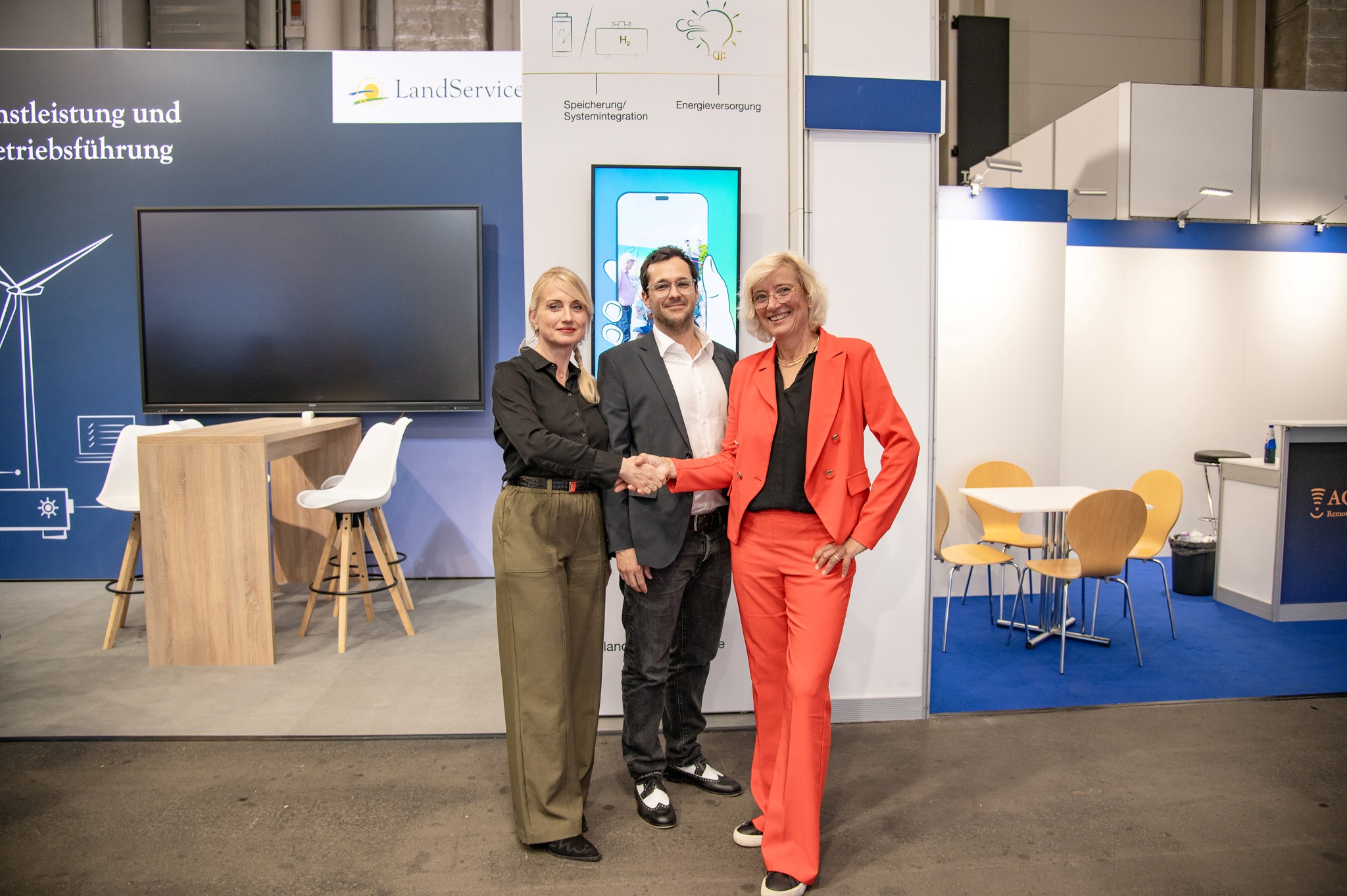
The update is available to existing customers through the wake2e portal. F2E will demonstrate it at WindEnergy Hamburg from 22 to 25 September in Hall A3, Stand 515. Founded in 2008 by three former TÜV NORD experts, the 25-person firm provides site suitability assessments, ice-throw and structural risk evaluations and CFD flow simulations for new-build and repowering projects, and says it draws on experience from more than 30,000 assessments.
Germany’s onshore permitting process relies on independent expert reports of this kind, and denser wind farm layouts and repowering with larger turbines make turbine-to-turbine wake effects a more frequent constraint. A press release issued earlier on 21 September contained an error in its English version; this article is based on the corrected version distributed by F2E the same day.