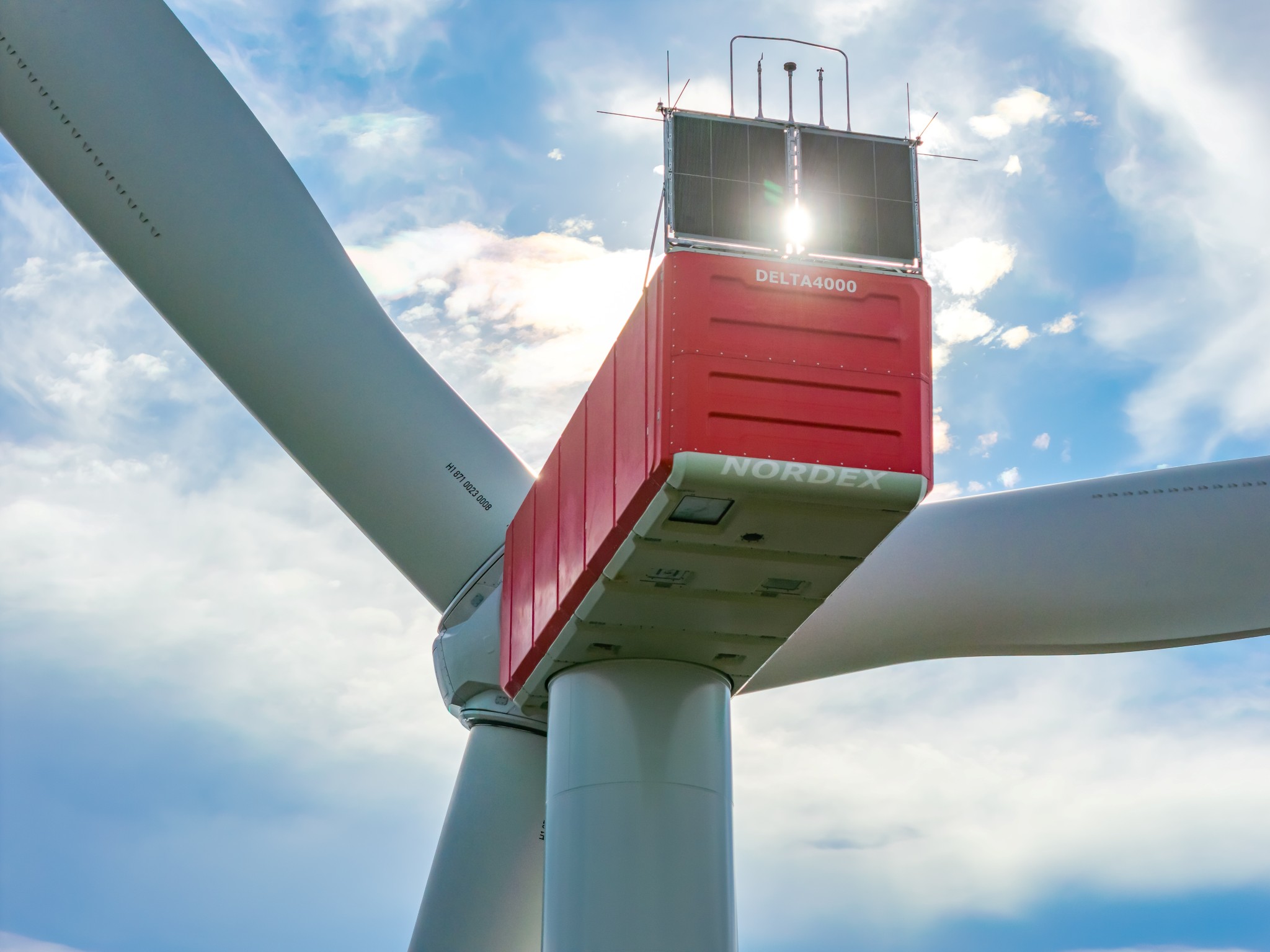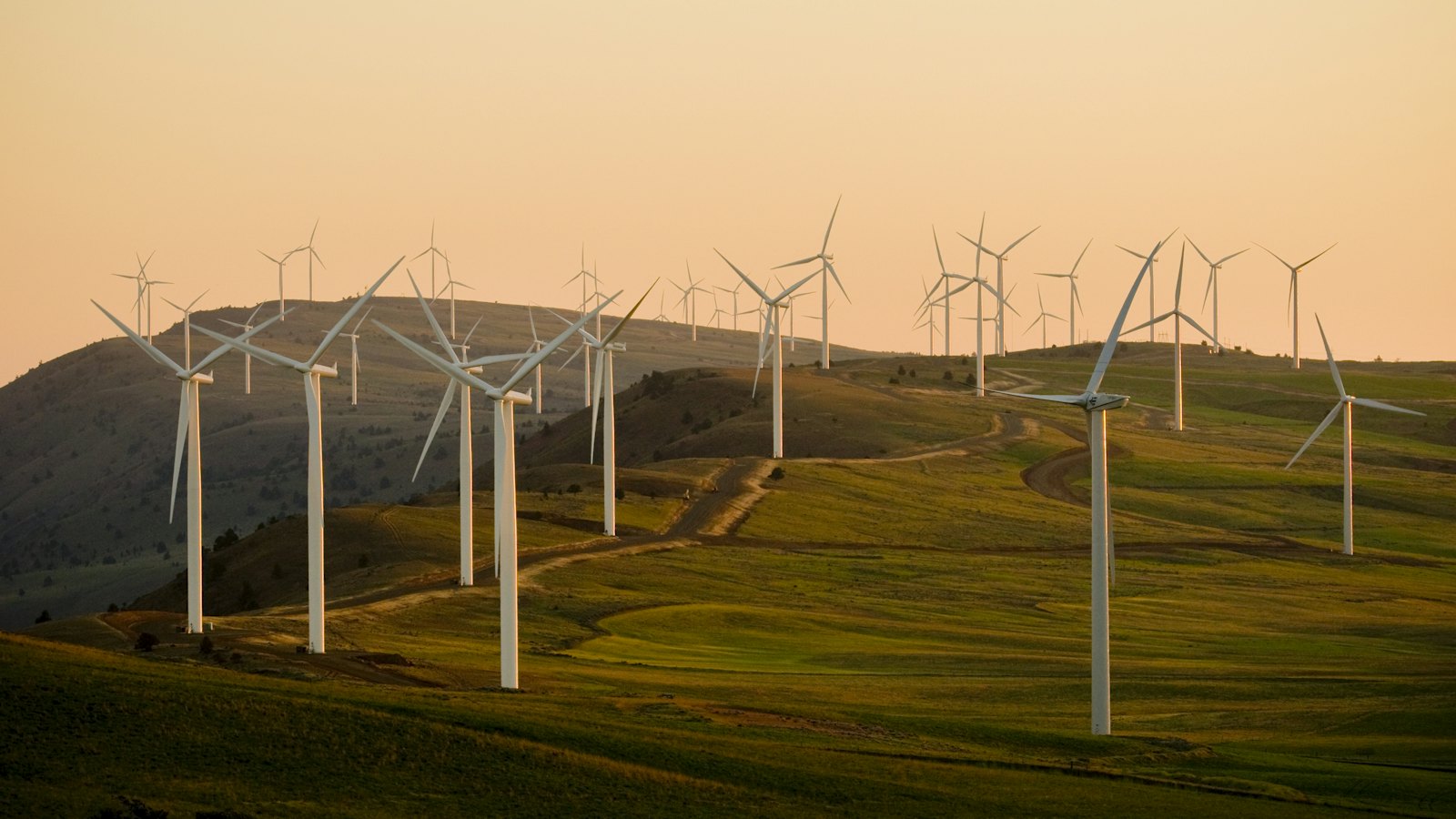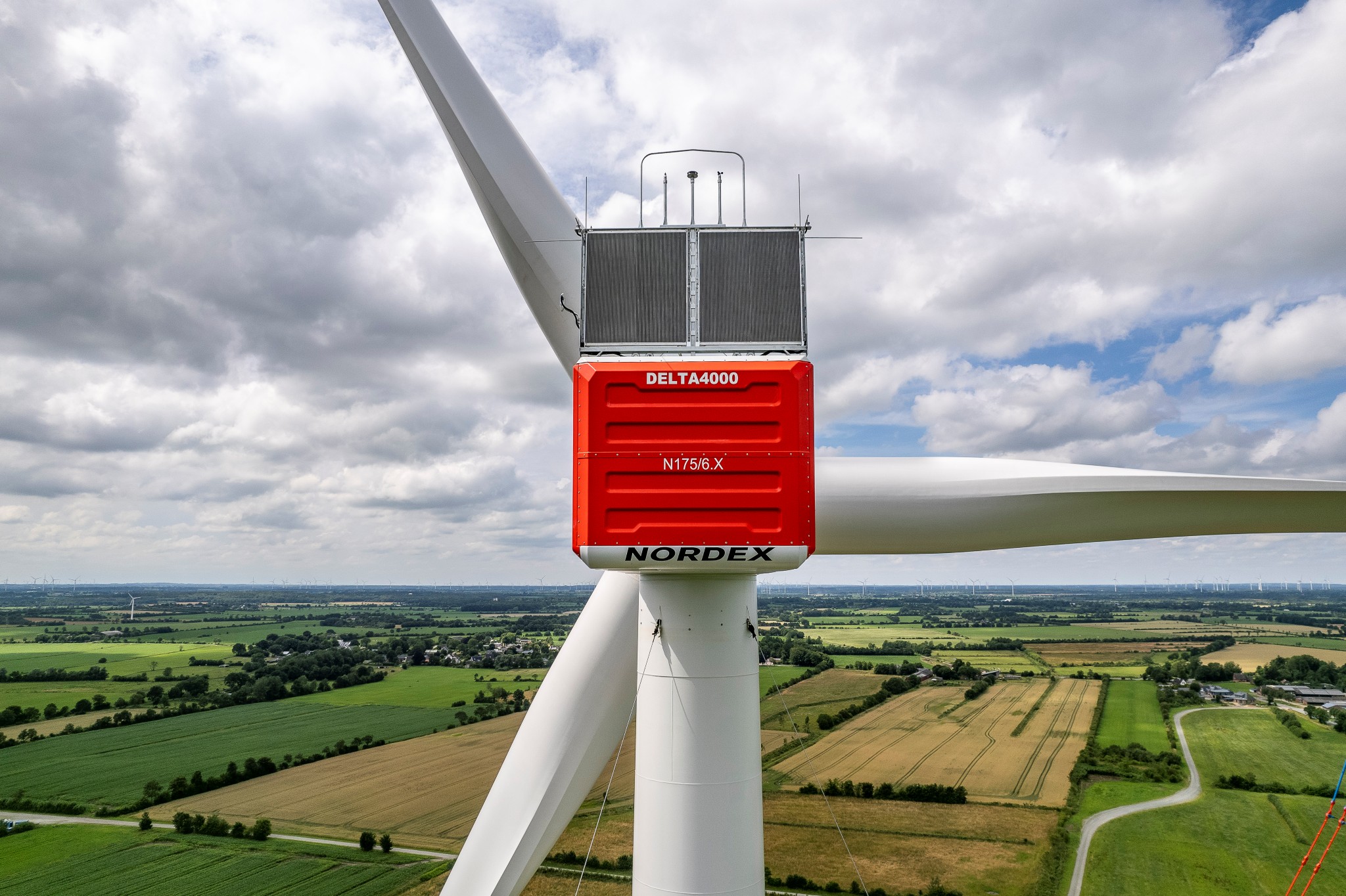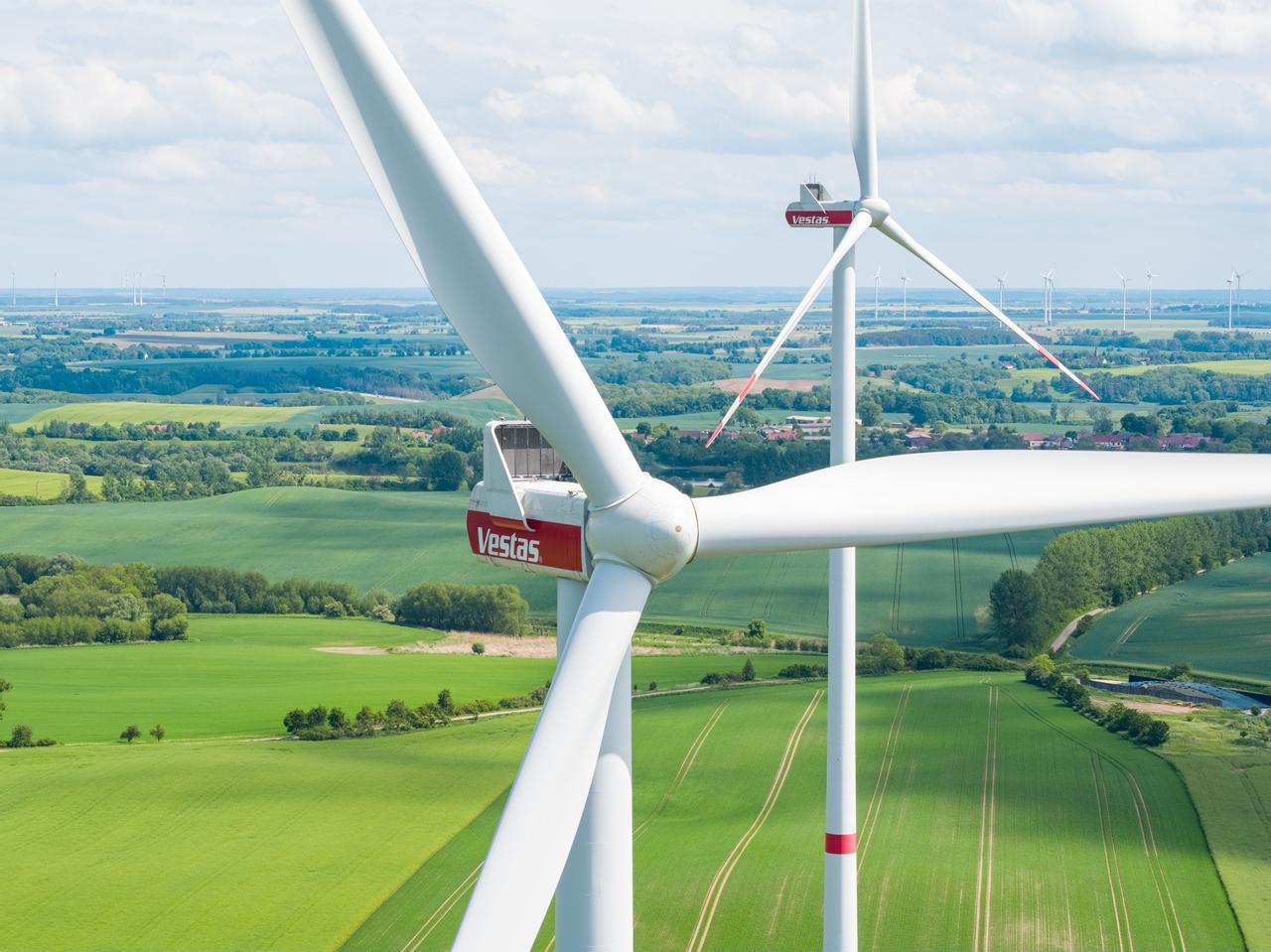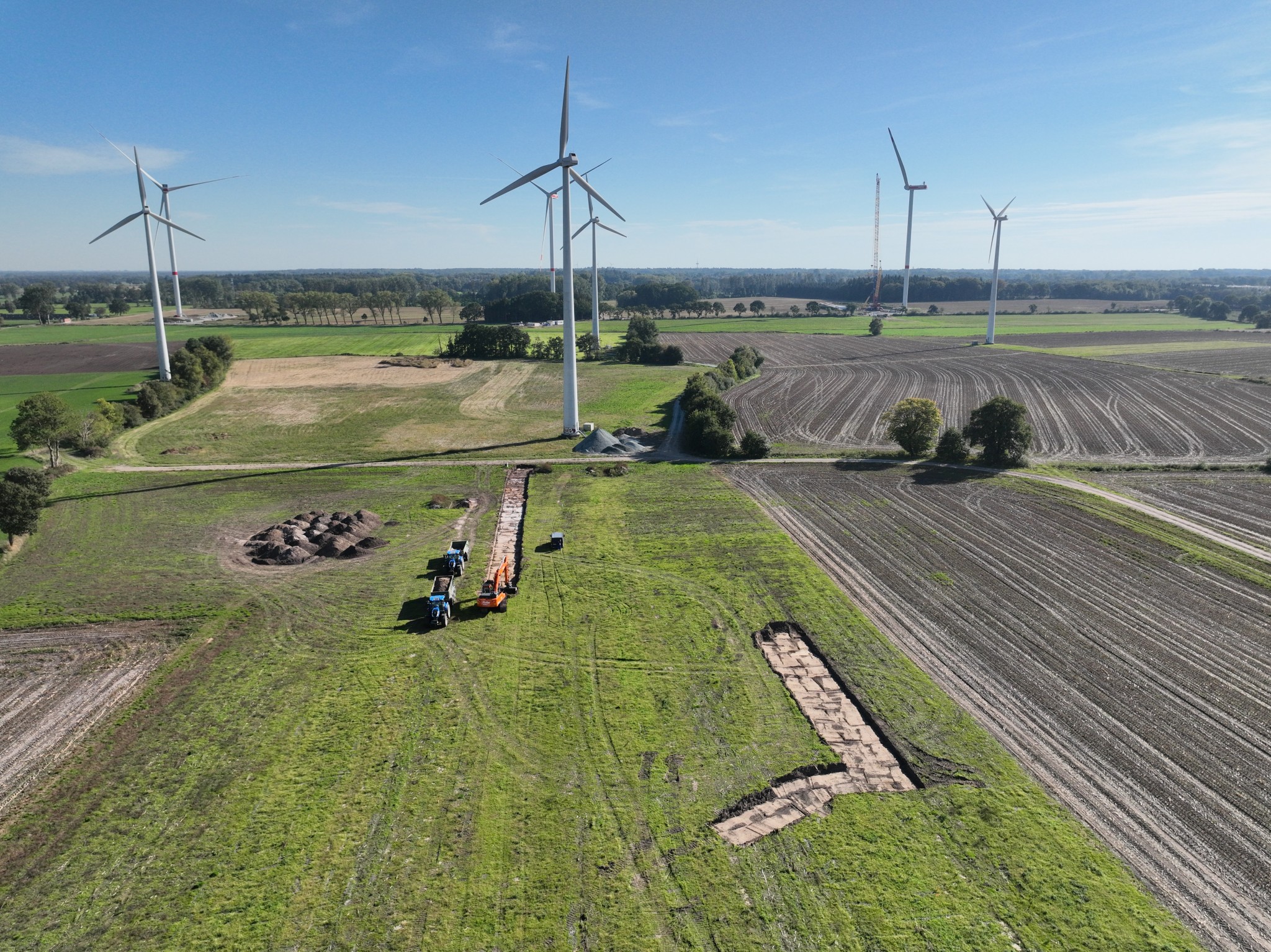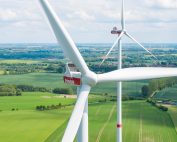
The wind industry marks Global Wind Day on 15 June with a campaign built around community participation. This year’s edition, “Our Wind, Our Community”, run by WindEurope together with the Global Wind Energy Council and national renewable energy associations, highlights how local people share in the benefits of wind farms — and urges policymakers to protect the participation models that make this possible.
Wind now supplies around 20% of the electricity consumed in Europe and employs roughly 440,000 people across more than 250 factories. Global capacity passed 1 TW in 2023 and reached 1.3 TW by the end of 2025, with a record 165 GW added last year. WindEurope says most European countries already operate mandatory or strongly incentivised benefit-sharing frameworks, ranging from lower electricity bills to community funds and co-ownership schemes.
The campaign gathers concrete cases. In Celado Fusión in rural Spain, revenue from a local wind farm funded a swimming pool, a paddle tennis court and a taxi service for elderly residents in a region that had been losing population for decades. In Andilly-les-Marais in France — this year’s winner of the Fast and Fair Renewables Award — 380 residents invested €1.2m to co-own a third of the local wind farm, which returns €62,000 a year to local education and infrastructure. Across Europe, the sector pays €2.3bn annually in local taxes, often the single largest contribution to rural municipal budgets.
WindEurope used the occasion to caution against draft EU rules it considers overly prescriptive. The association argues the proposals duplicate national participation frameworks, leave too little room for local solutions and could raise costs in ways that undermine project viability. “These participation models work. Let’s not overregulate them,” said WindEurope CEO Tinne Van der Straeten, adding that flexibility tailored to local needs delivers better outcomes than rigid rules — and that overly strict requirements risk slowing the wind deployment Europe needs for its energy security and competitiveness.
The debate matters for the Baltic Sea region, where onshore and offshore pipelines are expanding quickly. Poland’s onshore sector is reviving after the relaxation of its 10H distance rule, and the same questions of social acceptance, benefit-sharing and local ownership now shape projects from Pomerania to the Baltic states. How Brussels writes the participation rulebook will help determine whether that build-out keeps communities on side.