EWE, RWE and Vattenfall are selling their shares in the alpha ventus offshore wind farm to Ocean Breeze Energy, the owner and operator of the BARD Offshore 1 wind farm. The companies announced the agreement on 1 October 2026. The transaction is expected to close in the fourth quarter of 2026, and the parties agreed not to disclose financial details.
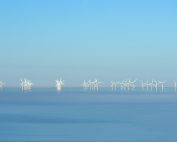
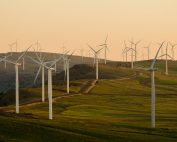
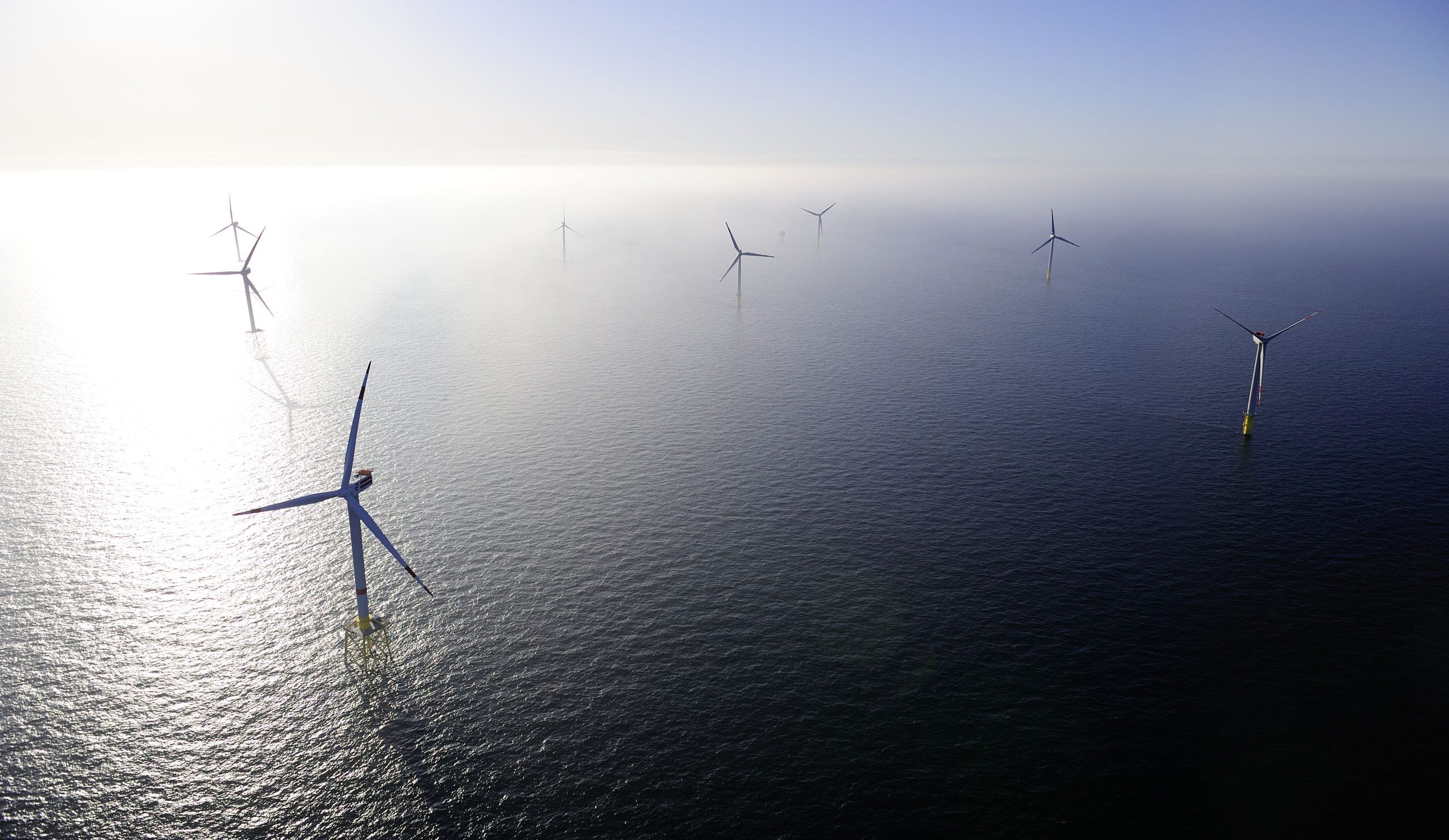
Alpha ventus lies about 45 kilometres north of Borkum in the German North Sea. Commissioned in 2010 with twelve turbines and a total capacity of 60 MW, it was Germany’s first offshore wind farm. The three utilities built it as a joint venture and used it as a demonstration and test site for turbine technology and for operation and maintenance concepts.
Ocean Breeze Energy plans to keep the farm in operation beyond its originally intended 20-year lifespan. The buyer is wholly owned by funds managed by Macquarie Asset Management and runs BARD Offshore 1, Germany’s first commercial offshore wind farm, with 80 turbines and a maximum capacity of 400 MW. It points to more than ten years of experience operating a wind farm with older turbine technology, to operational synergies with the neighbouring BARD site and to its own technical solutions as the basis for extending alpha ventus.
“As Germany’s first offshore wind farm, alpha ventus played a key role. The project was a unique testing ground and learning environment for technologies, operational and maintenance concepts, and the development of offshore expertise,” said Jantje Bolduan, Offshore Manager at EWE. Jean Huby, CEO of Ocean Breeze, said the company sees “considerable potential for a profitable operation of alpha ventus” and wants to “open a new chapter” for the project.
The sale points to a question that more owners will face as Europe’s first offshore wind farms near the end of their planned lifespans: decommission, repower or keep operating. A specialist operator taking over a first-generation site is one answer. The Baltic Sea is a younger offshore market than the North Sea, but its older farms, built in the 2000s and early 2010s, will reach the same decision point in the coming years.