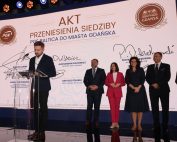
The WindEurope board has elected Ørsted chief executive Rasmus Errboe as its new chair and Enel Green Power chief executive Salvatore Bernabei as vice-chair. Their 18-month term began on 16 September 2026. Errboe succeeds Vestas chief executive Henrik Andersen, whom the association thanked for his leadership during his tenure.
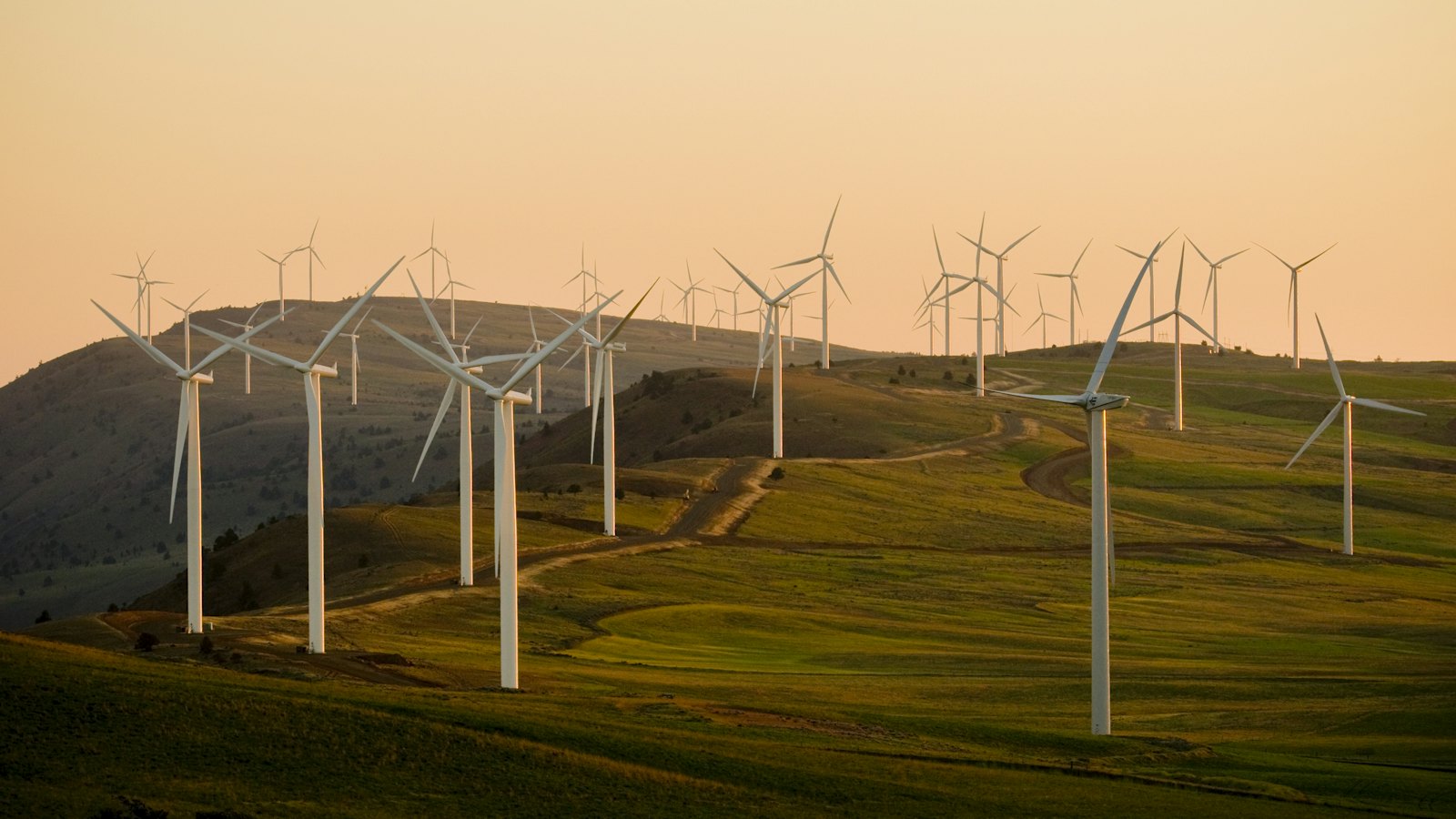
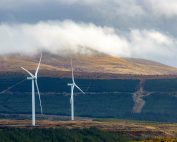
The handover comes in a year the industry body expects to be a record one. Europe is on track to install 24 GW of new wind capacity in 2026, enough to supply around 20 million households, according to WindEurope. The association also points to 480,000 jobs supported by wind in Europe and to its own analysis that a renewables-based power system would save the continent up to EUR 1.6 trillion by 2050, even after accounting for the additional cost of grids, storage and system integration.
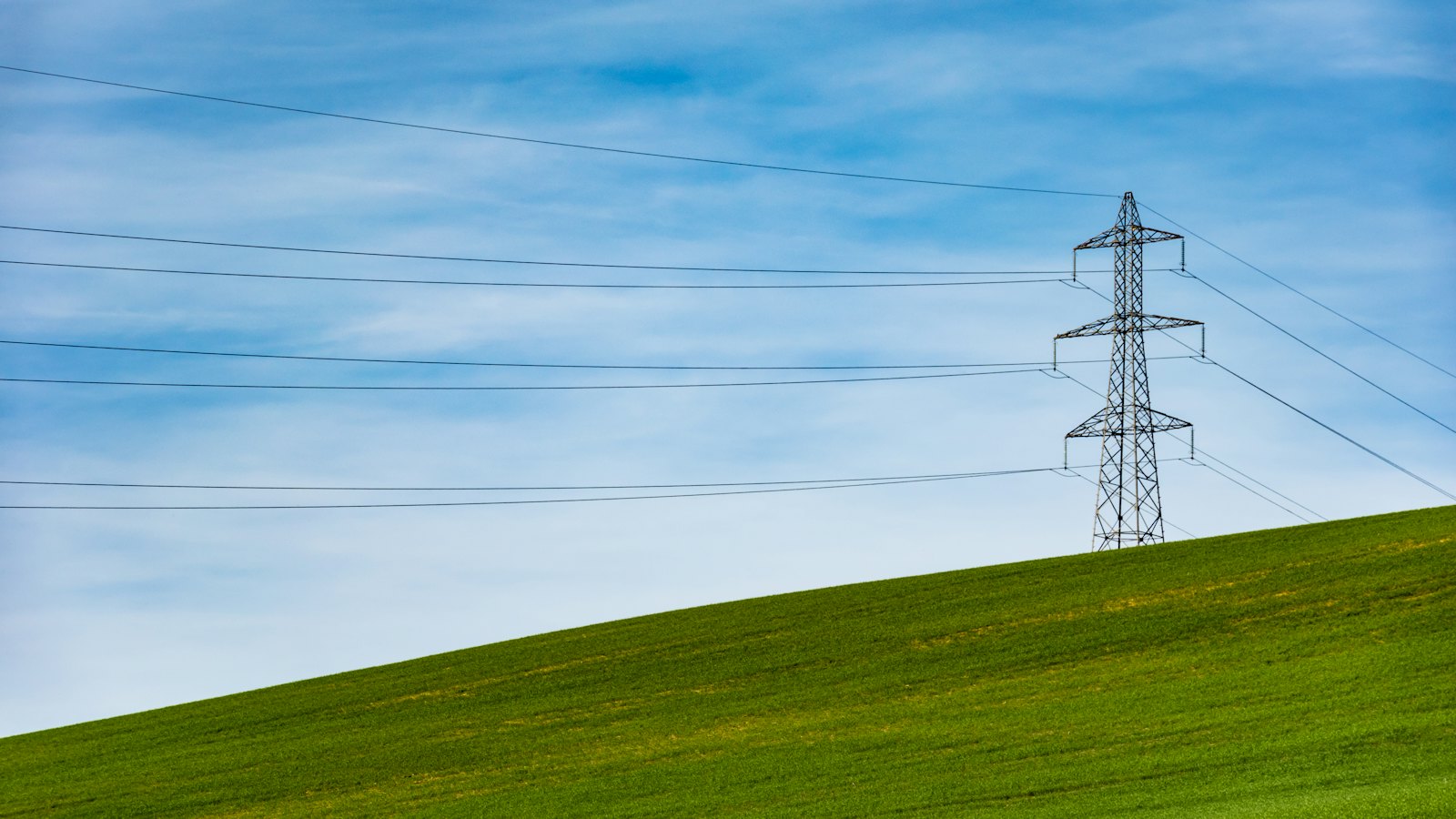
WindEurope nonetheless warns that the growth cannot be taken for granted. It lists cumbersome permitting, slow grid build-out and insufficient electrification as factors undermining investment in new projects, and says poor auction design and uncertainty over the EU’s 2040 renewables target threaten Europe’s energy and security goals.
“Wind energy is key to addressing the challenges facing Europe. We need secure, renewable, and affordable energy that strengthens our competitiveness, supports jobs, and drives innovation,” Errboe said. “We now need to turn ambition into action by accelerating electrification, expanding our grids, and creating the right conditions for investment across Europe.”
As vice-chair, Bernabei also takes over as chair of the WindEurope Management Committee, with Alfredo Parres of Hitachi Energy becoming the committee’s vice-chair. “As Vice Chair, I am committed to fostering stronger cooperation among institutions, industry and stakeholders to ensure that the energy transition advances with pragmatism, speed and impact,” Bernabei said.
The appointment puts the head of the world’s largest offshore wind developer at the top of the European industry association at a time when Baltic Sea projects, from Poland’s first offshore farms to German auctions, form a growing share of the European pipeline that WindEurope’s permitting and grid agenda is meant to unlock.