The Klaipėda State Seaport Authority has completed a concept design for a green methanol bunkering vessel, following an assessment of whether the Lithuanian port can supply alternative marine fuels as shipping decarbonises.
The concept was developed by Western Baltic Engineering, part of the Western Shipyard Group (VLG), which operates at the port. The vessel is designed for shallow waters and local bunkering routes, with a green methanol capacity of 800 metric tonnes and the capability to supply up to 250,000 tonnes a year.
The work sits within H2Deri@BSP, a project involving 14 partners from several countries that aims to accelerate the use of hydrogen-based fuels and support the shift to zero-emission shipping. As part of it, the Port Authority assessed expected demand for green methanol, the regulations supporting alternative fuels, potential customers and fuel supply chains.
An analysis by Moffatt & Nichol Baltics found that the green methanol market in the Baltic region remains at an early stage, but concluded that ports able to offer alternative fuel bunkering are likely to become more attractive to shipping lines. For Klaipėda, the study identified bunkering as a possible new business area and revenue stream.
“The energy transition is changing the maritime sector and creating demand for cleaner solutions. As the alternative fuels market develops, ports will also need to adapt their infrastructure and services,” said Algis Latakas, chief executive of the Klaipėda Port Authority. “We are preparing now so that, as green shipping corridors develop across the Baltic Sea, the Port of Klaipėda will be ready to meet market needs and remain competitive.”
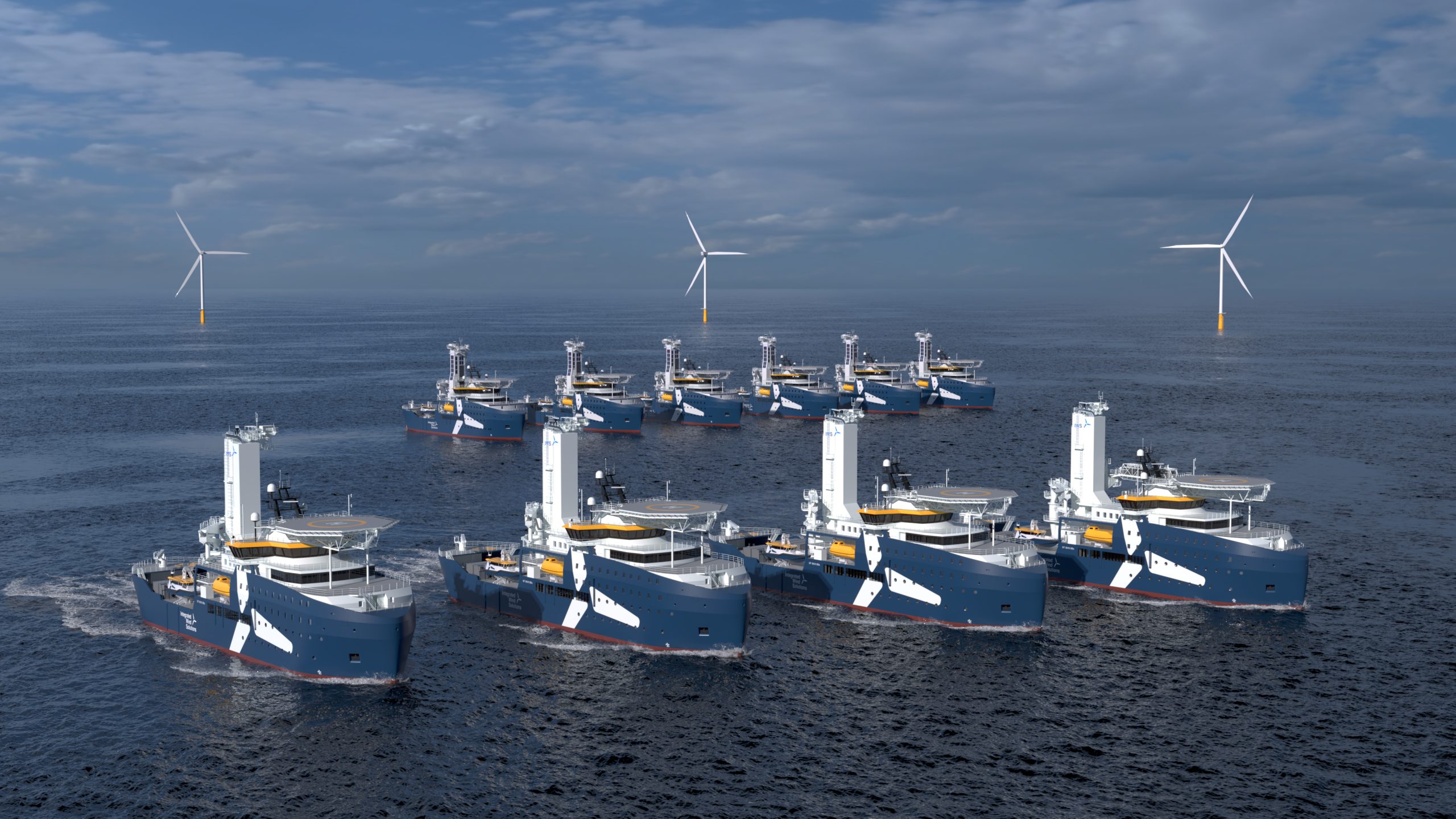
The study also pointed to green methanol produced from green hydrogen, a route for which the port has part of the groundwork in place: a green hydrogen production facility is already in operation at Klaipėda. Demand is expected to come first from regional vessels, passenger ships and ferries, and from vessels serving offshore wind farms, a segment set to grow as Baltic offshore capacity is built out.
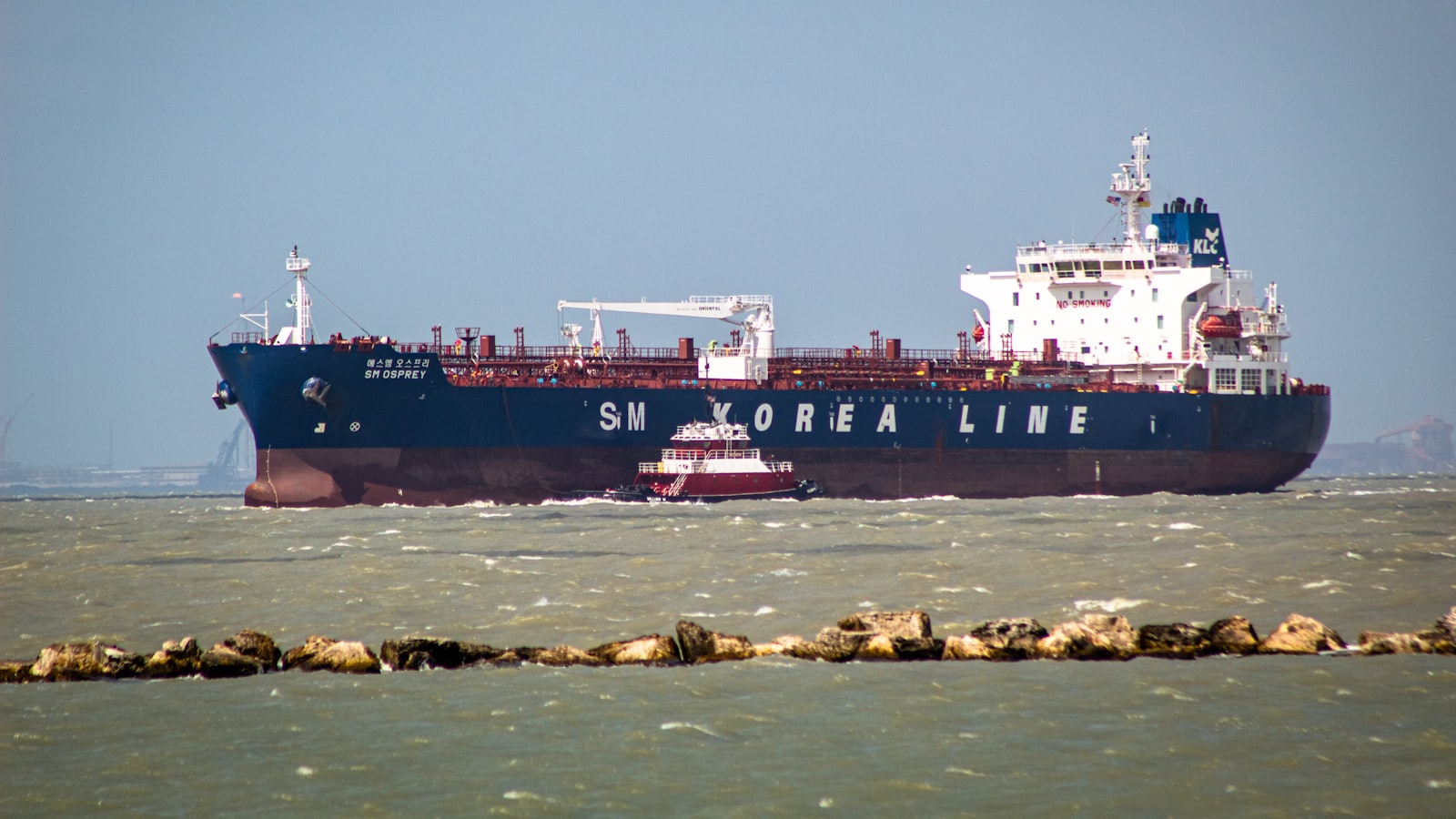
Klaipėda has handled methanol-powered traffic since 2024, when the container ship Eco Umande, operated by Singapore’s X-Press Feeders, began calling at the port. The Port Authority has also signed cooperation agreements with other ports to support the development of green methanol infrastructure.