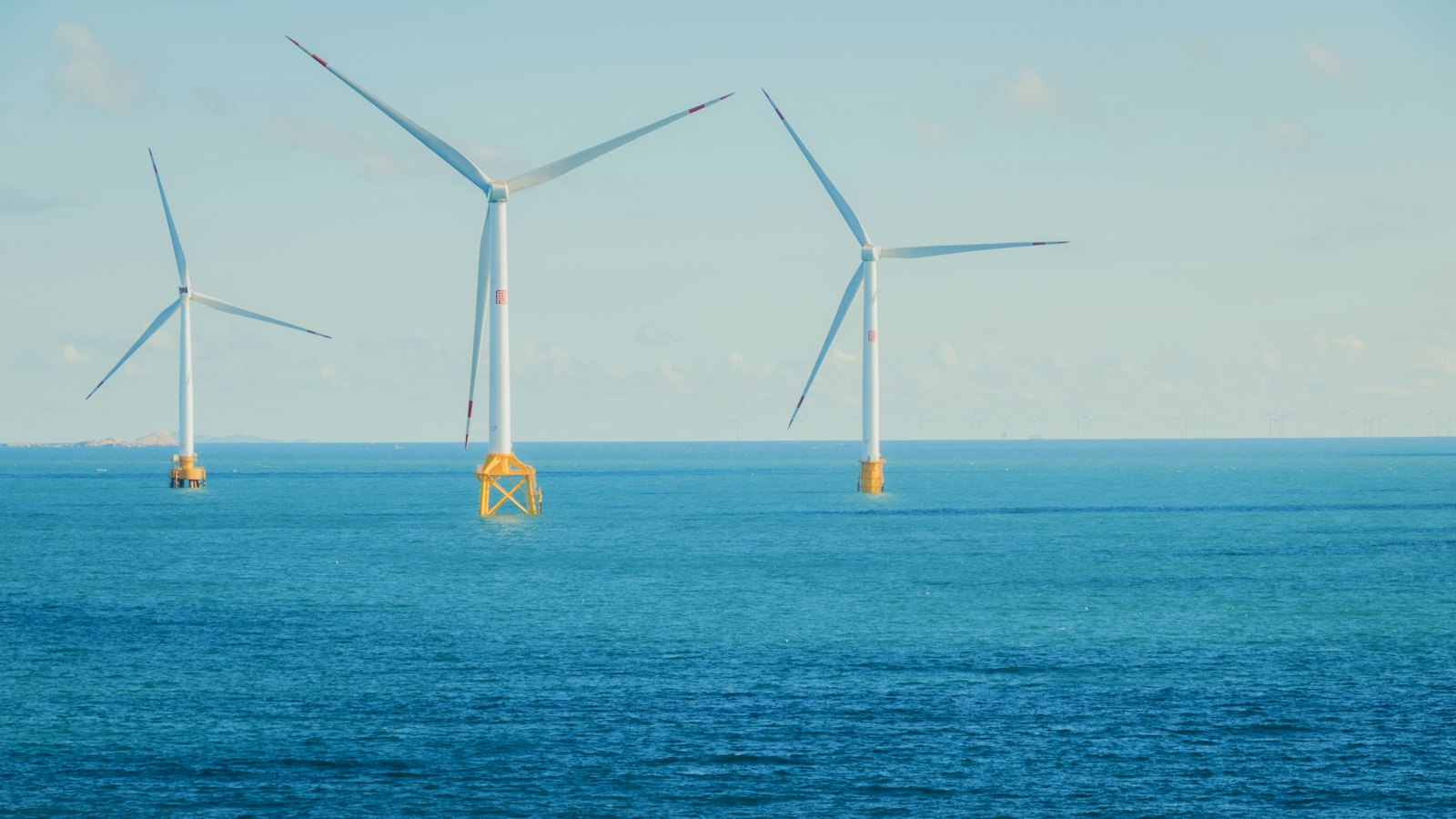
Decommissioning provisions for UK offshore wind farms with turbines of similar capacity can differ by as much as ten times, according to a whitepaper published on 24 November 2026 by energy consultancy Xodus and its offshore renewables engineering arm Evolv Energies. The study, Benchmarking Offshore Wind Decommissioning Provisions, was launched at Offshore Energies UK’s Offshore Decommissioning Conference.
Xodus reviewed the provisions disclosed in the Companies House accounts of 37 operating UK offshore wind farms between 2019 and 2025, covering almost 2,500 turbines. Normalised per turbine, provisions for projects with turbines below 4 MW ranged from £180,000 to £1.83 million. For turbines above 8 MW, the range was £750,000 to £4.56 million. Average provisions ranged from about £900,000 per turbine for the smallest machines to around £1.5 million for the largest.
The figures have also moved sharply over time. One project’s reported liability rose more than six-fold during the review period, while others increased only modestly and several were revised downwards, partly because of higher discount rates. Xodus concludes that published provisions should not be treated as directly comparable without understanding the assumptions behind them.
“What stands out is the scale of this variation between projects using similar sized turbines, which suggests the assumptions behind the numbers could differ significantly,” said Olivier Mette, Head of Advisory at Xodus. He pointed to continuing uncertainty over the regulatory framework, “particularly the required end seabed state”. Elvin Eren, Renewables Advisory Lead at Xodus, said reported provisions are discounted estimates and that owners, investors and lenders “should treat them as the beginning of due diligence rather than the answer”.
Assuming a 25-year design life, 532 turbines in the benchmark will reach that point by 2036 and 1,285 – just over half of those reviewed – by 2041. Some early projects were designed for 20 years, which could bring those dates forward. The study calls for a more transparent and comparable basis for estimating and disclosing decommissioning costs, and argues that cost estimates and regulation depend on each other: policymakers need credible cost data, while owners need regulatory certainty to define removal scopes.
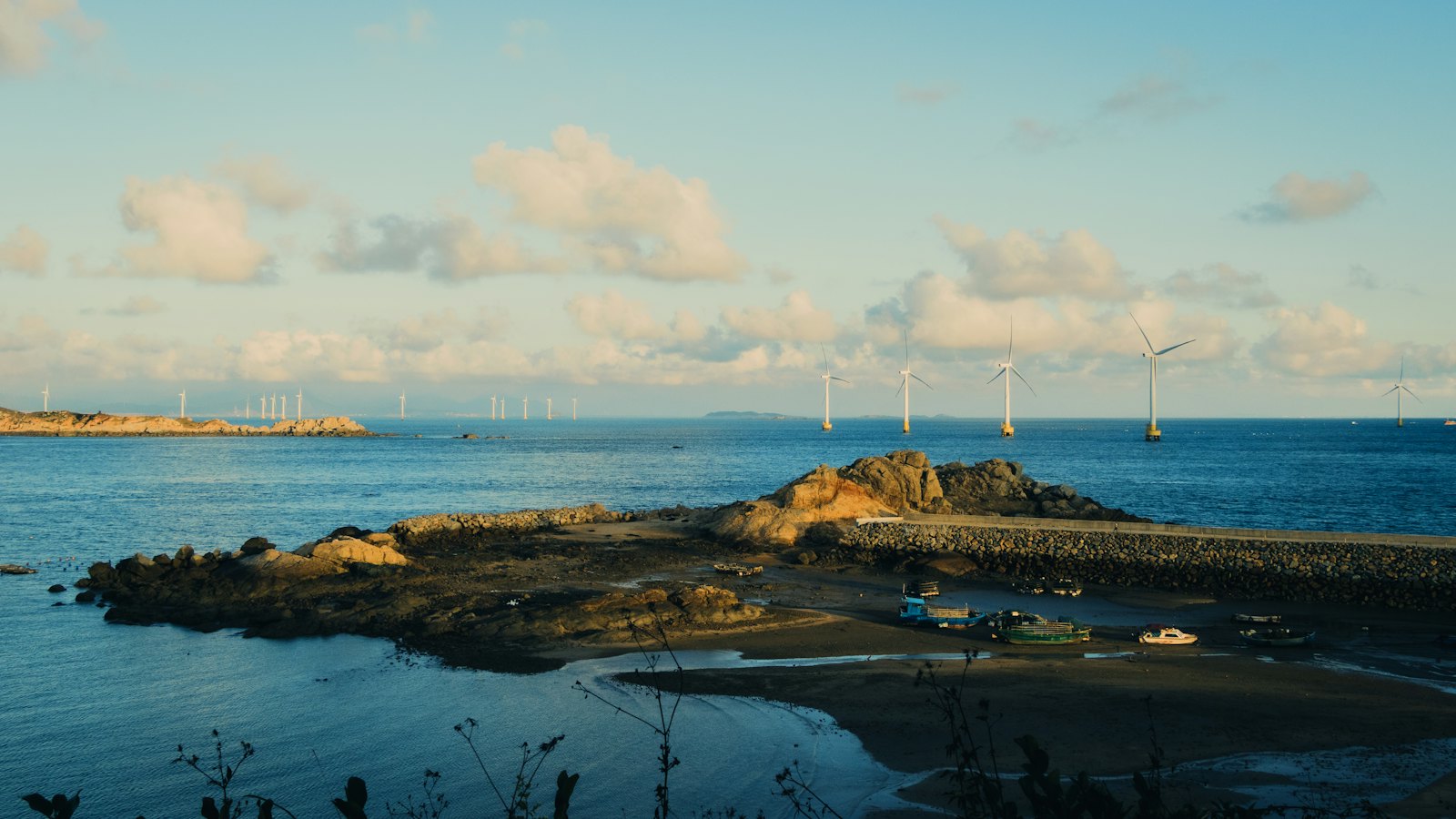
The question is not limited to the UK. Denmark’s earliest offshore sites, including Middelgrunden off Copenhagen (2000) and Nysted in the Baltic (2003), are among the oldest in Europe, and Germany’s first Baltic projects followed a decade later. Owners across the region will face the same choice between life extension, repowering and removal – and, as Xodus notes, offshore sites and their grid connections may retain significant value beyond the original turbines’ design life.