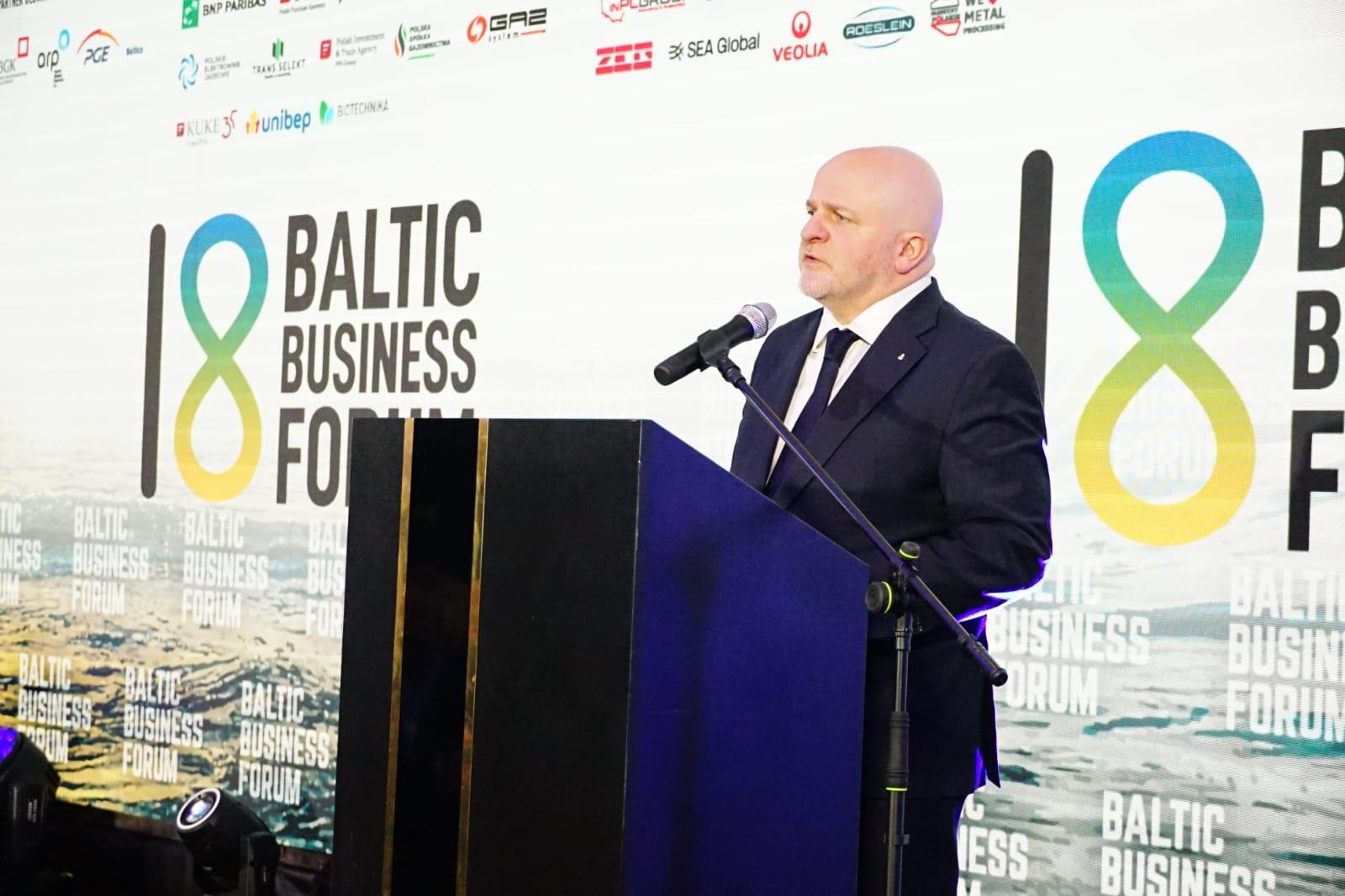
The 18th Baltic Business Forum in Świnoujście brought together senior policymakers, energy experts and business leaders from across the Baltic Sea region for discussions on energy security, Polish-Ukrainian cooperation and the future of the regional economy. Offshore wind, Poland’s strategic role as an energy hub and the upcoming Ukraine Recovery Conference 2026 in Gdańsk all featured prominently on the agenda.
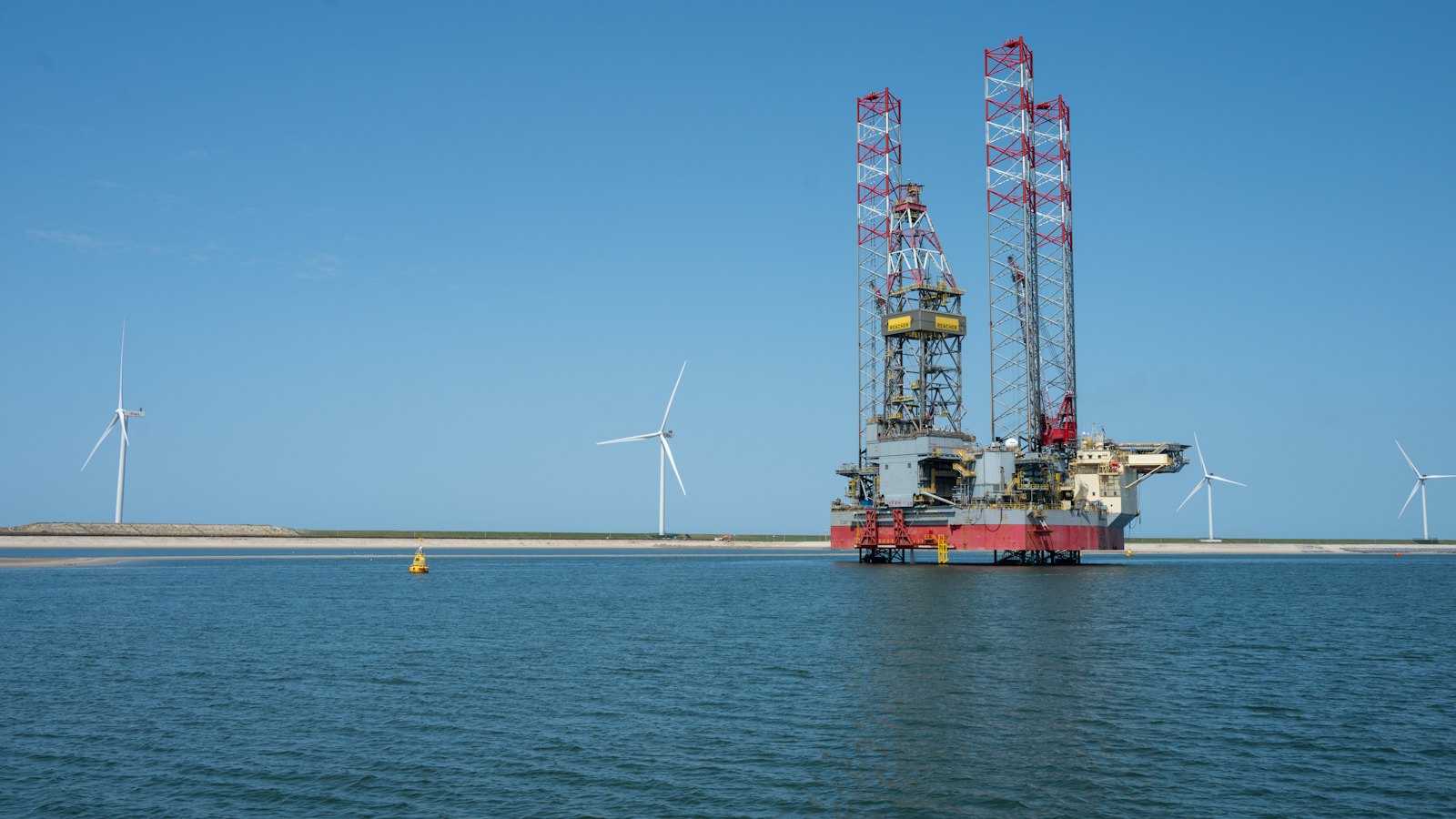
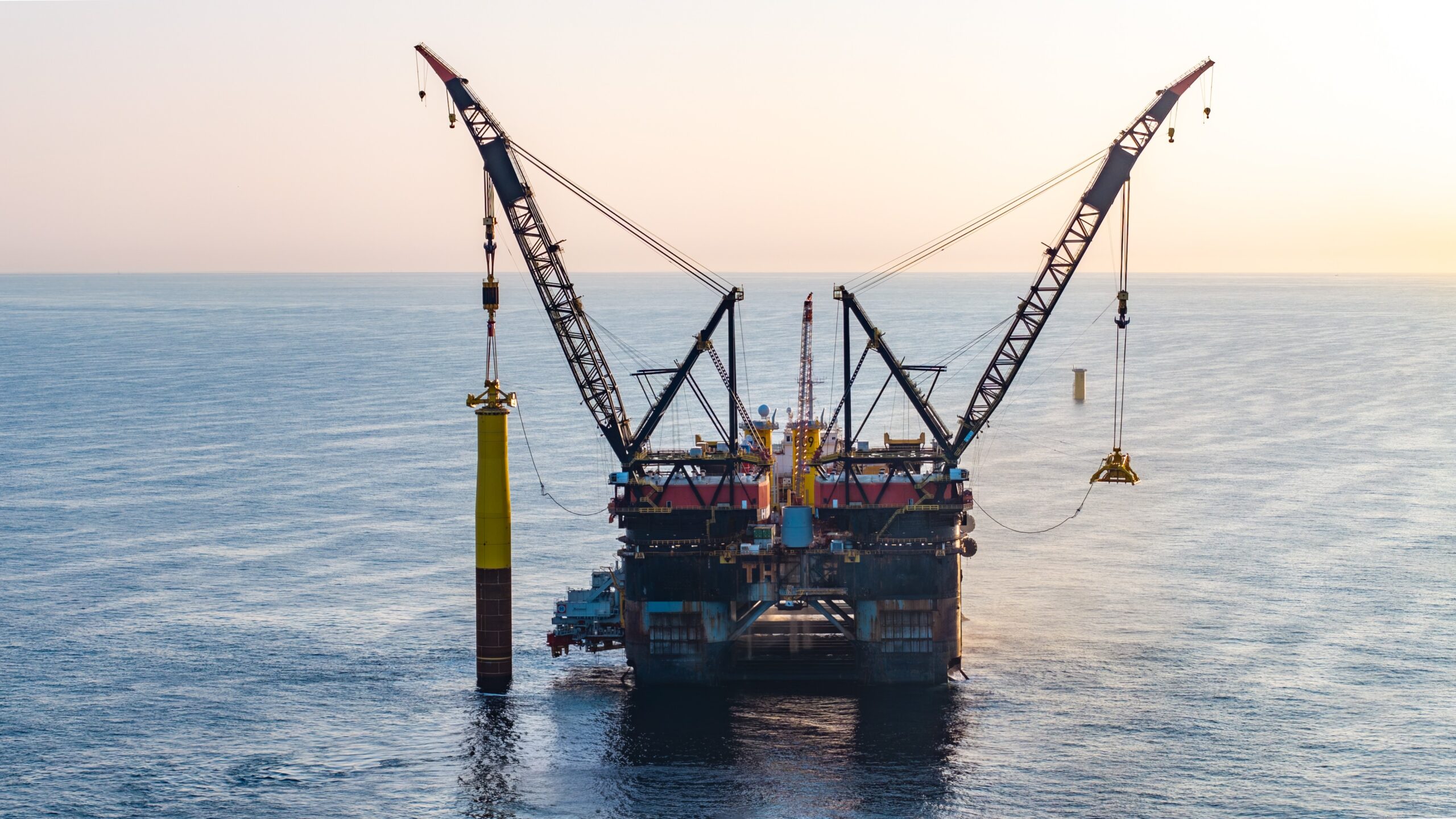
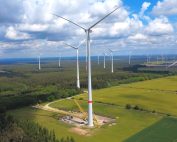
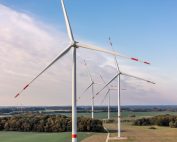
Świnoujście was not chosen by chance. The port city is home to both an LNG terminal and an offshore wind turbine installation terminal, making it a focal point for Poland’s energy infrastructure ambitions. West Pomerania already produces more than 120 per cent of its energy needs from renewable sources — more than four times the national average of 28.5 per cent.
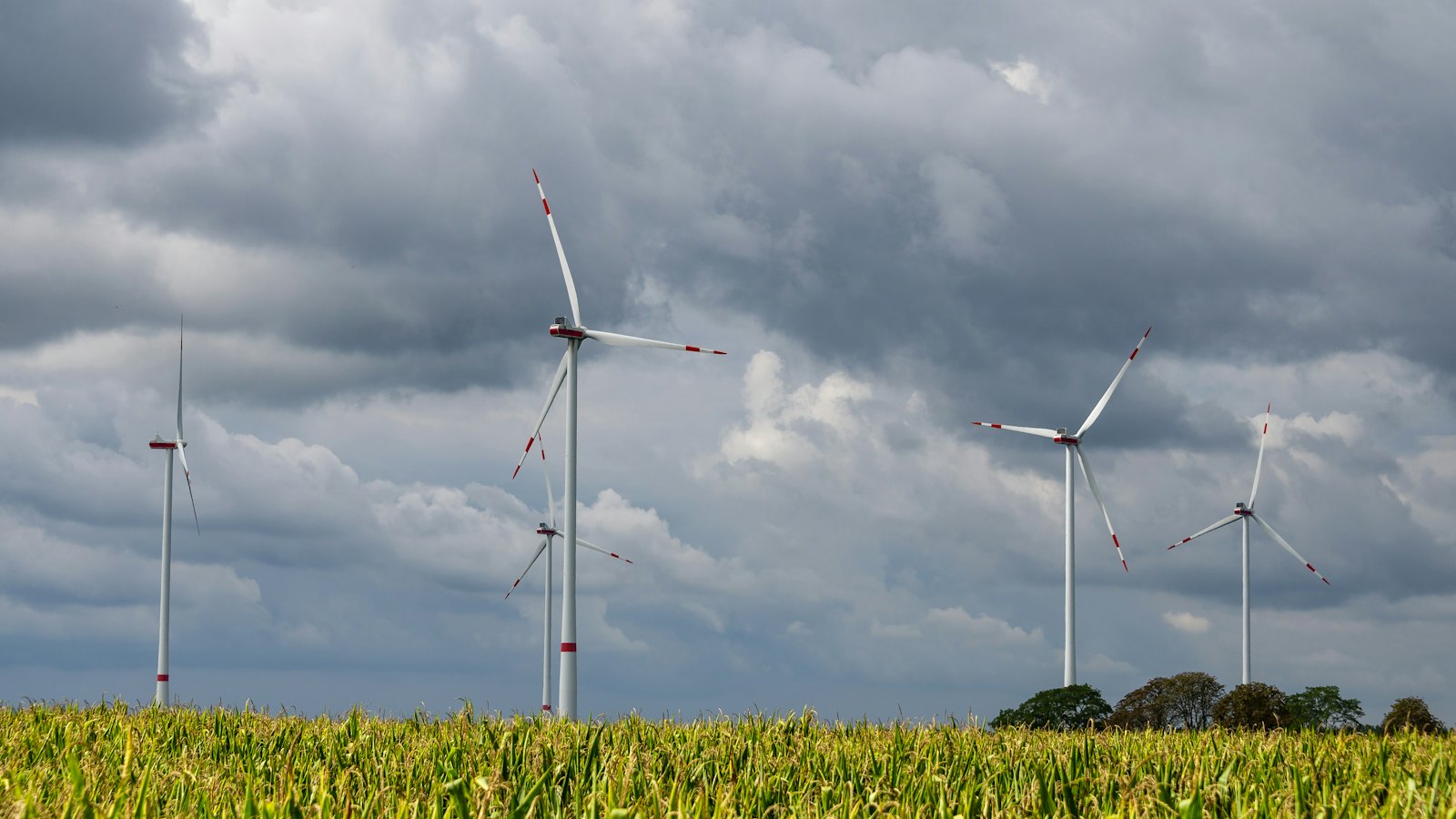
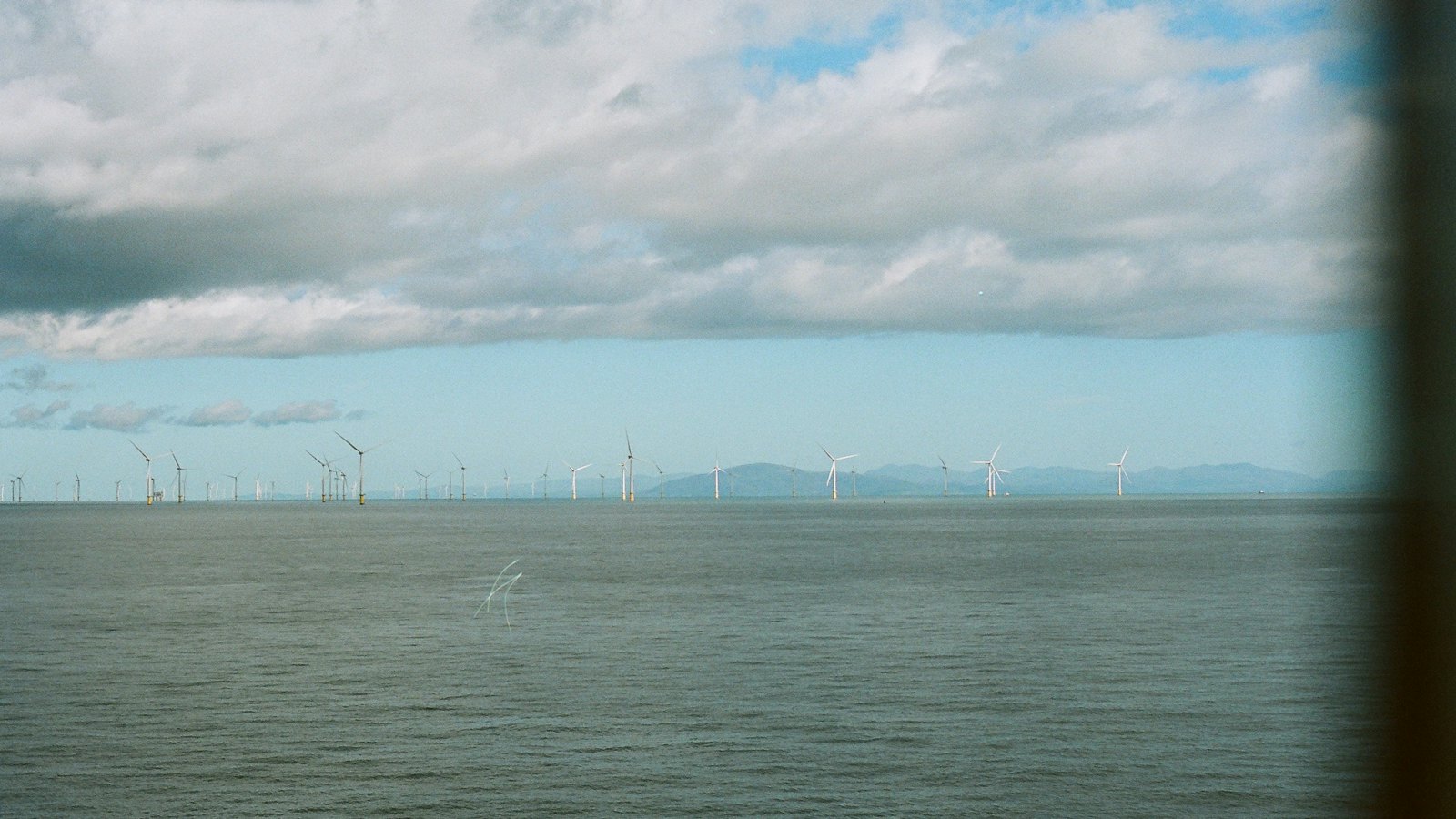
Offshore wind dominated the technical sessions. Former Prime Minister and European Parliament President Jerzy Buzek noted that Poland is targeting 18 to 20 GW of offshore wind capacity by 2040. Paweł Kowal, chair of the Council for Cooperation with Ukraine, also took part in the forum’s deliberations on the region’s energy and security agenda. “Offshore is the best source of renewable energy because it is the most stable, especially in the Baltic,” Buzek said.
The forum placed particular emphasis on Polish-Ukrainian energy relations. Poland already exports electricity and natural gas to Ukraine and is positioned as a strategic energy hub for the country. Dariusz Szymczycha of the Polish-Ukrainian Chamber of Commerce underlined Poland’s capacity to build safer, decentralised renewable energy infrastructure in Ukraine.
Deputy Minister of State Assets Eliza Zeidler, who is coordinating Poland’s preparations for the Ukraine Recovery Conference 2026, attended the forum and outlined the scale of the June event in Gdańsk. URC 2026 is set to be significantly larger than its predecessor in Rome, with exhibitors split roughly equally between Poland, Ukraine and the rest of the world. Deputy Minister Zeidler stressed that Poland’s initiative was to include a dedicated defence and security strand in the URC programme — reflecting the view that sustainable reconstruction requires security as its foundation. The choice of Gdańsk carries strong symbolism: the city is proof that reconstruction is possible, having rebuilt not only its architecture but the society from which the Solidarity movement emerged.
Participants agreed that Europe’s long-term energy security will rest increasingly on renewable foundations, with Poland playing a pivotal role both in Baltic offshore wind development and in supporting Ukraine’s energy resilience.