The European Commission has announced Norway’s inclusion as a new member of the EU Strategy for the Baltic Sea Region (EUSBSR), bringing the total membership to nine countries. Norway joins Sweden, Denmark, Estonia, Finland, Germany, Latvia, Lithuania and Poland in the cooperation framework, which aims to address shared challenges and build a greener, more competitive, and more resilient Baltic Sea Region.
Norwegian Minister of Foreign Affairs Espen Barth Eide said membership opens new channels for cooperation: “It gives us new opportunities to take part in work on important areas such as maritime cooperation, surveillance and security, and helps to strengthen cohesion and resilience in our neighbouring areas.”
Norway brings more than 28 years of experience in Interreg cooperation in the Baltic Sea Region. Minister of Local Government and Regional Development Bjørnar Selnes Skjæran said membership will deepen that relationship: “I believe membership in the Strategy will strengthen cooperation on regional development and help build more resilient regions from north to south.”
Norwegian public and private sector actors, companies and research communities will be invited to participate in cooperation projects covering maritime safety, energy, transport, health, innovation, spatial planning, and crisis preparedness. Norway already participates in parts of the Strategy, and the scope of cooperation will now be expanded.
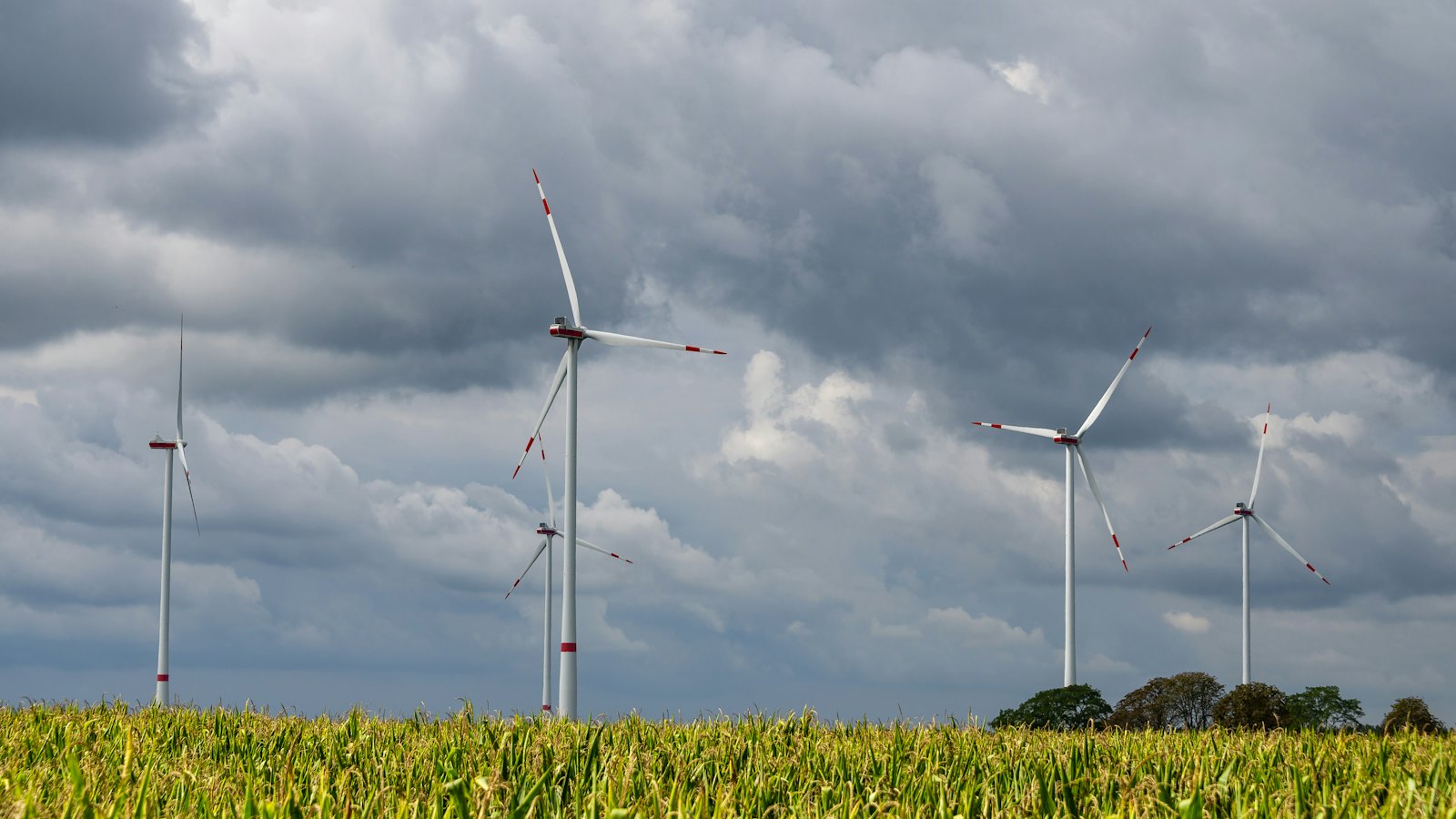
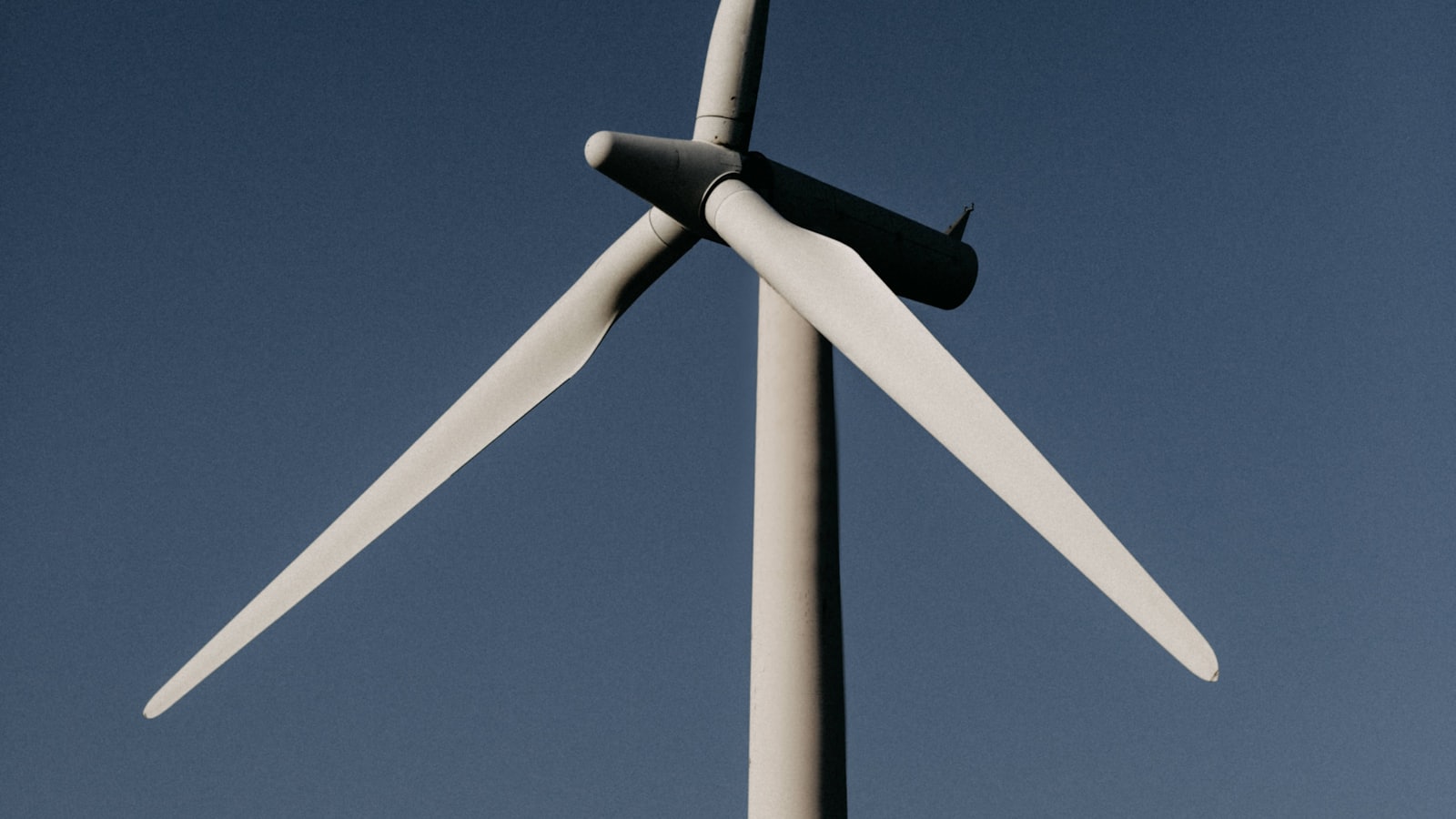
For the offshore wind sector, Norway’s formal entry into the EUSBSR is a notable step. Norway is a major player in offshore wind technology, supply chains, and marine operations. Closer integration into Baltic Sea governance could open new pathways for cross-border project development and regulatory alignment relevant to Baltic offshore wind.