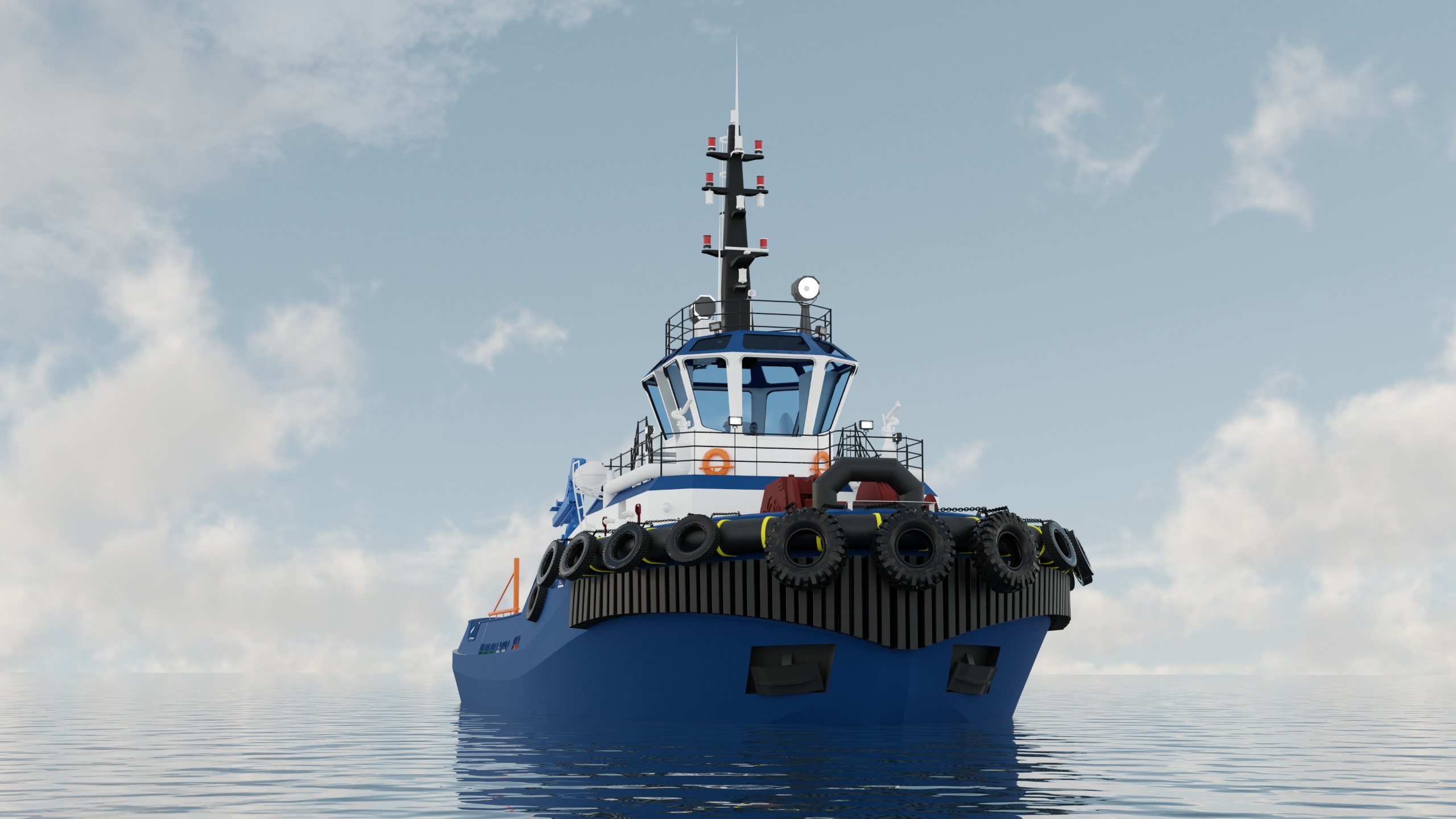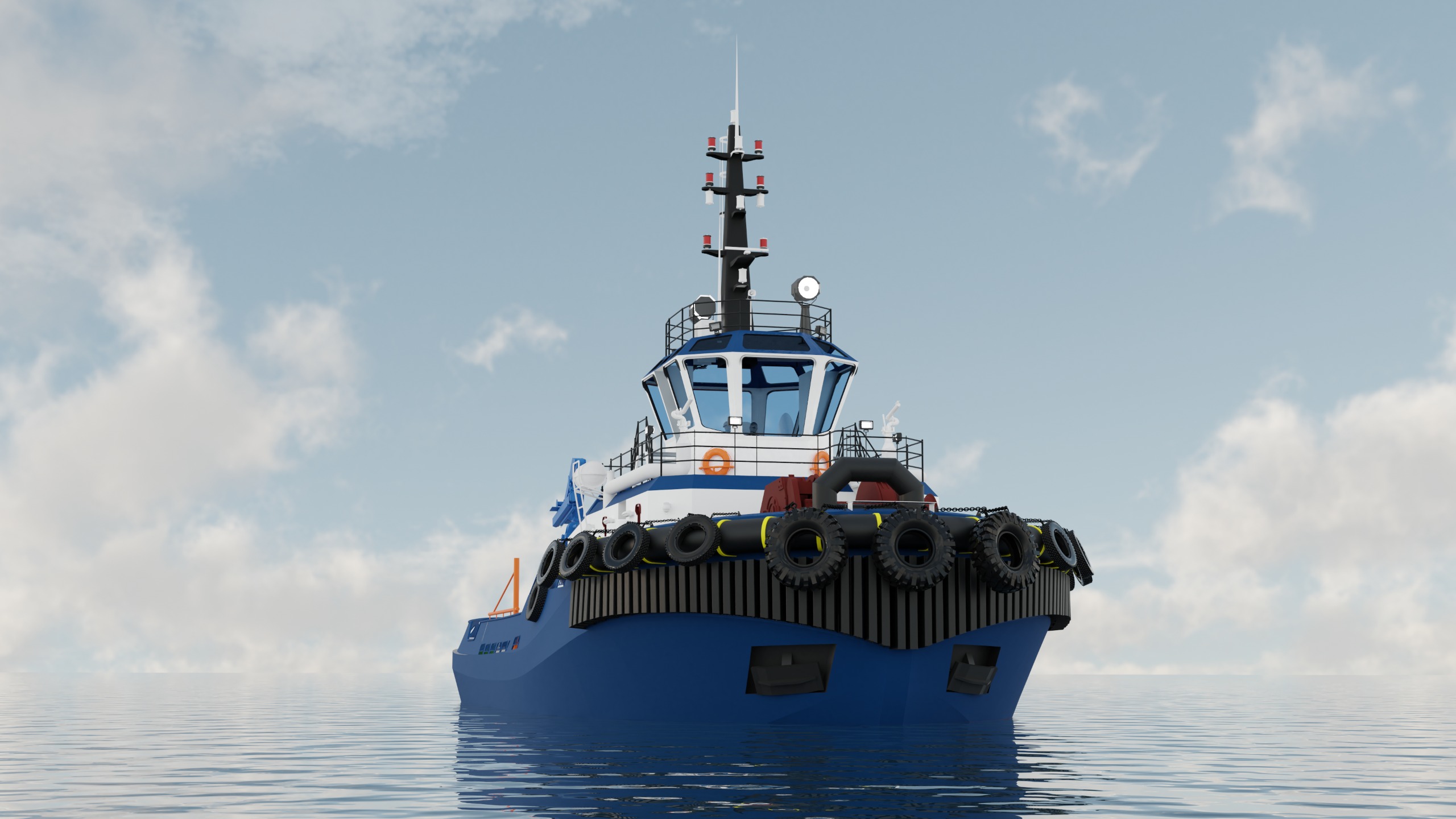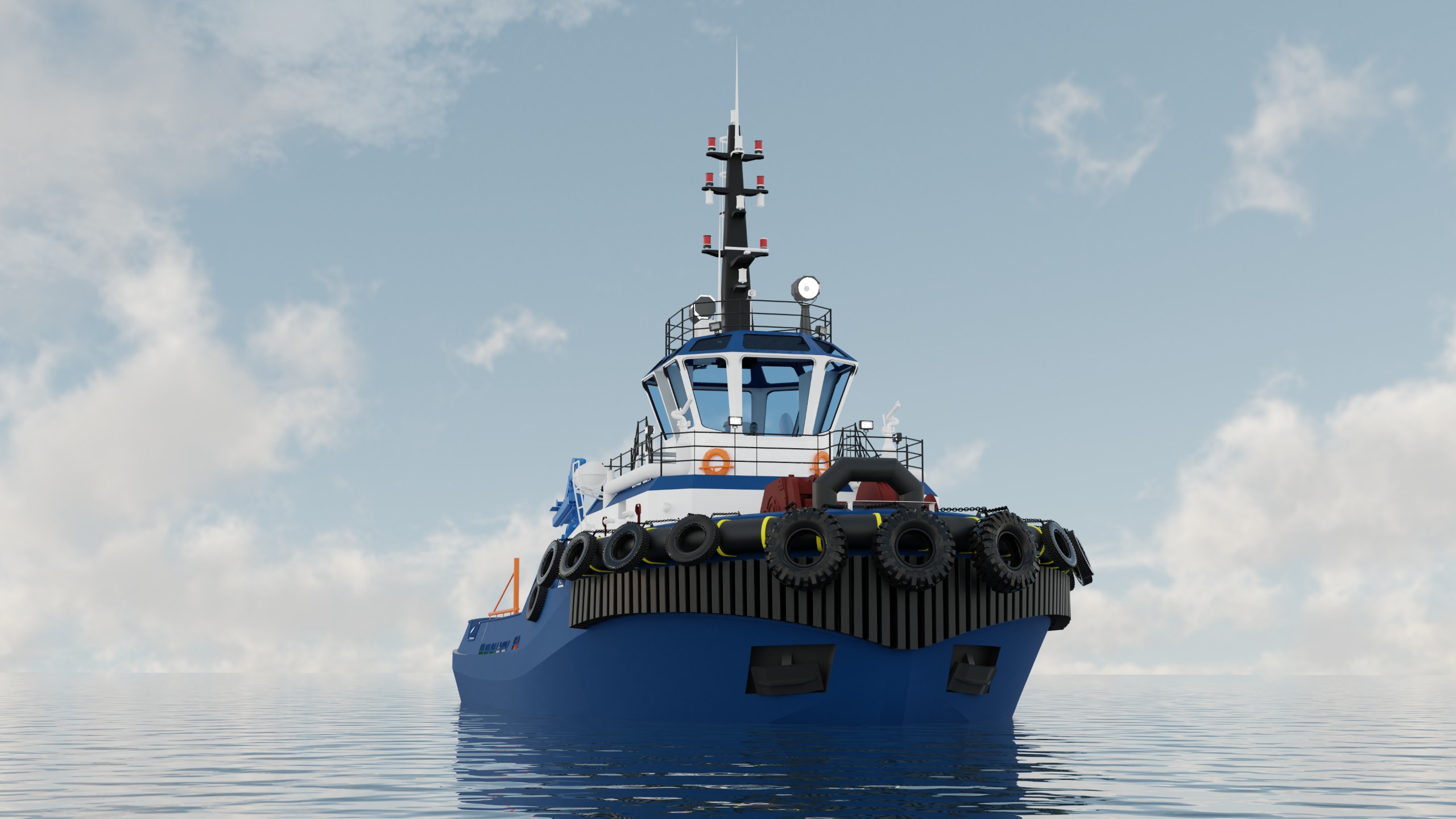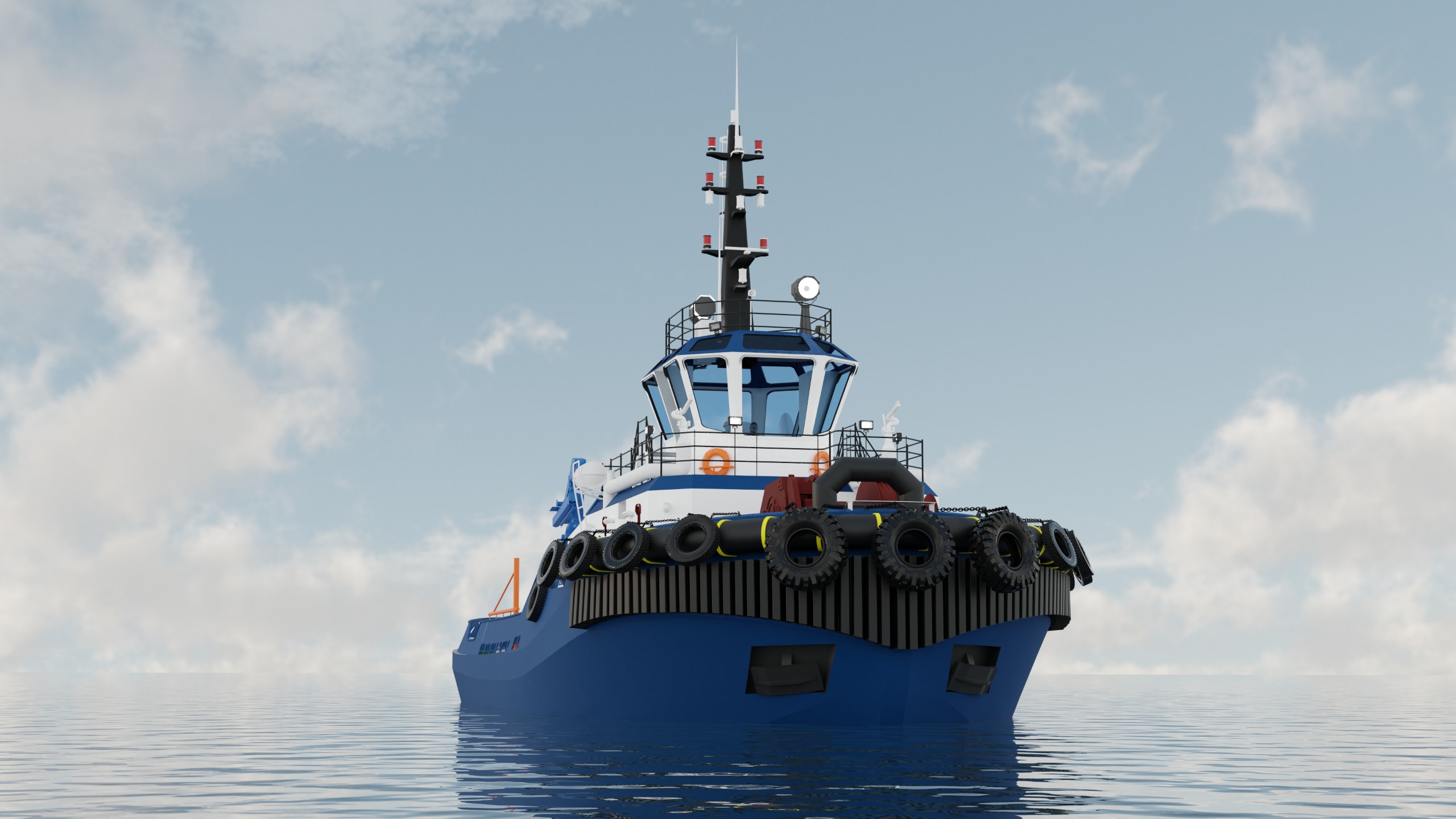
ABB has secured a contract with Cochin Shipyard to supply power and propulsion systems for two battery-electric harbour tugs that will operate at Jawaharlal Nehru Port Authority (JNPA), India’s largest container port. The vessels are due for delivery to Polestar Maritime in 2027 as part of the first phase of India’s Green Tug Transition Programme (GTTP), a government initiative to replace diesel harbour tugs with electric alternatives across the country’s major ports in five phases running from 2024 to 2040.
ABB’s scope covers electrical, propulsion, automation and digitalisation systems. At the core is the company’s Onboard DC Grid™ platform combined with PEMS™ — the power and energy management system — which enables the tugs to optimise onboard battery use across widely varying power demands, a fundamental challenge for harbour tugs that can swing between intensive manoeuvring and standby modes in rapid succession. The modular Onboard DC Grid™ also facilitates integration of energy storage systems and extends operating range per battery charge. Remote monitoring and troubleshooting will be handled by ABB Ability™ Remote Diagnostic System for Marine.
“Integrating electric propulsion and advanced automation into harbour tugs is a complex engineering undertaking, and selecting the right technology partner was critical,” said Shri Jose VJ, Chairman and Managing Director of Cochin Shipyard. “We are building these vessels to last, to perform, and to demonstrate that Indian shipyards are ready to lead the industry’s green transition.”
Rune Braastad, President of ABB’s Marine & Ports division, described the contract as a reflection of the trust India’s maritime sector has placed in ABB’s technology, citing the company’s track record of over 75 years in the Indian market. ABB has previously supplied power and propulsion systems for hydrogen-fuelled container vessels for Samskip Group, and delivered fully electric vessel technology to operators in Singapore, South Korea and Japan.
Port electrification is accelerating globally, and harbour tugs — often the last vessels at major ports to be decarbonised — are increasingly in focus. For Baltic-region ports including Gdańsk, Hamburg and Helsinki, commercial deployments such as this one in India provide useful reference cases as they pursue zero-emission port operations targets in line with EU regulations.