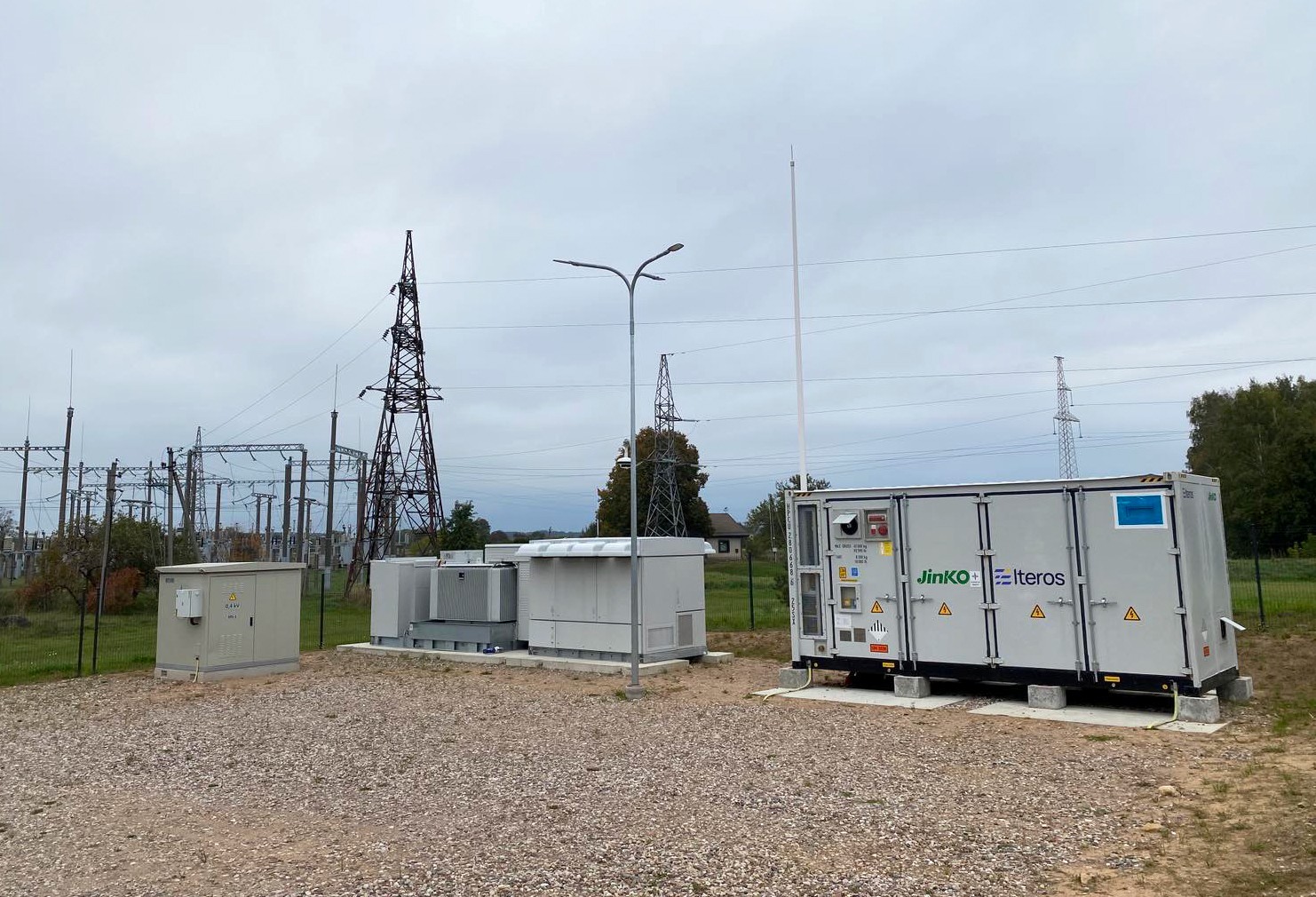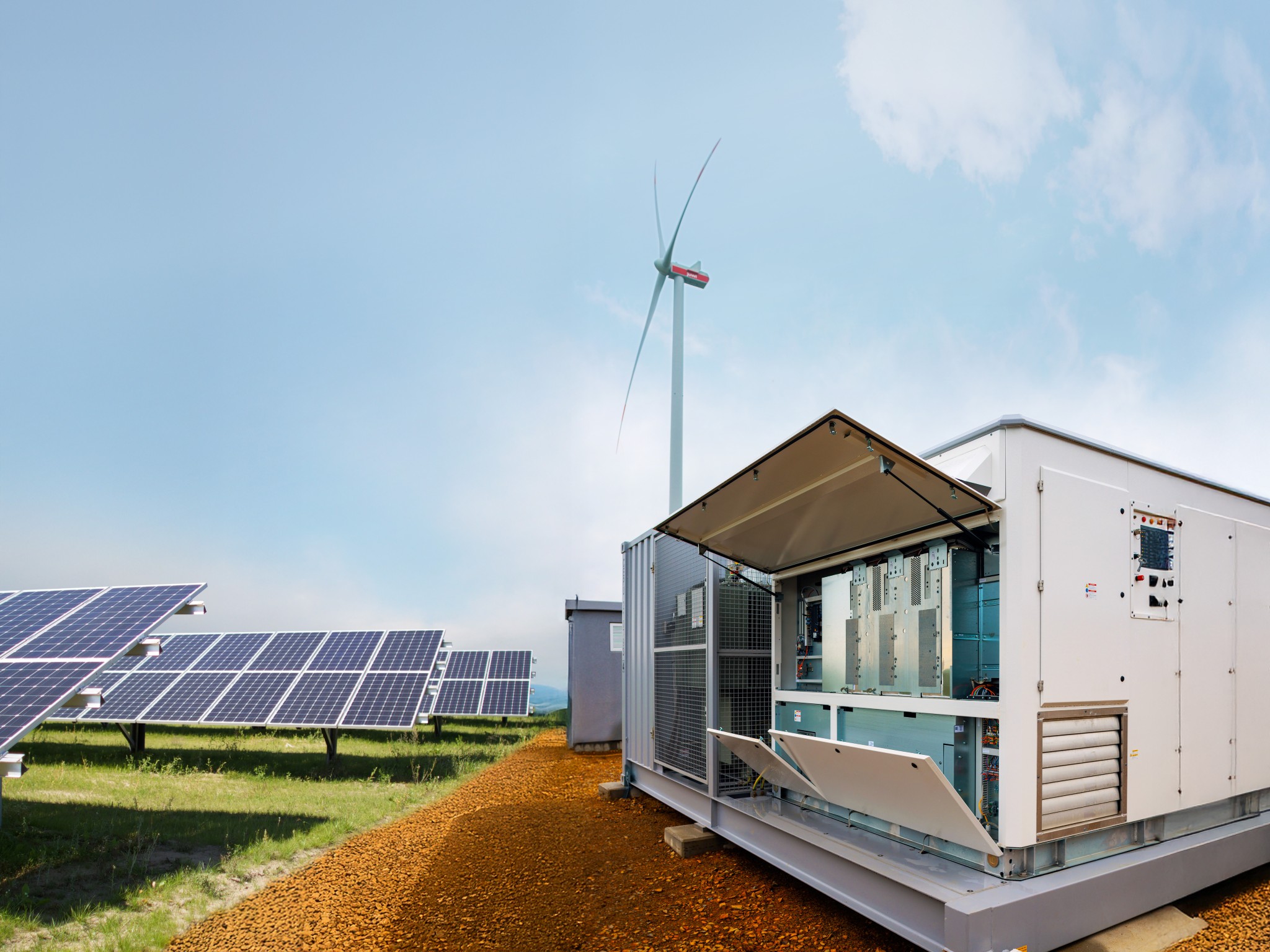
County administrations across Sweden approved 130 large-scale battery parks with a combined installed capacity of over 5 gigawatts between 2021 and 2025, according to a new report published by Green Power Sweden. The cumulative capacity is more than three times the total electricity demand of Stockholm.
The approved projects represent a combined storage capacity of nearly 10 gigawatt-hours (GWh). Assuming a charge-discharge cycle of 1.5 times per day, the parks could collectively deliver around 5 terawatt-hours of electricity annually — equivalent to the household electricity consumption of one million Swedish detached homes. The figures cover all projects that underwent environmental consultation or permit applications under Sweden’s Environmental Code, and include battery installations connected to solar and wind facilities.
“Battery storage is the energy system’s Swiss Army knife — contributing to stability, predictability and lower costs,” said Nils Grunditz, CEO of Green Power Sweden. “The rapid expansion supports electrification and allows more energy from solar and wind to be captured.” Lars Andersson, head of energy systems and storage at the association, added that batteries are already providing significant value but that their potential to contribute more is growing, and that political decisions facilitating grid connection and setting storage capacity targets are now needed.
The report includes five policy recommendations: establishing a national battery storage strategy; creating fit-for-purpose regulations for energy storage; abolishing double taxation and double charging; facilitating grid connection and operation; and introducing standardised safety classifications to strengthen emergency preparedness. Green Power Sweden has called on the government to act promptly on all five fronts.