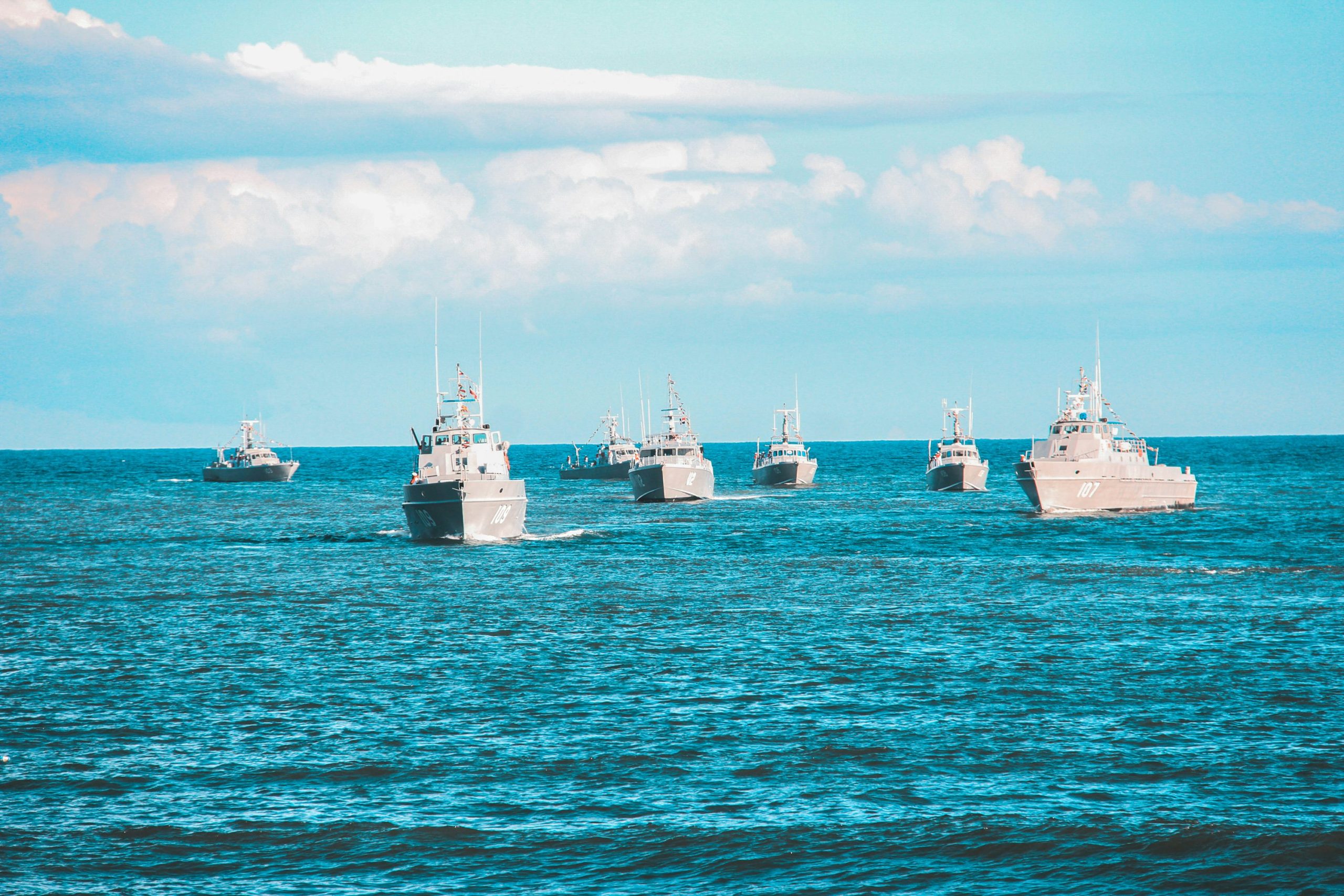
The 55th edition of BALTOPS, NATO’s largest maritime exercise in the Baltic Sea, began on 4 June as 20 Allied ships left the Port of Gdynia for two weeks of multinational training across the region. For the first time since the exercise was first held in 1972, it is being conducted under a NATO command-and-control structure, led by Allied Joint Force Command Brunssum.
Around 6,000 personnel from 15 Allied nations are taking part. The training covers amphibious operations, air defence, anti-submarine warfare, mine countermeasures, crisis response and the experimental use of unmanned systems.
The shift to a NATO command structure was highlighted at the BALTOPS Pre-Sail Conference in Gdynia on 3 June. Speakers included Lt. Gen. John Mead, Deputy Commander of JFC Brunssum; Rear Adm. Jaroslaw Ziemianski, Inspector of the Polish Navy; Rear Adm. Jason Naidyhorski, Vice Commander of the U.S. Sixth Fleet; and Rear Adm. Stephan Haisch, Commander of CTF Baltic.
Lt. Gen. Mead said the exercise serves three purposes: deterring Russian threats in the Baltic Sea region, building readiness and interoperability, and strengthening Alliance cohesion. “Deterrence is not something we can simply talk about. We must demonstrate it,” he said.
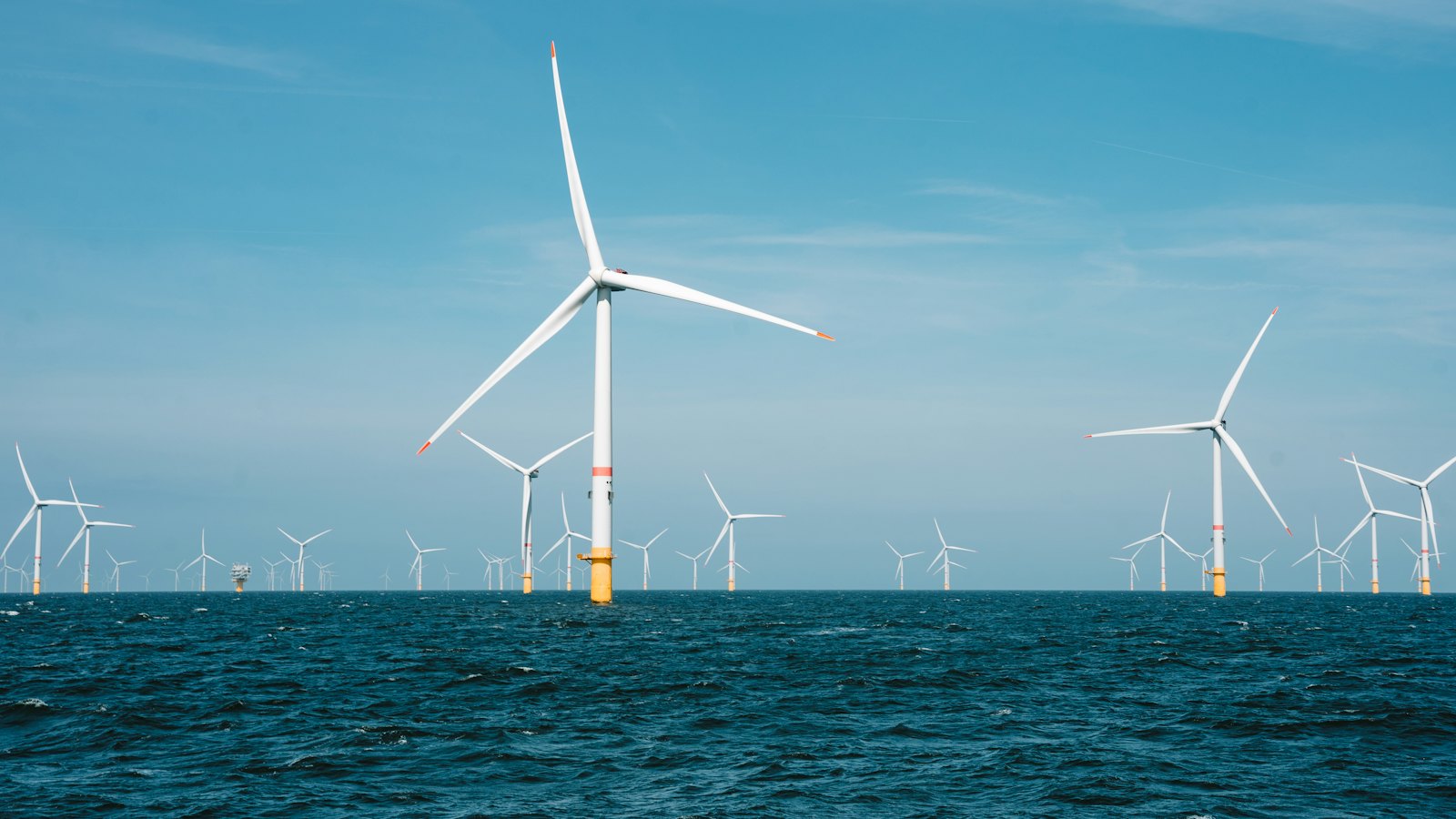
For the Baltic’s energy sector, the exercise carries direct relevance. NATO said BALTOPS 2026 reinforces the Alliance’s commitment to protecting critical undersea infrastructure, including power and data cables, and to safeguarding the sea lines of communication that underpin energy security across the region. Offshore wind farms and the cables that connect them have become a growing focus of Baltic security planning following a series of incidents involving subsea infrastructure.