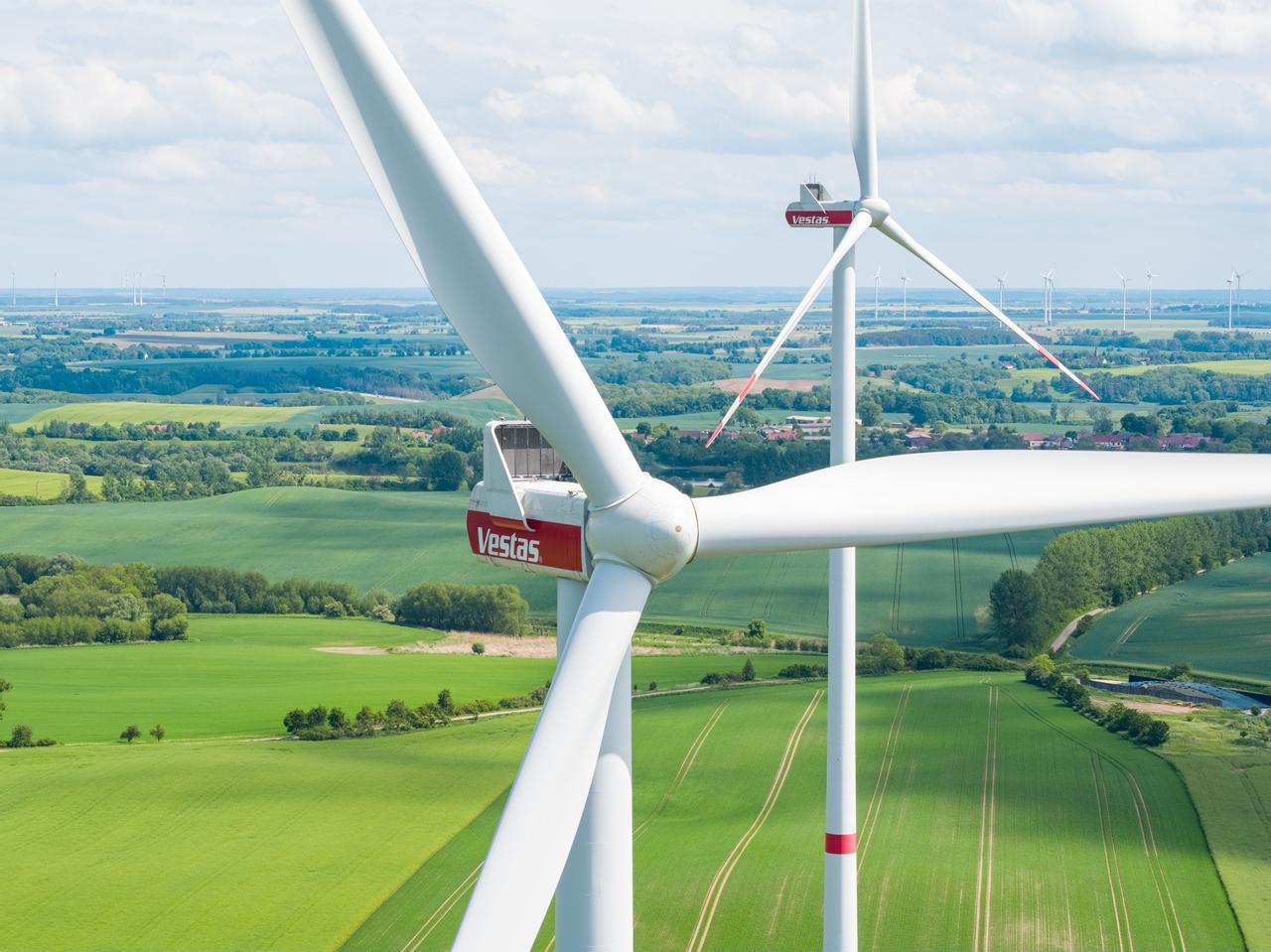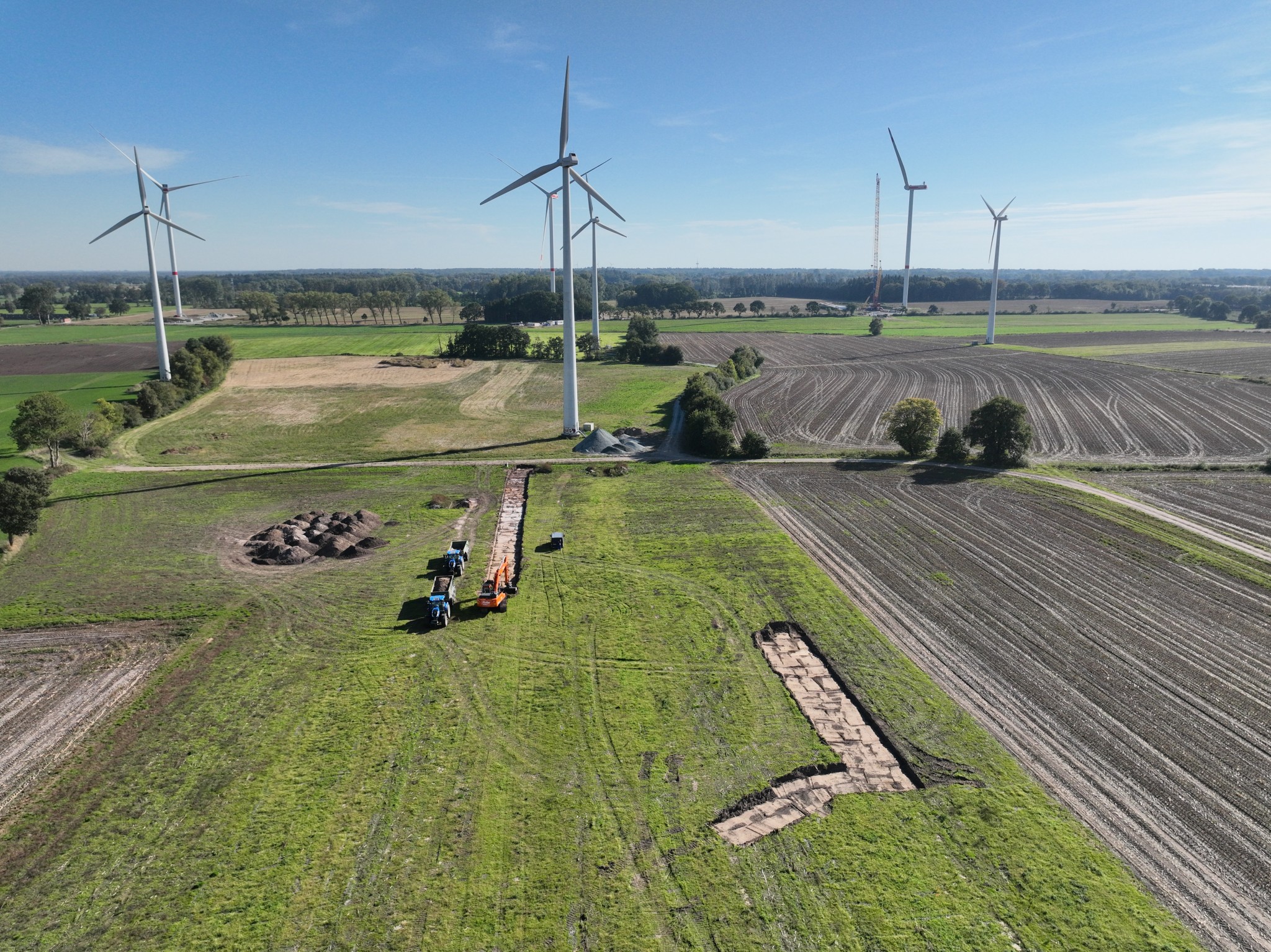
On Global Wind Day, marked on 15 June, the industry association WindEurope used this year’s “Our wind, our community” theme to press European policymakers to protect the participation models that channel wind revenues into local budgets. The sector pays €2.3 billion a year in local taxes across Europe, and in many rural areas wind is among the largest single contributors to municipal finances.
WindEurope pointed to projects where communities hold a direct stake. In Celado Fusión in rural Spain, a region that had been losing residents for decades, wind revenues funded a swimming pool, a paddle tennis court and a taxi service for elderly residents, and the town has started attracting new inhabitants. In Andilly-les-Marais in France — this year’s winner of the Fast and Fair Renewables Award — 380 residents invested €1.2 million to co-own a third of the local wind farm, which reinvests €62,000 a year into local education and infrastructure.
“Communities across Europe benefit from wind energy projects through community funds, shared ownership, infrastructure investments and renewed public spaces,” said WindEurope CEO Tinne Van der Straeten. “These participation models work. Let’s not overregulate them. There is no one-size-fits-all solution.” She argued that flexibility delivers better outcomes than rigid or complex rules.
The association’s warning is aimed at draft EU-level proposals it considers overly prescriptive and duplicative of national benefit-sharing frameworks. WindEurope says rigid rules could raise costs, undermine project viability and slow the build-out of wind capacity — at a moment when Europe is counting on homegrown wind to strengthen energy security and competitiveness.
The debate matters for the Baltic Sea region, where Poland, Lithuania and Estonia are expanding onshore wind and beginning to design their own benefit-sharing and community-ownership arrangements. How Brussels frames participation rules will shape whether those projects deliver local revenue the way established schemes in Spain and France already do.