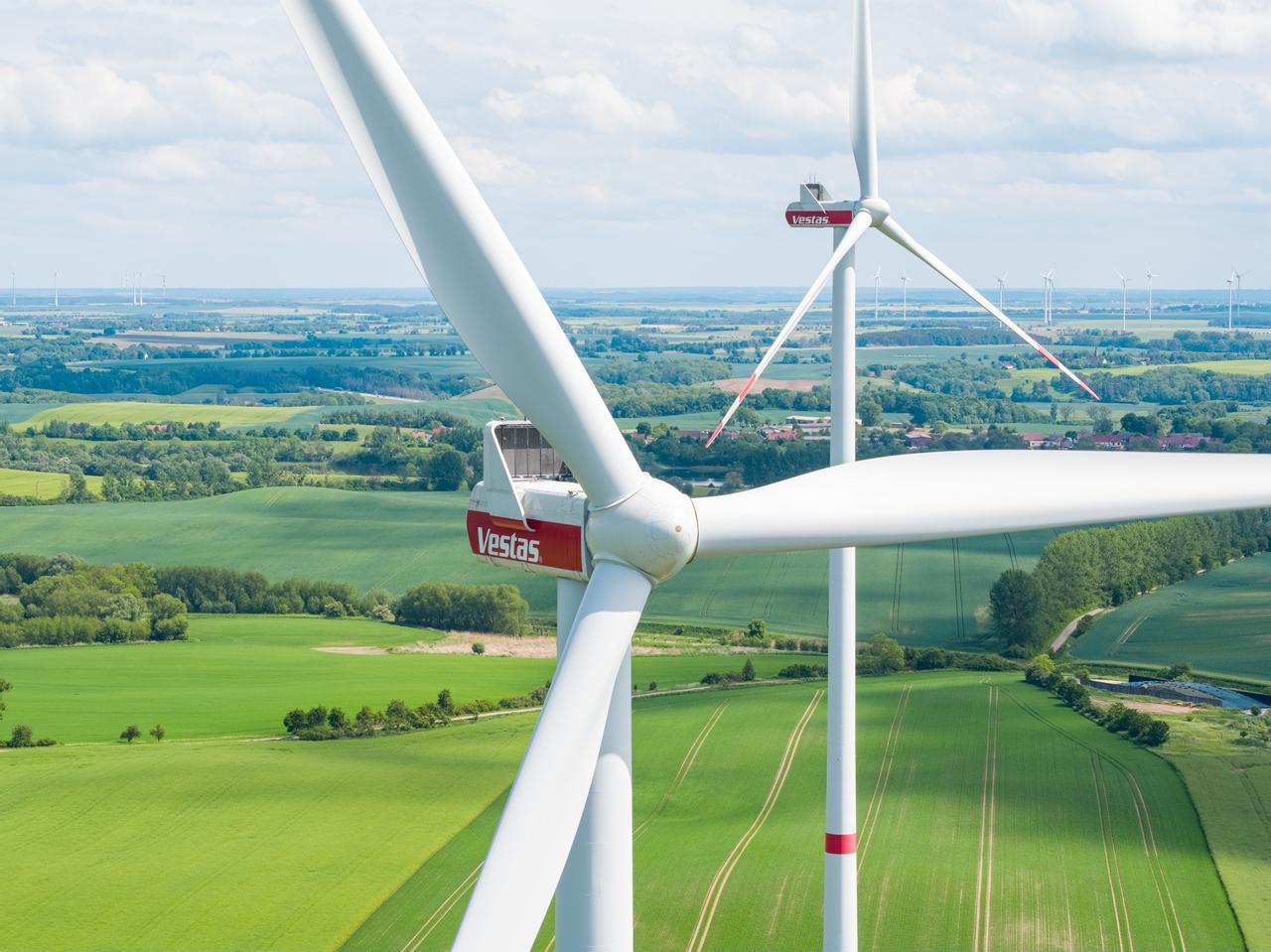
Planned changes to Germany’s renewables law (EEG) and grid package could stall the country’s wind expansion and trigger a downturn worse than the slump that began in 2017, the president of the German Wind Energy Association (BWE), Bärbel Heidebroek, warned in an interview with broadcaster ntv on 31 May 2026.
Heidebroek said permitting has improved sharply — the Fraunhofer ISE institute expects roughly three times as many turbines to be commissioned this year as last — but that auction volumes are now the bottleneck. With about 10 GW tendered this year against at least 20 GW already permitted, she said, around half of permitted projects will fail to secure an award regardless of price. “The federal government holds the key,” she said.
She criticised the economy ministry’s draft contracts-for-difference design, under which the proposed lower and upper price bounds are identical. That, she argued, removes any incentive for developers to bid lower and any room to earn additional revenue on the market; a corridor between the bounds would let operators earn more while lowering costs for the public through cheaper bids. Instead of curtailing generation, she said, Germany should co-locate storage, data centres and electrolysers with wind farms.
Heidebroek said dialogue with economy minister Katherina Reiche has been minimal and warned of job losses if the drafts pass unchanged. She noted that Bavaria, Baden-Württemberg, Lower Saxony and Schleswig-Holstein are pushing in the Bundesrat for a special 5 GW onshore wind auction, and that Germany is on course to import an estimated €99 billion of fossil fuels this year.