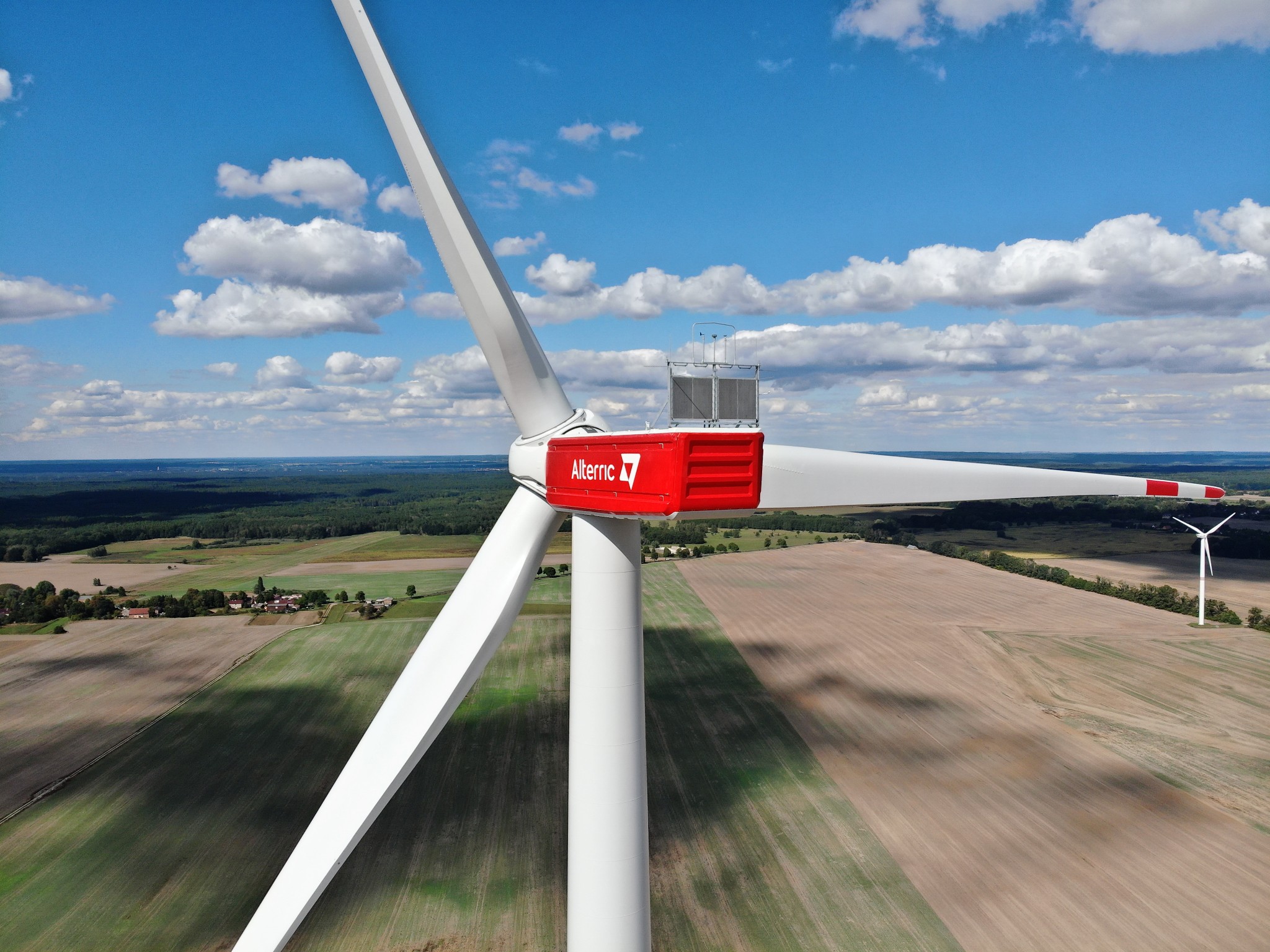
Germany’s federal cabinet has approved the 2027 amendment to the Renewable Energy Sources Act (EEG) and the accompanying grid-connection package (Netzanschlusspaket). Energy park operator Alterric has responded with a position paper warning that the measures, in their current form, risk becoming a serious brake on the renewables build-out.
“Both projects, as drafted, drive up the cost of electricity generation and lastingly weaken the competitiveness of our industry,” said Alterric chief executive Dr Frank May, criticising a three-day consultation window for two far-reaching laws and calling on the Bundestag to make substantial revisions. The company took particular aim at the grid-connection package’s provisions on “capacity-limited areas”, where developers could face curtailment without compensation. The government softened the leaked drafts — cutting the designation period from ten to six years, raising the trigger threshold from three to five per cent, and capping the compensation-free volume at 18 to 20 per cent of annual generation — but Alterric argues the values still go far beyond the emergency-instrument role the measure is meant to play, and wants a mandatory prior review by the federal network agency.
Alterric welcomed some elements: the 12 GW increase in onshore wind auction volumes, easier rules for co-location projects, and a regionally differentiated reference-yield model. But it criticised the shift to two-sided contracts for difference (CfDs) without a market-value corridor, the absence of legal backing for private power purchase agreements, and a planned cap on land-lease payments at 3.5 per cent of turbine revenues, which it called market-distorting.
The reaction matters well beyond one company. Germany is the largest wind market around the Baltic Sea, and the EEG 2027 framework will shape onshore investment decisions across the region’s biggest economy — including the pace at which developers commit to new and repowered projects over the next several years.