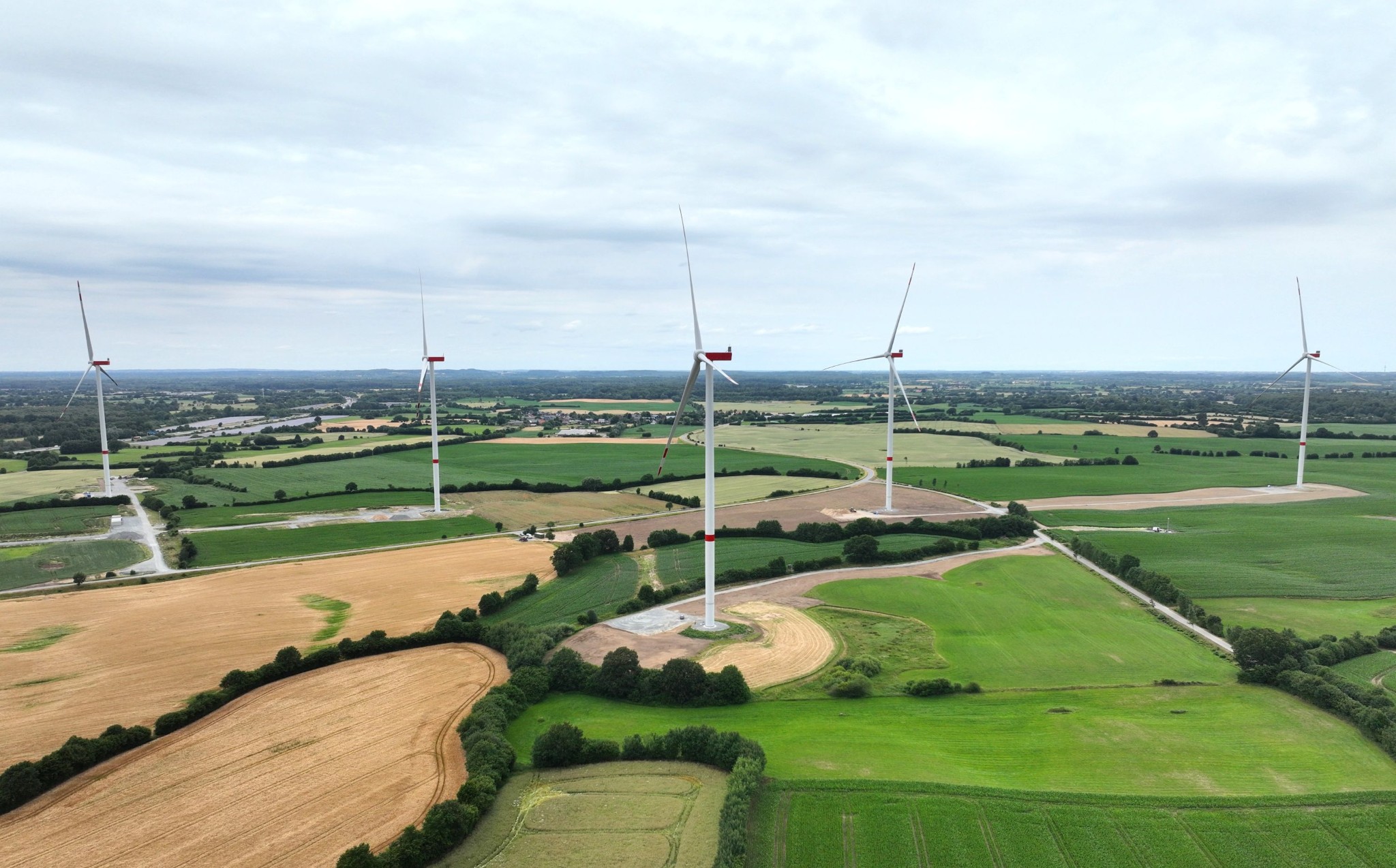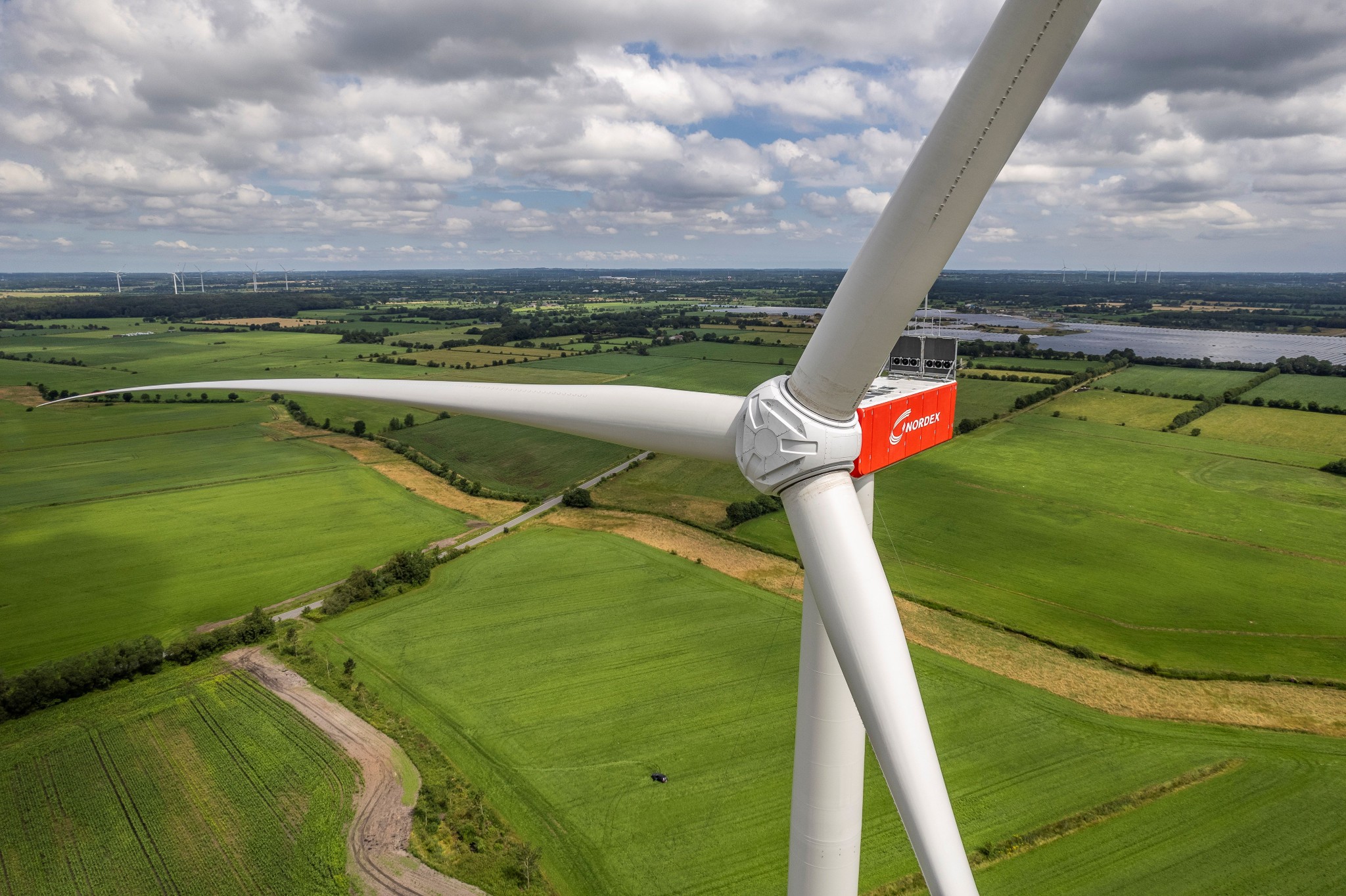
Germany’s onshore wind auctions have settled into a clear pattern this year: far more projects want in than there is capacity to award. The Federal Network Agency’s February round drew 924 bids for 7,858 MW against an available volume of 3,445 MW — more than twice oversubscribed. After years of painful undersubscription, the bottleneck has flipped from permits to auction ceilings, and the competition is reshaping who builds where.
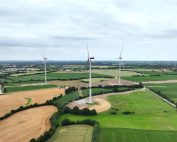
Qualitas Energy is one of the clearest winners of the cycle. The Madrid- and Berlin-based platform took 126 MW across three projects and 18 turbines in Lower Saxony, North Rhine-Westphalia and Baden-Württemberg — enough, once built, to supply around 84,000 households. Notably, it secured a regionally balanced portfolio despite the usual dominance of high-wind northern sites. The company now holds more than 100 wind projects and a 3 GW late-stage pipeline in Germany, and has set out plans to invest more than 10 billion euros in renewables through 2029, anchored by its 3.25-billion-euro Fund VI.
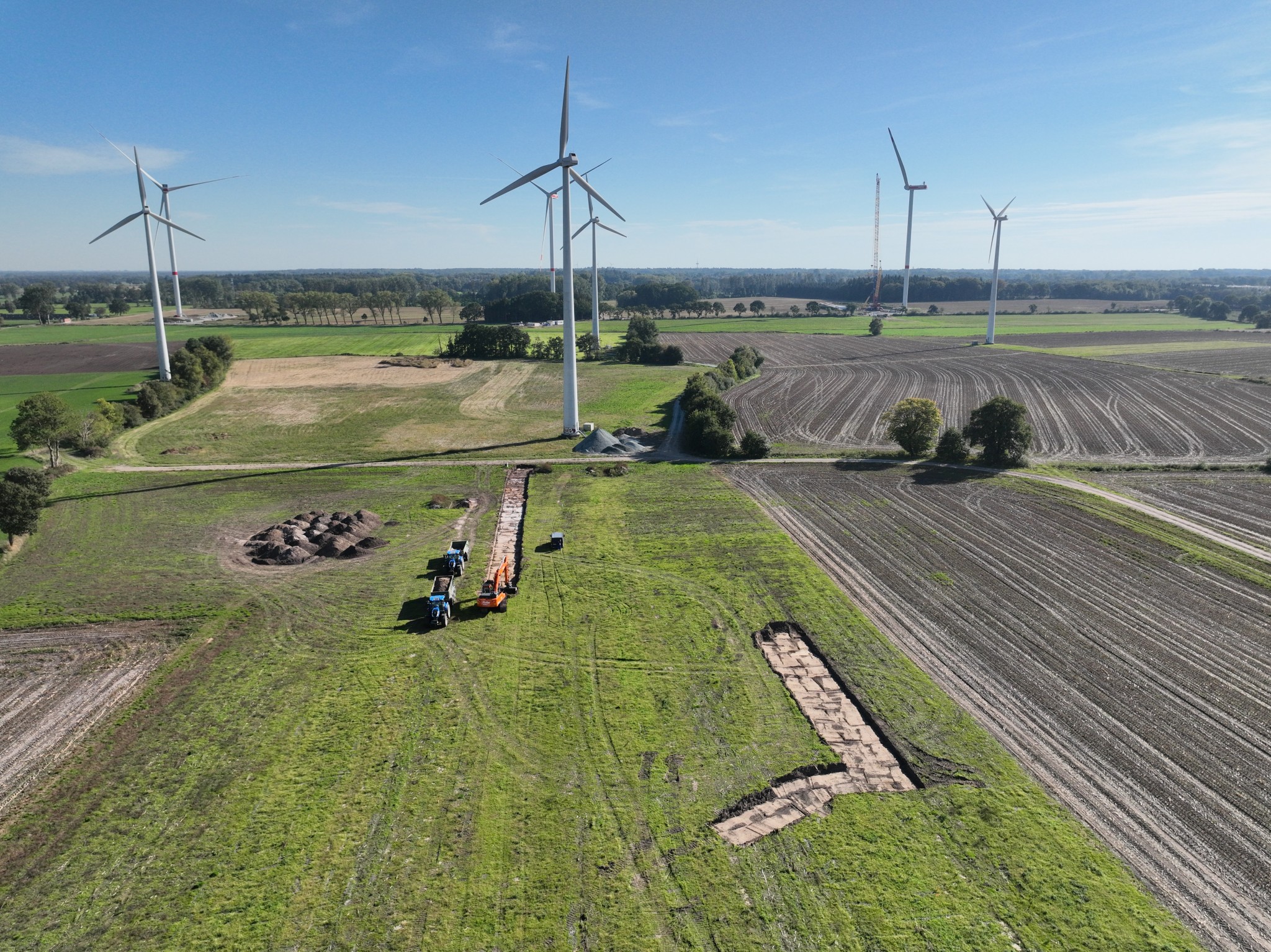
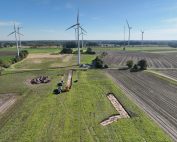
The secondary market is just as active as the auctions. Developer UKA sold its 80 MW Vietlübbe wind farm in Mecklenburg-Vorpommern — 14 latest-generation turbines that reached full operation in late 2025 — its third divestment of the year after the Görzig and Niederasphe projects. Together those sales cover the equivalent of more than 100,000 households. UKA has 1.6 GW under construction and has opened a tender for six further ready-to-build projects totalling roughly 326 MW, a sign of how much investment-ready volume is now changing hands.
Not every headline is about growth. Alterric, one of Germany’s larger onshore independent power producers with more than 2,500 MW installed and an 11,000 MW pipeline, parted ways with its chief financial officer over strategic differences during its expansion — a reminder that scaling an IPP through this boom brings governance strains as well as opportunity.
For the Baltic, the read-across is twofold. Mecklenburg-Vorpommern, a Baltic coastal state, sits squarely in the German build-out, and several of the most active developers — Qualitas Energy among them — treat Poland as a core market alongside Germany. The contrast is instructive: Germany is now rationing heavily oversubscribed auctions, while Poland’s onshore sector is still working to loosen siting rules and unlock a pipeline of its own. The next German rounds will show whether Berlin lifts auction volumes to match the demand its permitting reforms have unleashed — and how much of that developer appetite spills eastward across the Baltic.