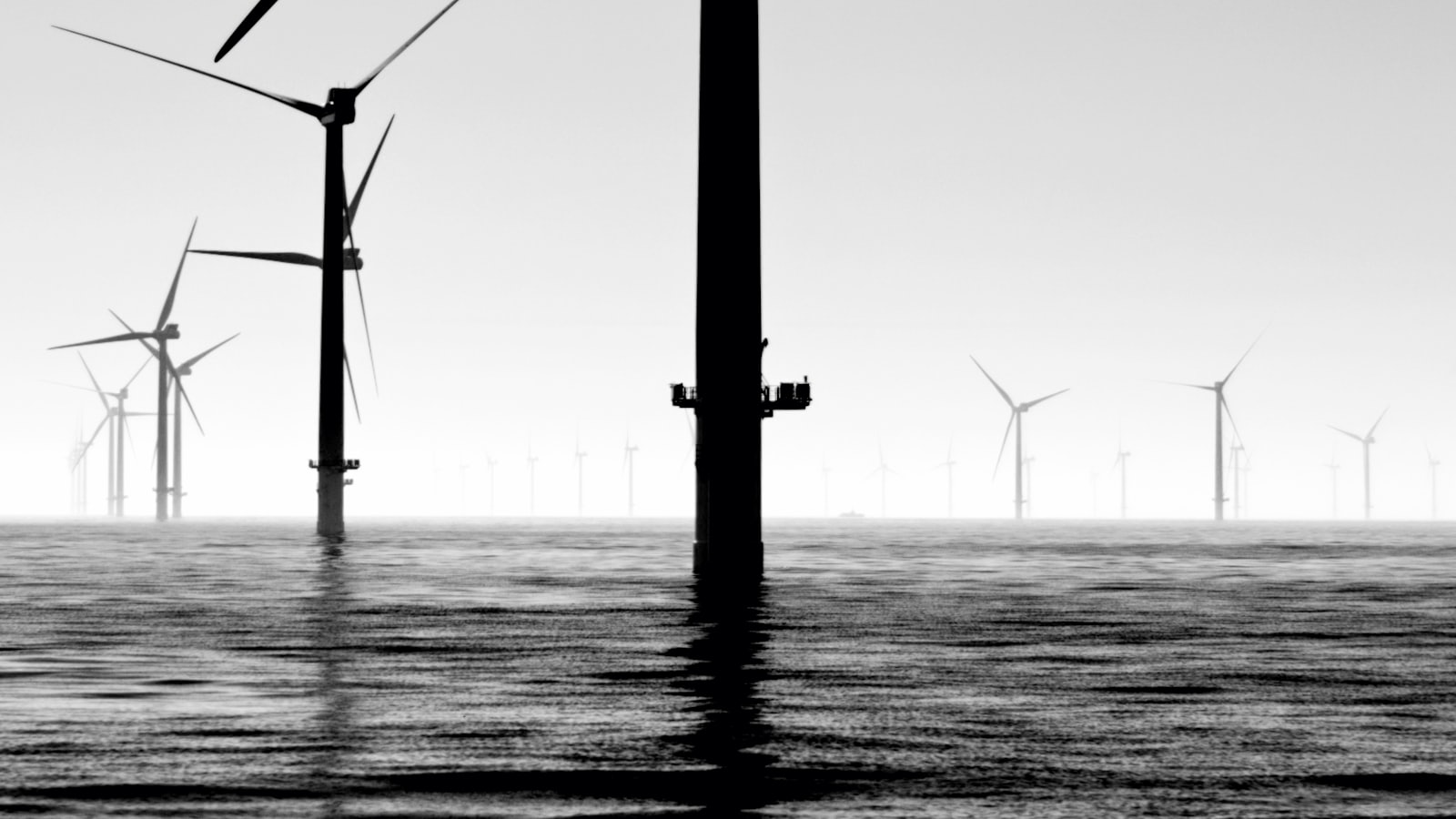
Germany’s offshore wind sector is pushing for two-sided contracts for difference to be written properly into the WindSeeG amendment, after the country’s offshore auction drew no bids at all for the first time.
The Federal Network Agency’s 2025 tender for new offshore sites closed without a single bid. Auctions for centrally pre-examined areas scheduled for 2026 were subsequently postponed to 2027. The draft amendment responds with annual auction volumes of between 2,000 and 4,800 MW, the introduction of two-sided CfDs, and an extension of the assumed operating life for new offshore farms from 25 to 35 years.
Industry bodies say the draft does not go far enough. The German Renewable Energy Association (BEE) and the Offshore Wind Energy Foundation are seeking fundamental changes to the allocation system, with a central objection that CfDs would apply only where no company is willing to build without price protection — effectively making the instrument a fallback rather than the default. The BWO has separately called for reliable hedging for offshore projects. The consultation on the draft closed on 17 August.
The EU’s electricity market reform already requires member states to design direct price support for new generation principally as two-sided CfDs or equivalent models, which narrows how much room Berlin has to treat them as exceptional.
For the Baltic the question is not academic. Poland’s first offshore auction cleared in late 2025 on a CfD basis, and Germany’s zero-bid round is the clearest available evidence of what happens when subsidy-free auction design meets higher capital costs.
Source: IWR Energieletter 34/2026 and consultation reporting.