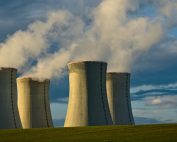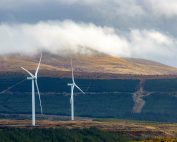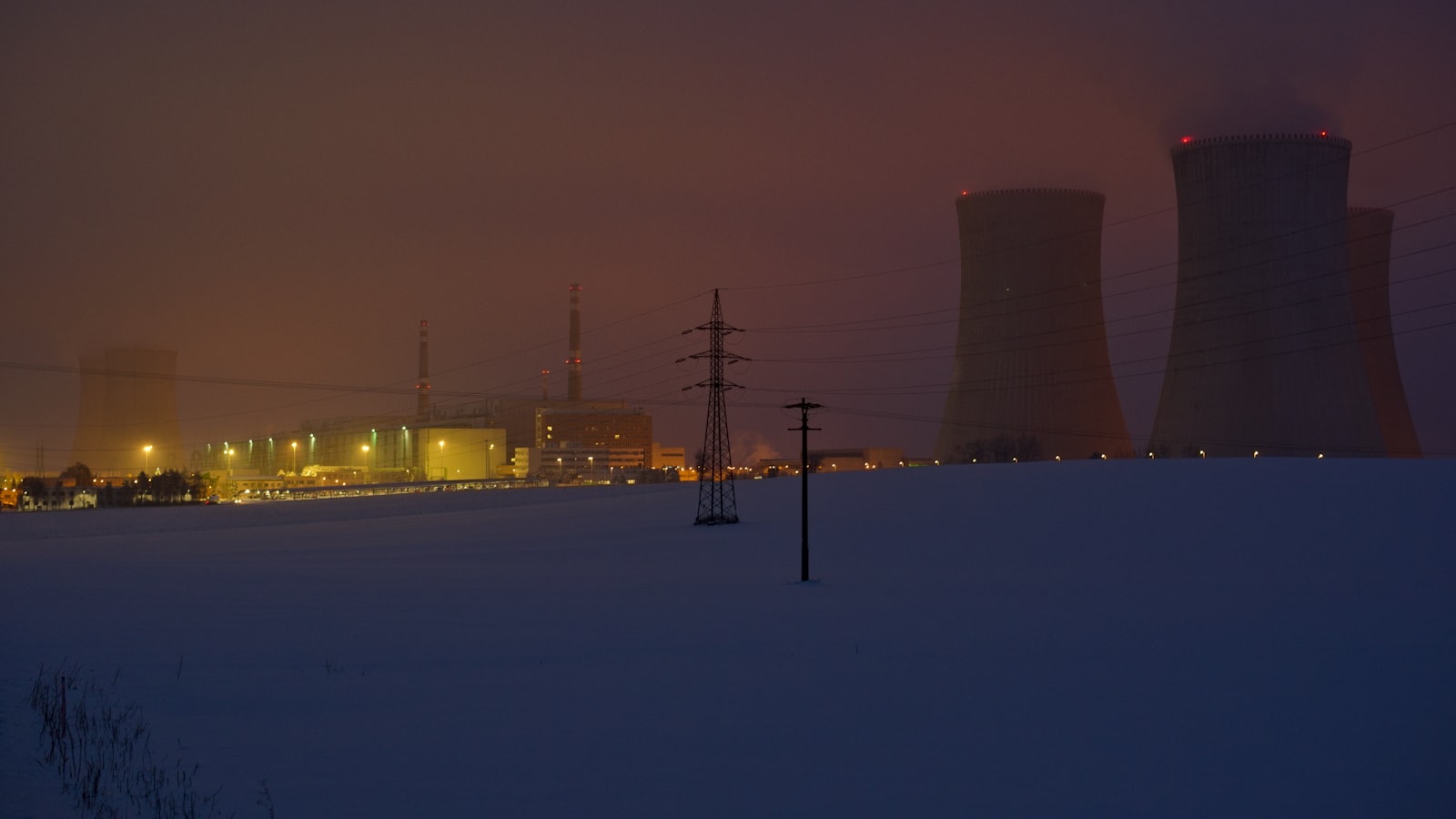
Heat and low river levels have constrained nuclear generation across Europe, with Romania operating without nuclear power for the first time since 2003.
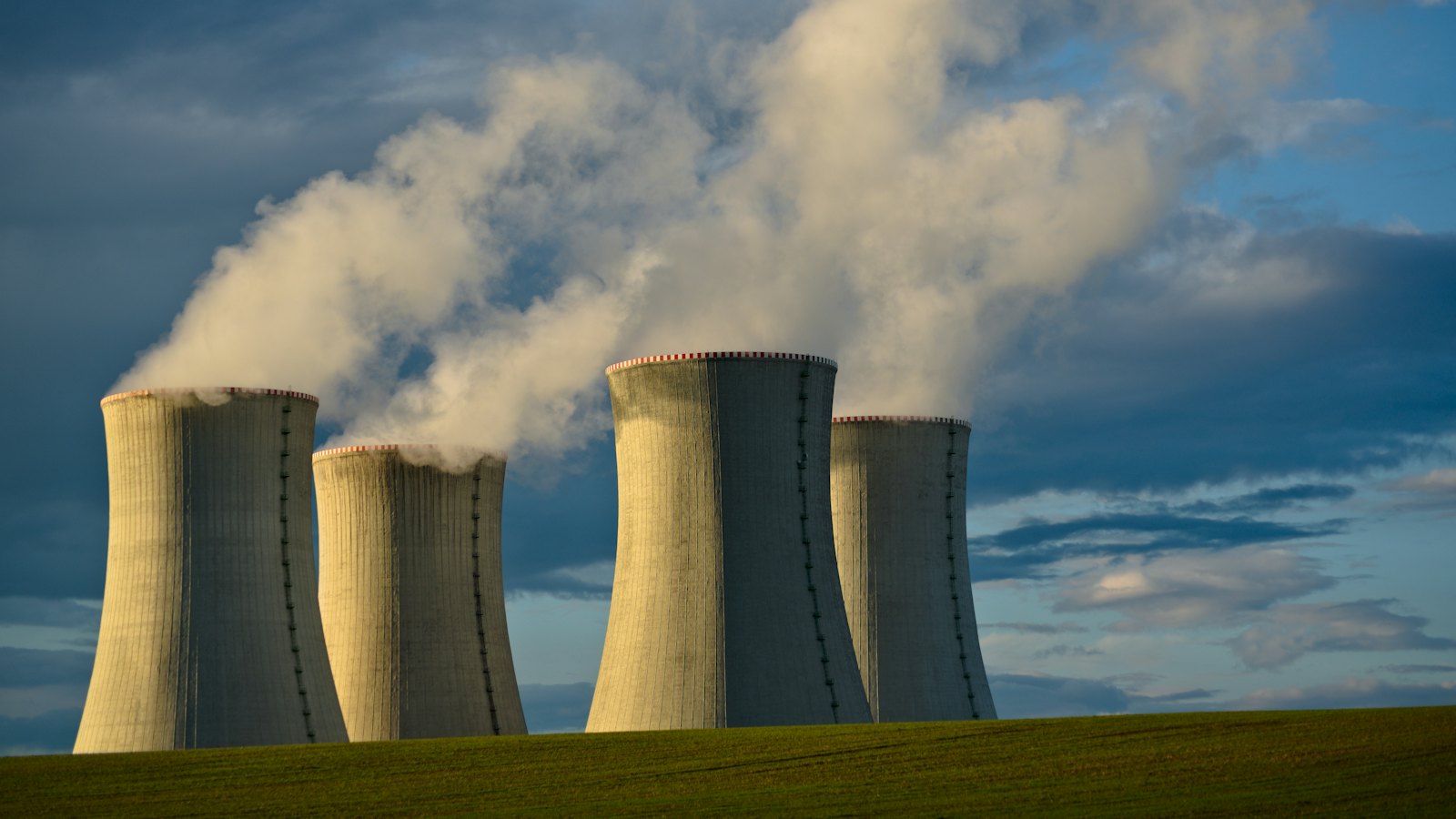
The mechanism is cooling. Thermal plants sited on rivers need water at a temperature and volume sufficient to carry away waste heat, and both conditions fail during sustained heatwaves and drought. Operators face a choice between reducing output and discharging water hot enough to breach environmental limits.
This is now a recurring rather than exceptional pattern, and it cuts directly against the framing of nuclear as the reliable firm capacity against which variable renewables are measured. Availability that falls precisely during summer demand peaks is a different risk profile from the one usually assumed in capacity planning.
The point is not that nuclear is unreliable in general — its annual capacity factors remain high — but that correlated failure matters more than average availability. A fleet that derates together during the same weather event behaves, from a system security perspective, somewhat like a single large unit.
For Baltic energy security planning, where Poland’s nuclear programme at Lubiatowo-Kopalino and small modular reactor proposals in Estonia and Finland sit alongside offshore wind build-out, coastal siting with sea-water cooling looks materially more robust than the river-cooled inland fleet now under stress.
Source: IWR Energieletter 33/2026.