Discussion of subsea infrastructure in the Baltic tends to concentrate on two questions: who damaged something, and how it might have been prevented. A third question decides how much a given incident actually costs, and it gets far less attention. Once a cable is cut, who has the vessel, the spare section and the crew to put it back?
Protection of subsea assets breaks into three layers – prevention, detection and repair. The Baltic has invested unevenly across them, and repair is the thinnest.
The European money is mostly on data cables
The most substantial European package to date sits with the Commission’s Cable Security Toolbox and the accompanying list of Cable Projects of European Interest, backed by an amendment to the Connecting Europe Facility Digital Work Programme allocating 347 million euros to strategic submarine cable projects. The toolbox sets out six strategic and four technical and support measures, and builds on a risk assessment that mapped threat scenarios, vulnerabilities and dependencies. Thirteen CPEI areas are staged in three five-year blocks running to 2040.
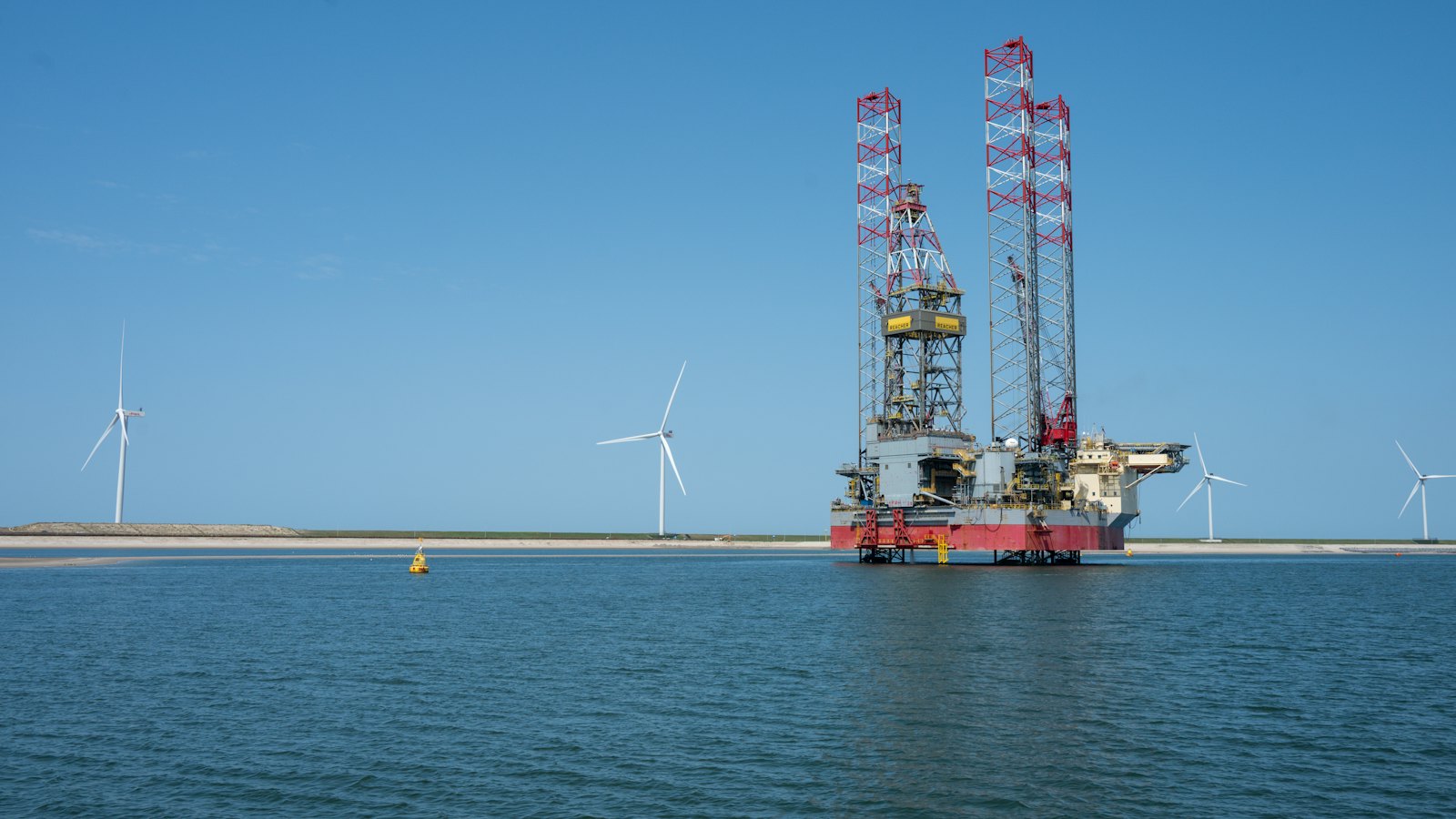
Within that envelope, repair is explicitly funded. Two calls worth 60 million euros support cable repair modules, and a separate 20 million euro call covers SMART cable equipment – sensors and monitoring components integrated into the cable itself to return real-time ocean and seismic data. A further 267 million euros is set aside across two CPEI calls. The repair modules are designed to be stationed at ports or on ships, so that response does not depend on whichever specialised vessel happens to be free.
One distinction matters and is often lost. This programme addresses submarine telecommunications cables, which carry the overwhelming majority of intercontinental internet traffic. Power cables – export cables from offshore wind farms, and interconnectors between markets – are a different asset class under different ownership, and the European money does not reach them in the same way.
Power cables depend on the operators pooling their own capacity
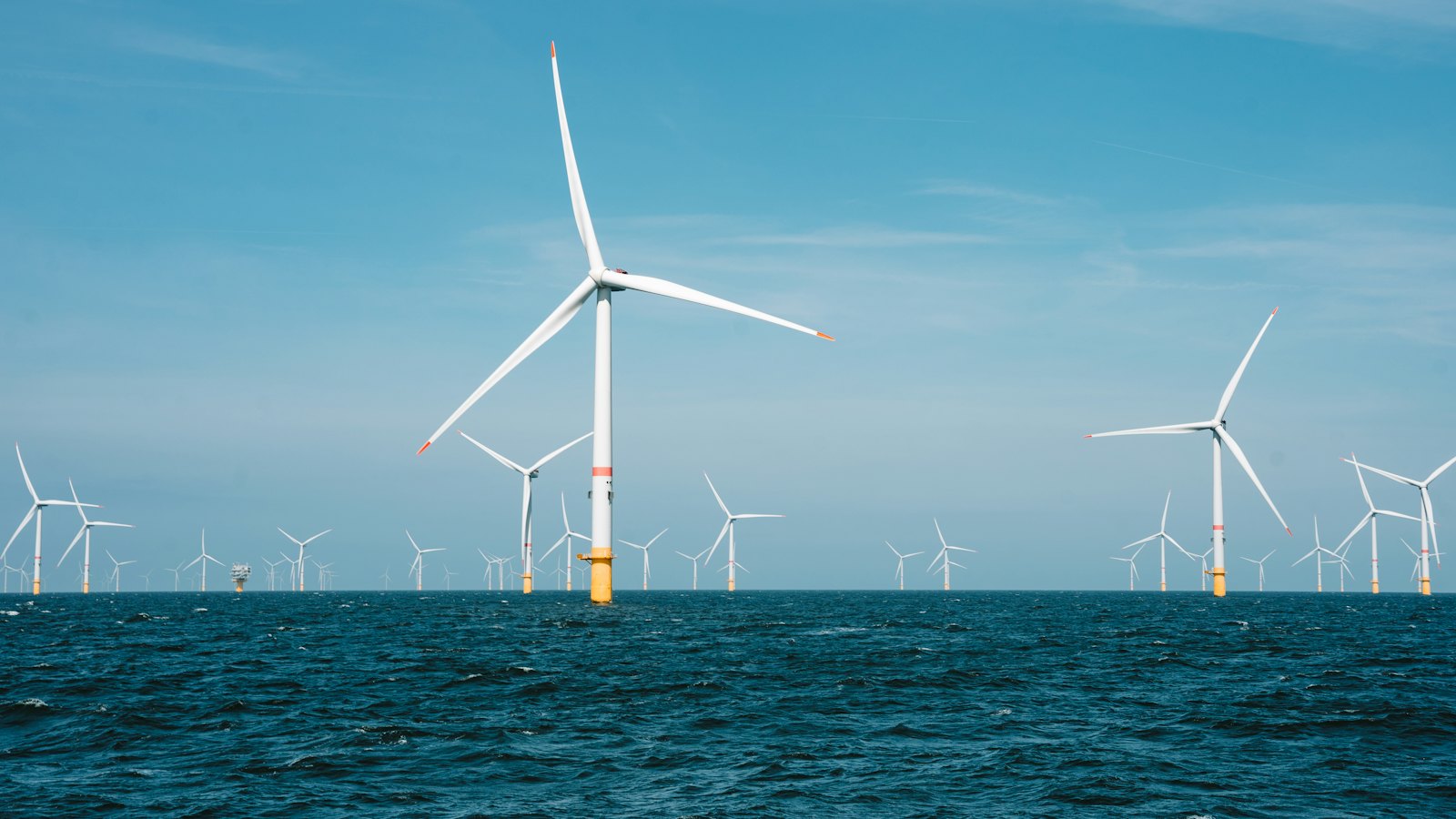
For power, the equivalent effort has come from transmission system operators acting together. Five TSOs – Elia in Belgium, Energinet in Denmark, 50Hertz in Germany, and TenneT in Germany and the Netherlands – signed a memorandum of understanding to cooperate on offshore cable infrastructure, initially in the North Sea, with the arrangement open to other members of the Offshore TSO Collaboration group.
The content is deliberately practical. The operators committed to at least a year of work across four thematic groups: repair logistics, spare parts and equipment, fault detection, and the legal and financial framework. That includes jointly mapping which vessels, materials and technical capabilities actually exist across the participating countries – a question none of them could answer alone, and one that determines how long a fault keeps a wind farm or an interconnector out of service.
The Baltic has no equivalent arrangement of its own scope. The North Sea framework, if the feasibility phase holds, is the template most likely to be extended eastward.
Protection starts during construction
The cheapest repair is the one never needed, and that is decided years earlier, on the seabed. The Baltica 2 project, developed jointly by Ørsted and PGE, shows the sequence in full: geotechnical surveys along the planned routes, a check for unexploded ordnance, removal of boulders up to two metres, then trenching. Contractors prepared 150 kilometres of inter-array cable routes before moving to a 260-kilometre export cable route running to the onshore connection in the Choczewo municipality.
“The quality of trenching and corridor preparation directly affects installation safety and the protection of the cables once they are laid,” said Ulrik Lange, Vice President and Managing Director of the Baltica 2 project at Ørsted.
Burial depth and corridor preparation are the difference between a cable that survives an anchor drag and one that does not. They are, in practical terms, a security measure taken by a commercial developer years before any incident.
The political layer is regional, not EU-wide
Around this sits a set of national and bilateral arrangements. Poland and Lithuania have built energy security cooperation on existing physical links – the GIPL gas pipeline and the LitPolLink interconnector – with Poland acting as a stabiliser for the Baltic states’ systems following their synchronisation with the European grid. On the Polish side, the Safe Baltic Act provides for a Maritime Security Centre operated by the Border Guard and extends the Navy’s powers.
Lithuania has also shown what redeployable capacity looks like in practice. Ignitis Gamyba shipped 2,681 tonnes of equipment to Ukraine in 145 lorry loads from the mothballed Vilnius TE-3 plant, coordinated through the EU Civil Protection Mechanism. The relevant lesson for the Baltic is not the aid itself but the logistics: moving heavy energy equipment quickly requires arrangements made before they are needed.
What to watch
Three things will show whether the repair layer is closing. Whether the North Sea TSO cooperation extends to Baltic operators once its feasibility year concludes. Whether repair modules and spare cable sections are stationed at Baltic ports rather than only in western Europe. And whether power cables get a funding route comparable to the one now open to telecom cables. Until those are settled, resilience in the Baltic rests more on prevention than on the ability to recover quickly – and prevention, on a sea this busy, has limits.