Lithuania has gone from energy importer to one of the fastest-moving renewable markets in the Baltic region in the space of a few years. Installed renewable capacity reached 6.5 GW in mid-2026 and is expected to pass 7 GW by year-end, according to figures published by the energy ministry. This feature draws together BalticWind.EU’s coverage of the main actors behind that growth: the state-controlled utility Ignitis Group, the port of Klaipėda, the European Investment Bank and a household prosumer movement that has outrun its own targets.
Kelmė: the Baltic region’s largest wind farm
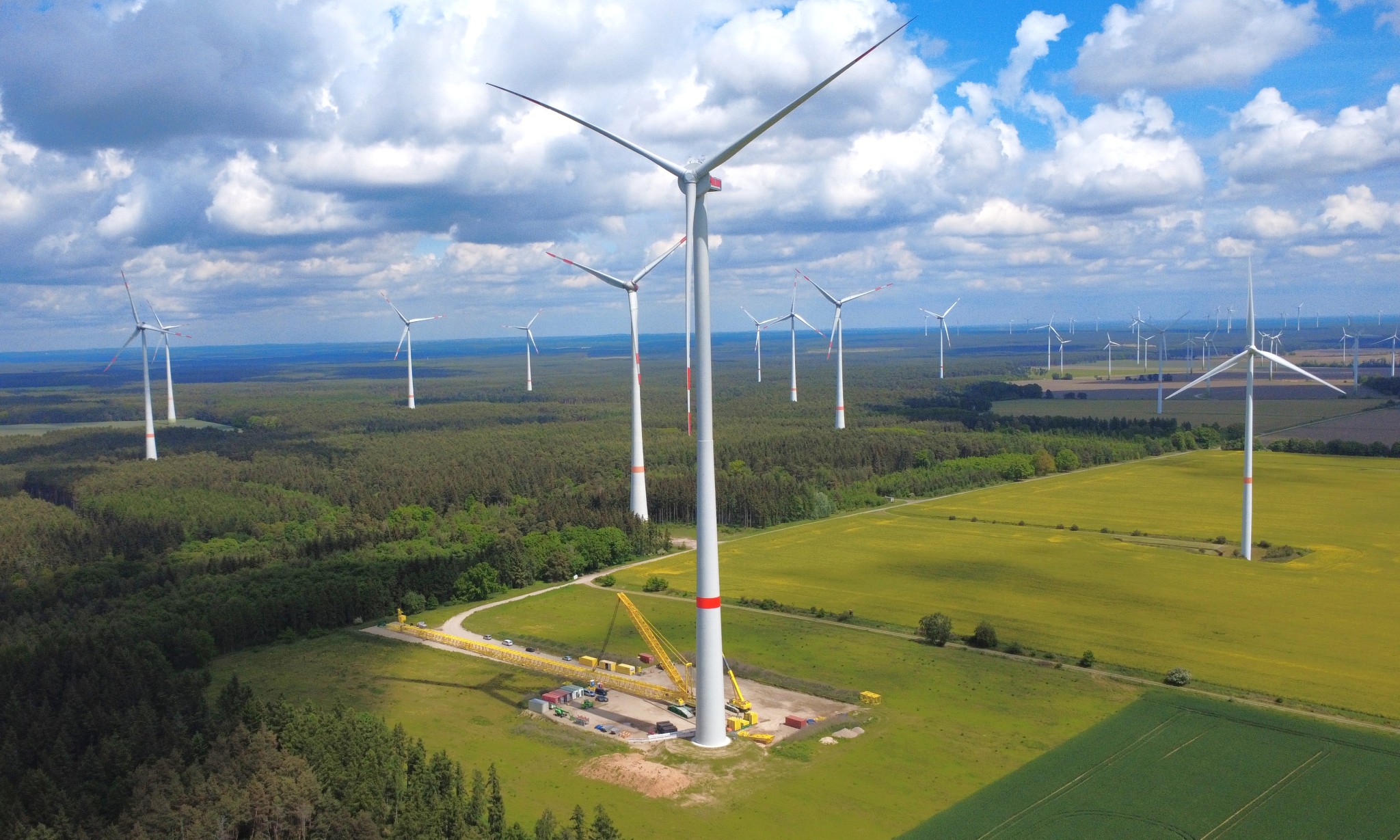
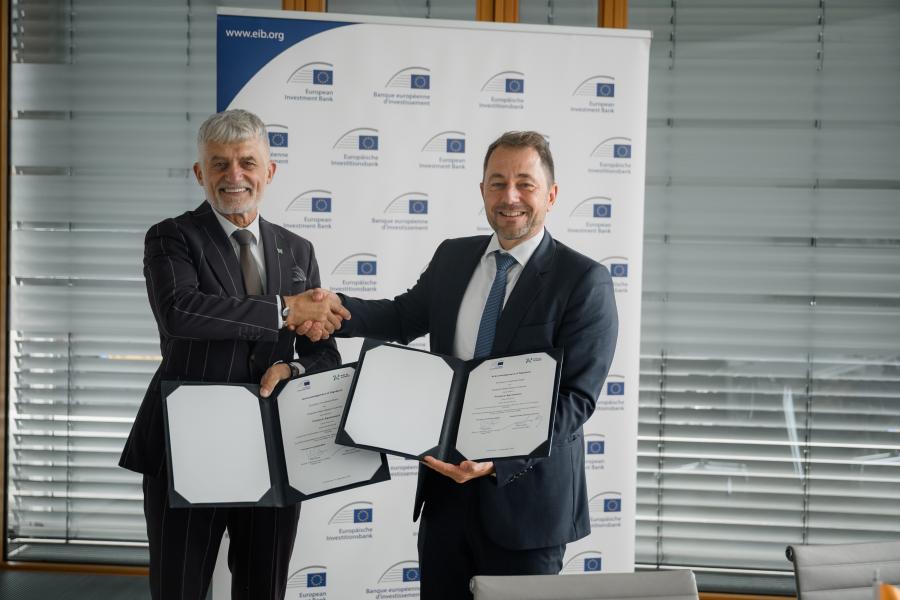
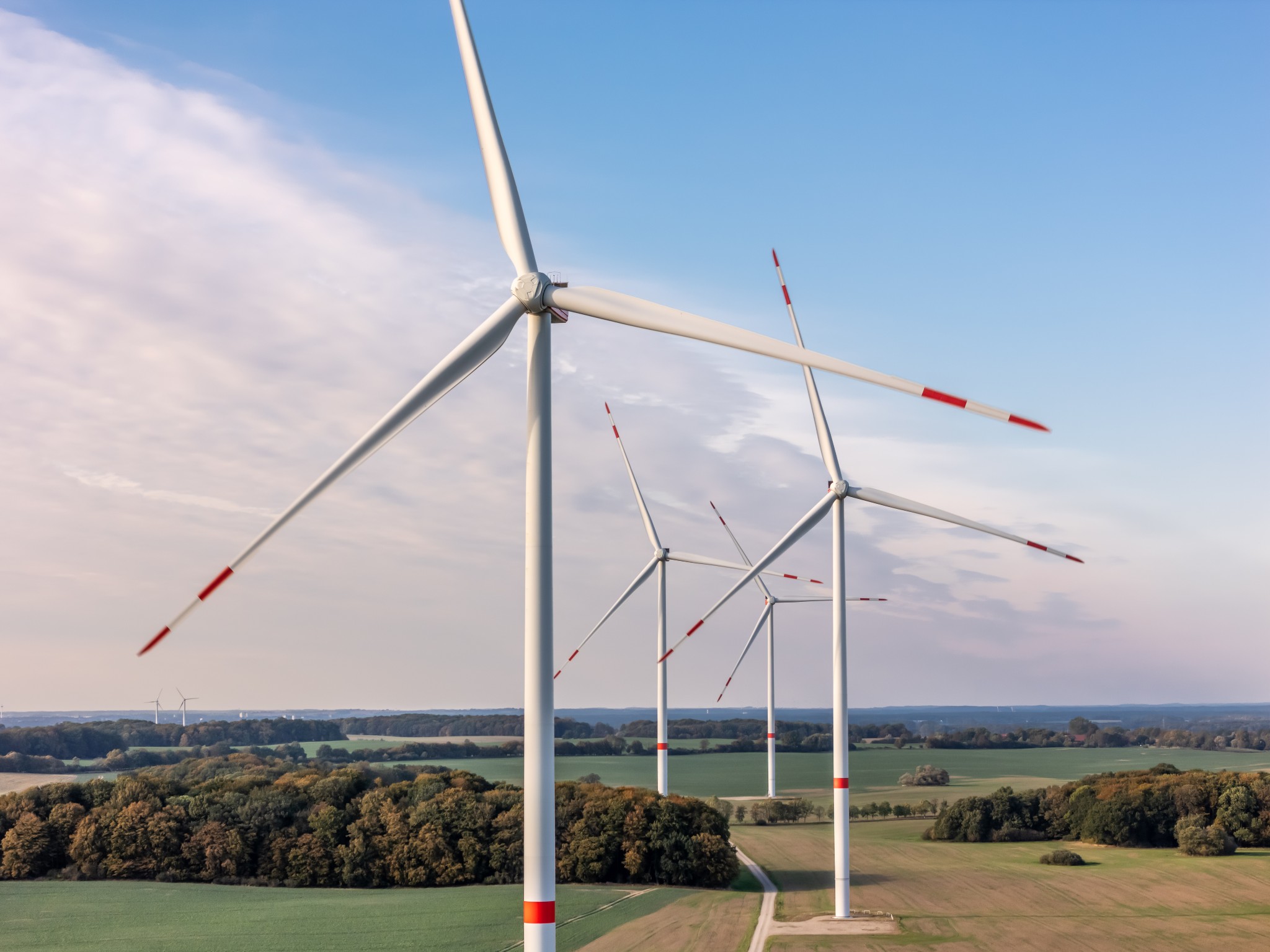
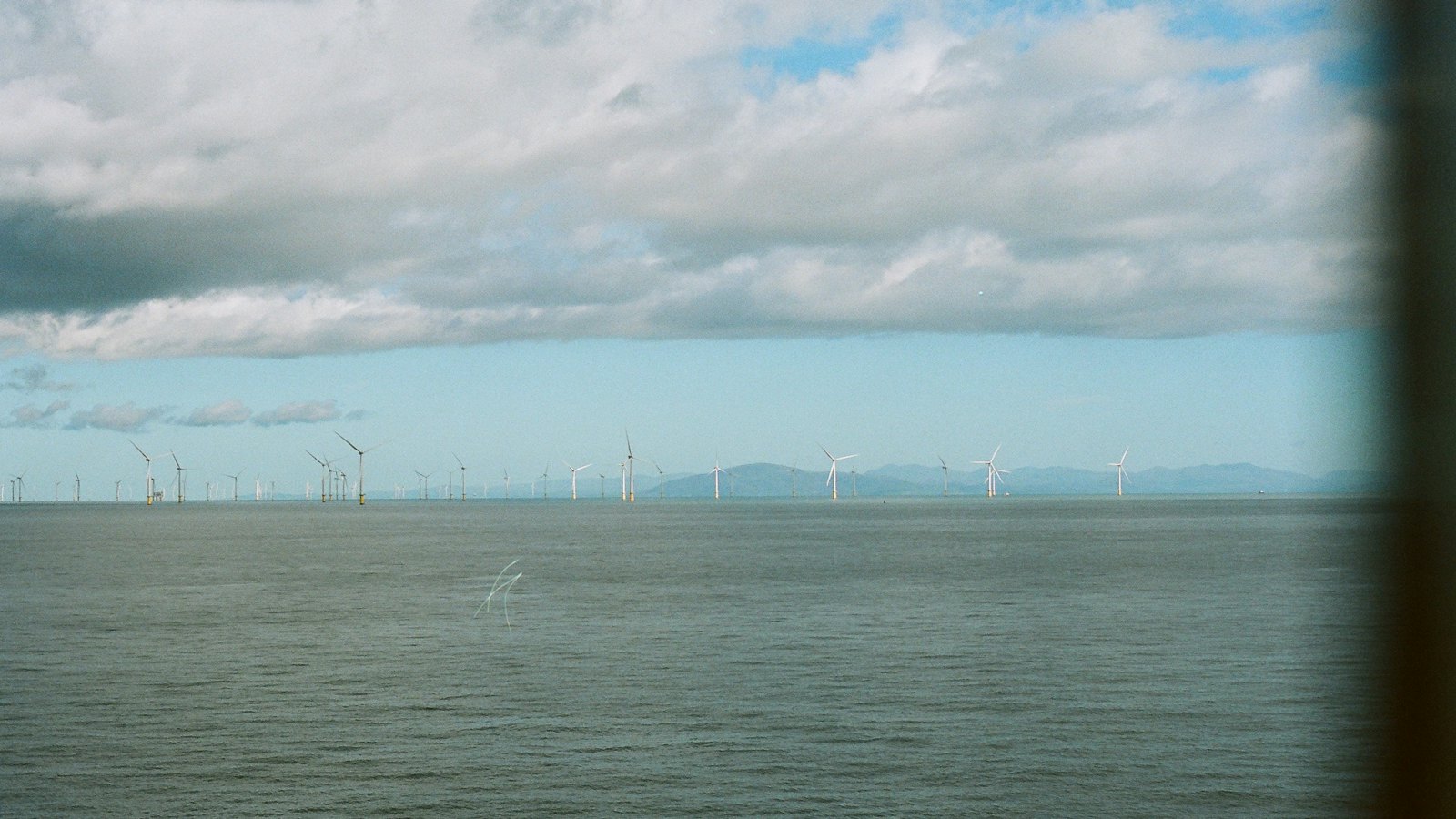
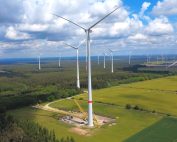
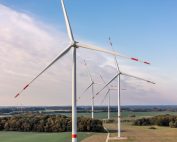
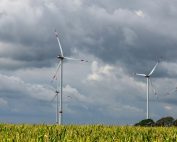
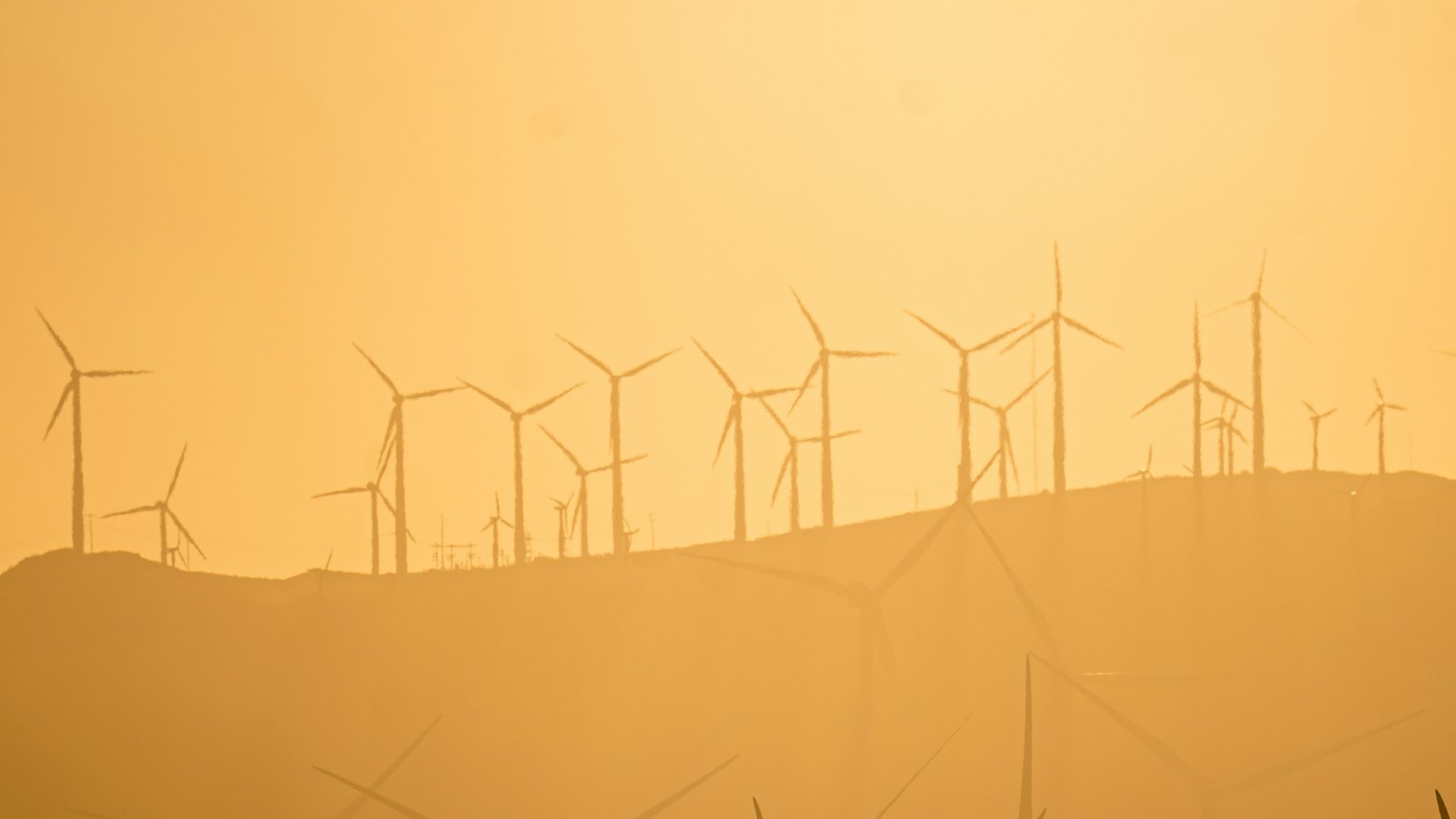
The anchor project of the onshore build-out is the 314 MW Kelmė wind farm, developed by Ignitis Renewables and in full commercial operation since June 2025. It is the largest operating wind site in the Baltic states and produces enough electricity for around 250,000 Lithuanian households. The EIB backed the EUR 550 million project with two loans totalling EUR 250 million, almost half the investment, describing it as subsidy-free capacity that strengthens both energy security and economic resilience. EIB financing to Lithuania as a whole reached EUR 577 million in 2025, concentrated in defence, energy and infrastructure.
Ignitis shifts from volume to value
Ignitis Group’s installed green capacity grew from 1.2 GW to 2.1 GW in three years to the end of 2025. Its 2026–2029 strategy, however, marks a change of emphasis. Of the EUR 2.5–3.0 billion investment plan, around 55 per cent is earmarked for the electricity distribution network and roughly 40 per cent for growing renewable and flexibility capacity to 2.8–3.2 GW by 2029. Chief executive Darius Maikštėnas has described the approach as “value over volume”, with storage, grid balancing and data centres named as growth avenues alongside generation.
The flexibility leg is already under construction. Ignitis Renewables is building three battery farms with a combined 291 MW of power and 584 MWh of storage, two of them next to its operating wind farms near Kelmė and Mažeikiai and the third beside the Kruonis pumped-storage plant. Co-locating batteries with existing generation and grid connections keeps construction costs and environmental impact down. “Storage systems are like safety cushions of the electricity network,” said Algirdas Dučinskas, the group’s head of energy storage.
Klaipėda prepares for offshore
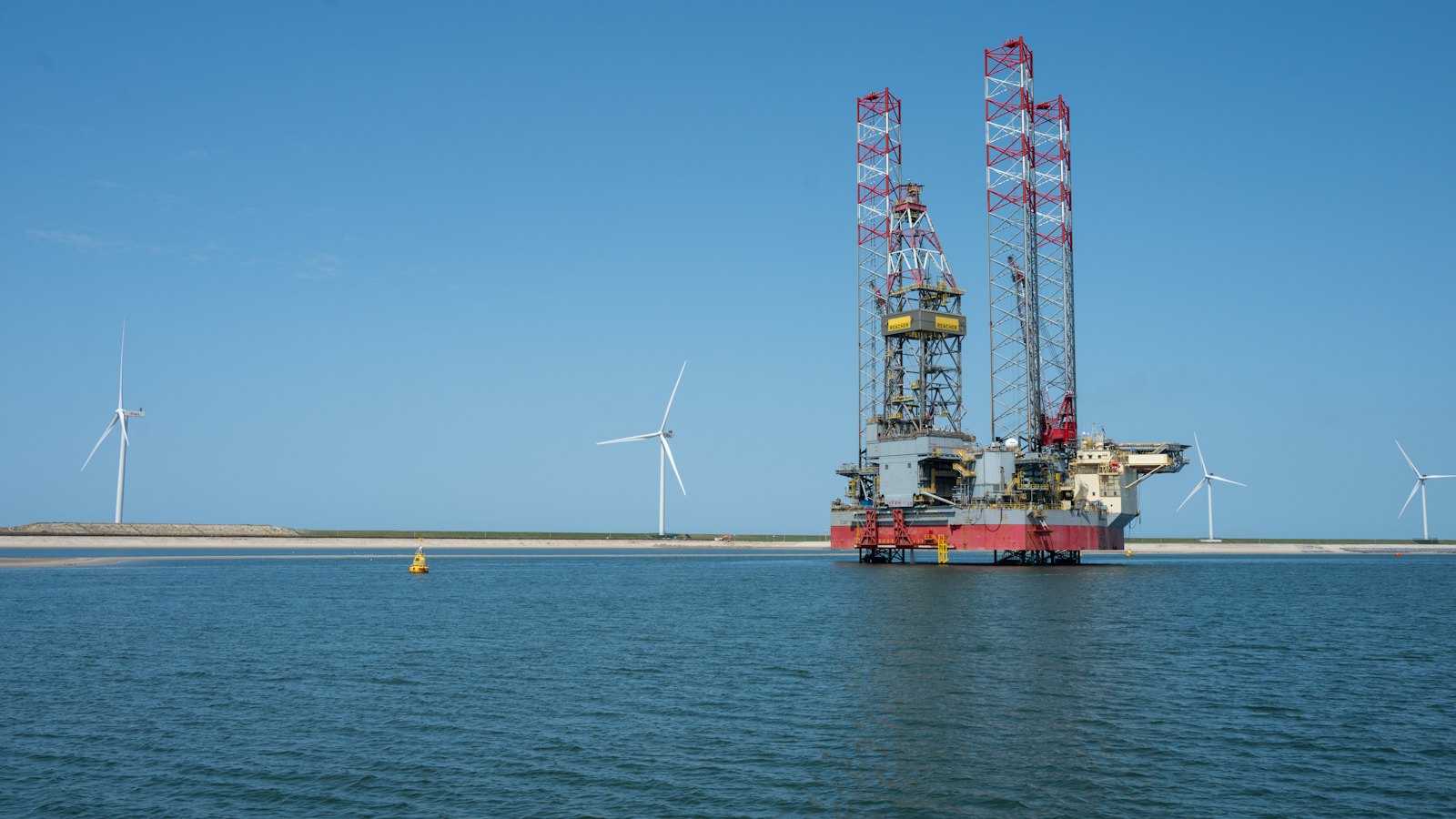
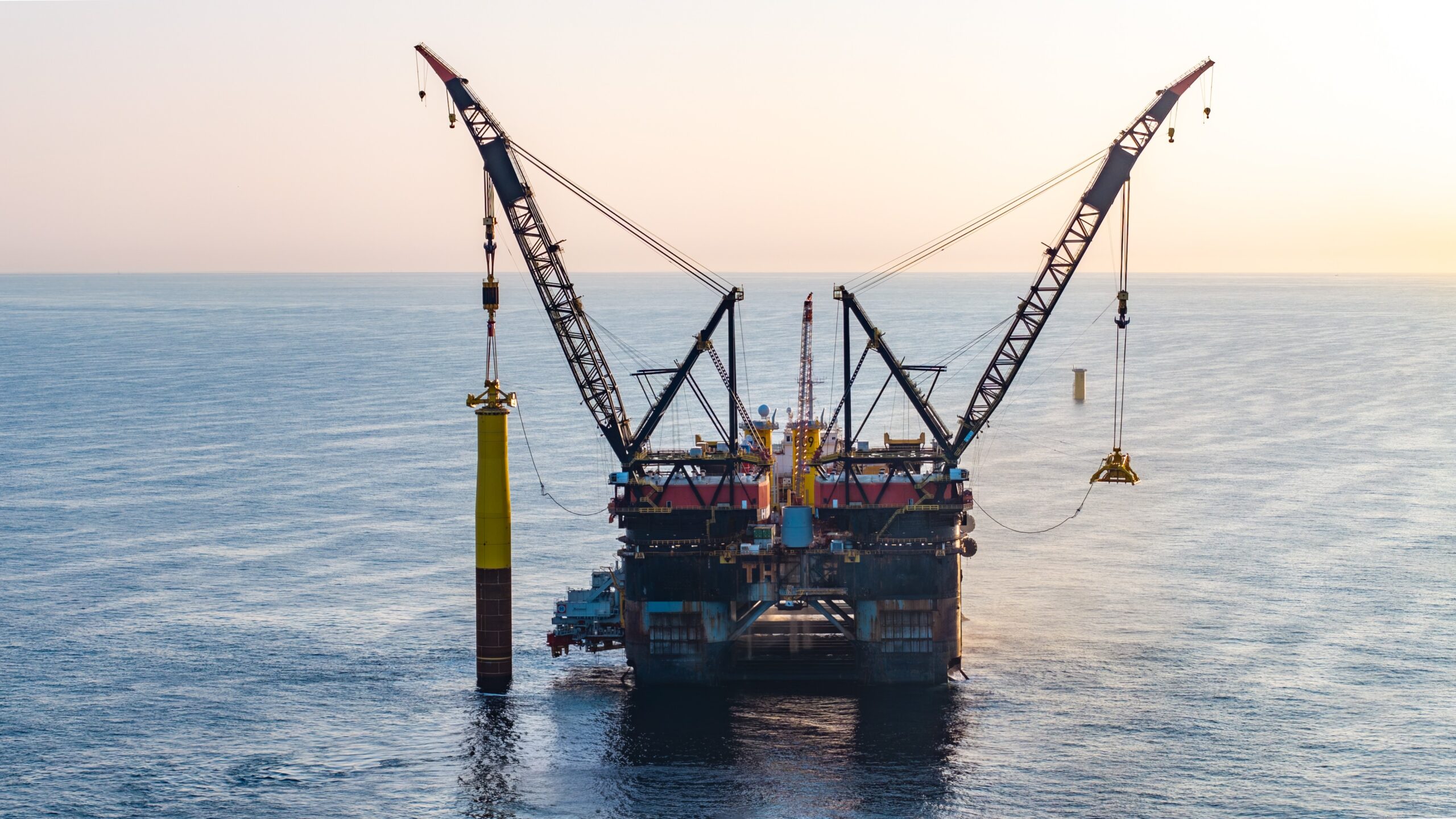
On the coast, Klaipėda State Seaport Authority has a EUR 775 million investment programme running to 2029 after a record year in which cargo passed 39 million tonnes. Nearly EUR 600 million of that is for the southern port expansion, the largest project in the port’s history, with the first stage of construction due to start in mid-2026 and completion targeted for 2028. The authority also planned to complete infrastructure for wind turbine assembly and storage at the port during 2026, positioning Klaipėda as the staging base for Lithuania’s future offshore wind farms, and is investing in green hydrogen production, shore power for ferries and port security.
Communities and prosumers
Two further threads run through the build-out. The first is local acceptance: Ignitis Renewables has granted more than EUR 1.3 million to community initiatives near its wind projects over four years, and its annual community gathering in Kaunas now draws more than 150 participants from over 20 associations. Producer levies paid to municipalities hosting renewable projects rose roughly fourfold in 2025, to about EUR 1.3 million.
The second is distributed generation. Lithuania counted more than 193,000 prosumers by mid-2026 and expected to reach 200,000 by year-end, a milestone originally set for 2028. Parliament has extended net-metering to existing and new residential prosumers, and a new support scheme lets households with limited grid capacity install 5 kW of solar paired with 10 kWh of storage. The country’s 2030 target is for renewables to cover at least 55 per cent of gross final energy consumption.
What comes next
The picture is not one of uninterrupted acceleration. The outgoing deputy energy minister, Airidas Daukšas, noted a visible slowdown among developers even as capacity approached 7 GW, and the government has sent a Sustainable Energy Package to parliament to give projects more flexibility and time. Ignitis’s own pivot towards grids and storage reflects the same reality: the constraint in Lithuania is shifting from building generation to integrating it. With the Baltic states synchronised with the continental European grid since early 2025, the next phase will be judged less by gigawatts installed than by how much of that output the system can absorb, store and, eventually, export. Offshore wind, with Klaipėda’s quays being readied for it, is the piece that has yet to arrive.