The Polish Wind Energy Association (PSEW) will hold Offshore Wind Poland 2026 in Warsaw on 17–18 November. Industry representatives from Poland, Denmark, Estonia, Belgium, the Netherlands, Norway and the United Kingdom are expected to discuss how the Baltic Sea region can build out offshore wind and strengthen its energy security. The conference runs under the theme “Offshore wind. Security. Resilience. Development.”
From first power to the next construction sites
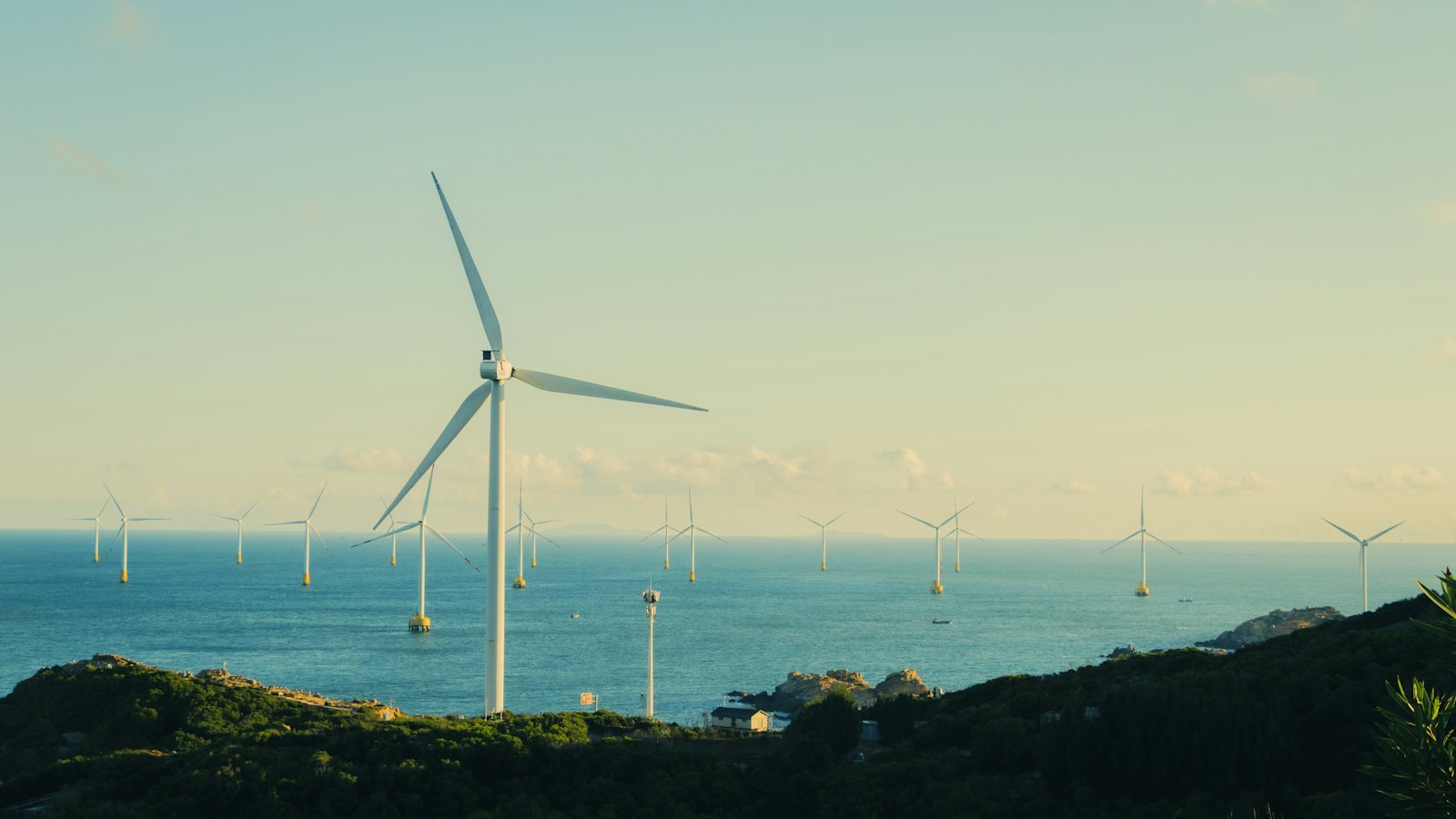
The event comes in a year that brought the first power from a Polish offshore wind farm: during commissioning of Baltic Power, electricity from offshore turbines flowed into the national grid for the first time. Once fully operational, the farm is expected to generate up to 4 TWh a year.
Work on other Polish projects continues. PGE and Ørsted have completed installation of 111 monopiles for Baltica 2 – 107 for turbines and four for offshore substations – with commissioning planned for 2027. Polenergia and Equinor have installed foundations for 100 turbines and the support structures for two offshore substations at Bałtyk 2 and Bałtyk 3, with first power planned for 2027 and full operation for 2028. Ocean Winds has started building an operations and maintenance base in Władysławowo for BC-Wind and has leased a terminal in Świnoujście to prepare and install foundations and transition pieces. Polenergia and Equinor are also developing Bałtyk 1, with a capacity of up to 1.56 GW, which won the offshore auction in December 2025 and is scheduled for commissioning in 2032.
“First power from Baltic Power and progress on further construction show that Polish offshore wind is becoming a reality. Now we must ensure continuity of investment, predictable conditions for delivery and real opportunities for Polish companies,” said Janusz Gajowiecki, President of PSEW.
Baltic potential and the gap to targets
According to the Baltic Energy Perspectives 2026 report, offshore wind generation in the eight Baltic Sea countries could grow from 36 TWh in 2025 to 167 TWh in 2040, with Poland among the largest markets. The same report shows the scale of the remaining work: based on a project list compiled on 14 August 2026, operating farms and projects under construction or past financial close could reach around 9.5 GW by 2030, against a joint Baltic target of 19.6 GW. Auction rules, grid access, permitting procedures and the supply chain are identified as the key factors.
Baltic Offshore Strategic Summit
The conference will host the Baltic Offshore Strategic Summit (BOSS), a round-table meeting of decision-makers, security experts and industry leaders on cross-border cooperation in offshore wind and shared priorities for the Baltic Sea region. According to the organisers, its conclusions could form the basis of a coordinated cooperation platform linking governments, business and experts.
“Baltic offshore wind cannot be developed in isolation from the wider context of European security and competitiveness. We need common standards for infrastructure protection, better grid integration and a strong European supply chain. No country in the region can build this alone,” Gajowiecki said.
Programme
Sessions will cover preparations for the 2027 offshore auction and the application of EU non-price criteria, development of the Polish supply chain and how to measure local content, security of wind farms and transmission infrastructure, the role of ports and the use of offshore power by Polish industry. A report by Baker Tilly TPA and CEE Energy cited by the organisers estimates that using the full 33 GW potential of Polish sea areas could mean around PLN 897 billion in lifetime spending, around PLN 346 billion of added value for the Polish economy and more than PLN 56 billion in fiscal revenue – though this would require designating new areas for wind farms.
BalticWind.EU is a media partner of Offshore Wind Poland 2026. Registration: konferencjaowp.pl.