The Baltic Sea is now treated by its governments as a security space first and an energy corridor second. Between May and July 2026, ministers from the coastal states met in Sopot, Vilnius, Helsinki and Kiel, and each meeting arrived at the same conclusion: the subsea cables, interconnectors, substations and wind farms that tie the region’s power systems together need protecting like any other strategic asset.
Cables and the shadow fleet
On 29 May the Council of the Baltic Sea States adopted the Sopot Declaration at its 23rd ministerial session. Signed by Denmark, Estonia, Finland, Germany, Iceland, Latvia, Lithuania, Norway, Poland and Sweden, it cites cyber operations, sabotage across supply chains and the risks posed by Russia’s shadow fleet. The Council pointed to the Memorandum of Understanding on the Protection of Critical Undersea Infrastructure as the central framework and commended NATO’s Baltic Sentry activity for improving awareness and deterrence. It also raised the possibility of a full maritime services ban on Russian energy exports, coordinated with the G7.
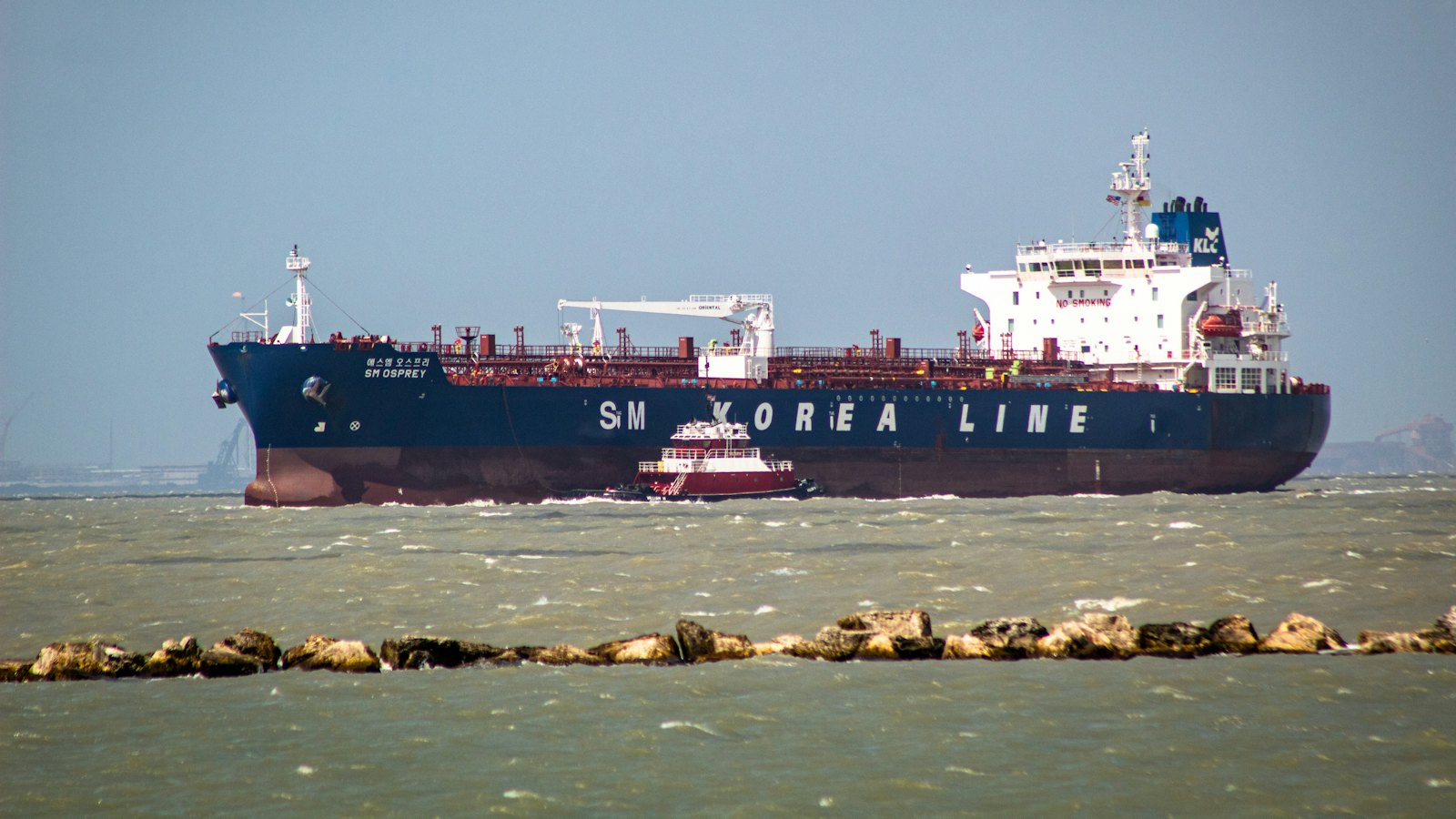
The EU followed on 15 June with a sanctions package listing 34 individuals and 47 entities, including two individuals and 24 entities tied to oil shipments, among them shadow-fleet operations. The Council describes the fleet as a sanctions-evasion tool that also threatens maritime safety and the environment. For the Baltic, the concern is practical: ageing and often uninsured tankers pass close to ports, coastlines and the cables and wind farms the region is building.
The new threat from the air
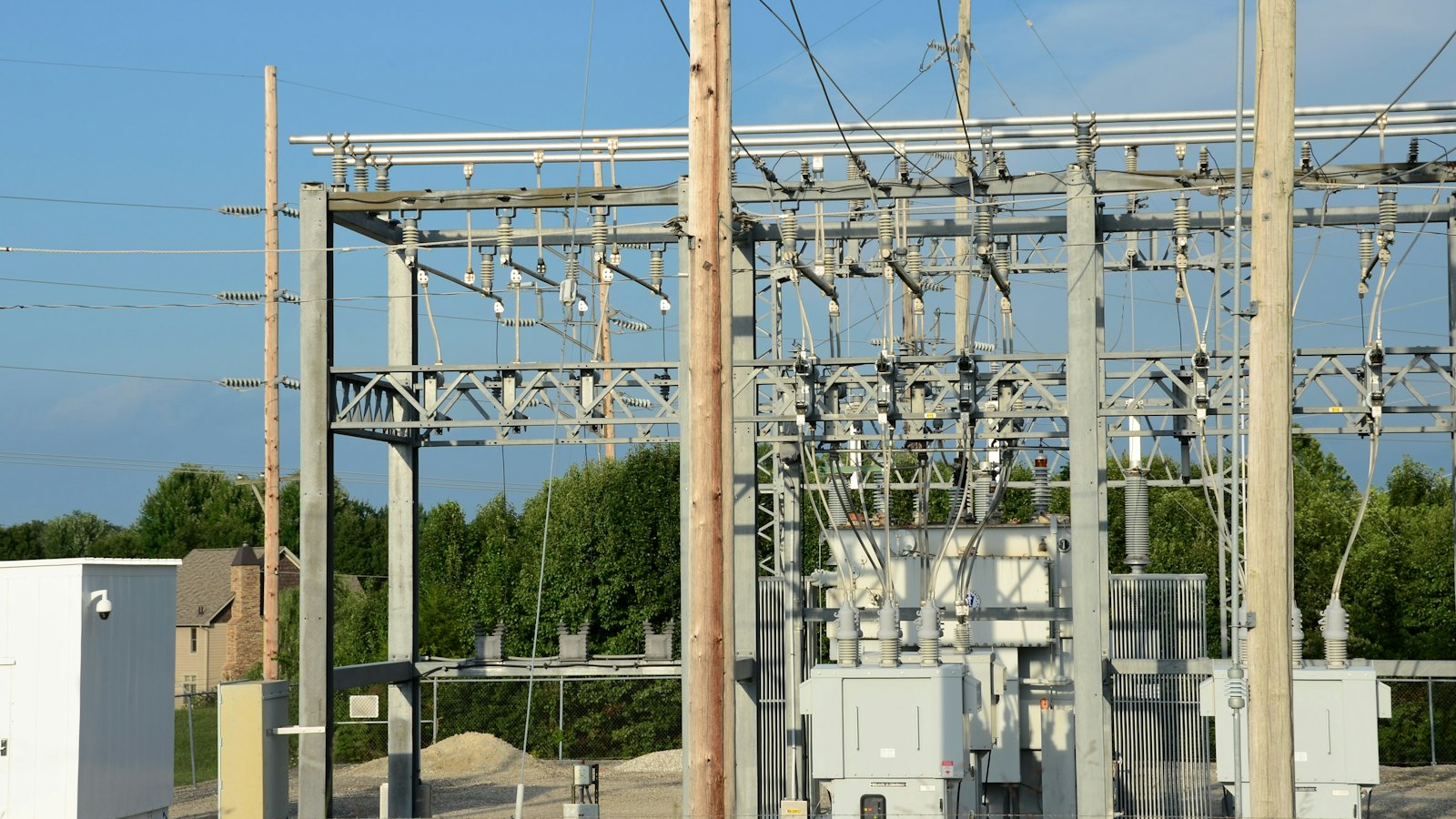
Attention has widened from the seabed to the sky. At a meeting of the Baltic Council of Ministers and the Baltic Energy Security Group in Vilnius on 21 May, Lithuania’s Vice-Minister of Energy Gabriel Gorbačevski said the 2023-2025 incidents damaging subsea infrastructure are now being followed by risks from unmanned aerial vehicles. Officials agreed to treat counter-drone protection as a standard measure for critical infrastructure. Lithuania already has detection and neutralisation systems at four key energy sites, with five more due by mid-year, while Latvia is investing in mobile transmission towers and substations to restore supply quickly after an attack. The European Commission has allocated EUR 113 million under the Connecting Europe Facility to the Baltic states and Poland for protecting electricity infrastructure, and officials want a permanent co-financing mechanism and shared regional reserves of critical equipment.
Interior ministers from nine Baltic Sea states took up the same theme in Helsinki on 17 and 18 June. Finland confirmed EUR 50.2 million in its supplementary budget for counter-drone capabilities, EUR 44 million of it for the Border Guard and EUR 6.2 million for the police, and Ukraine’s interior minister shared its wartime experience by video link.
Offshore wind as critical infrastructure
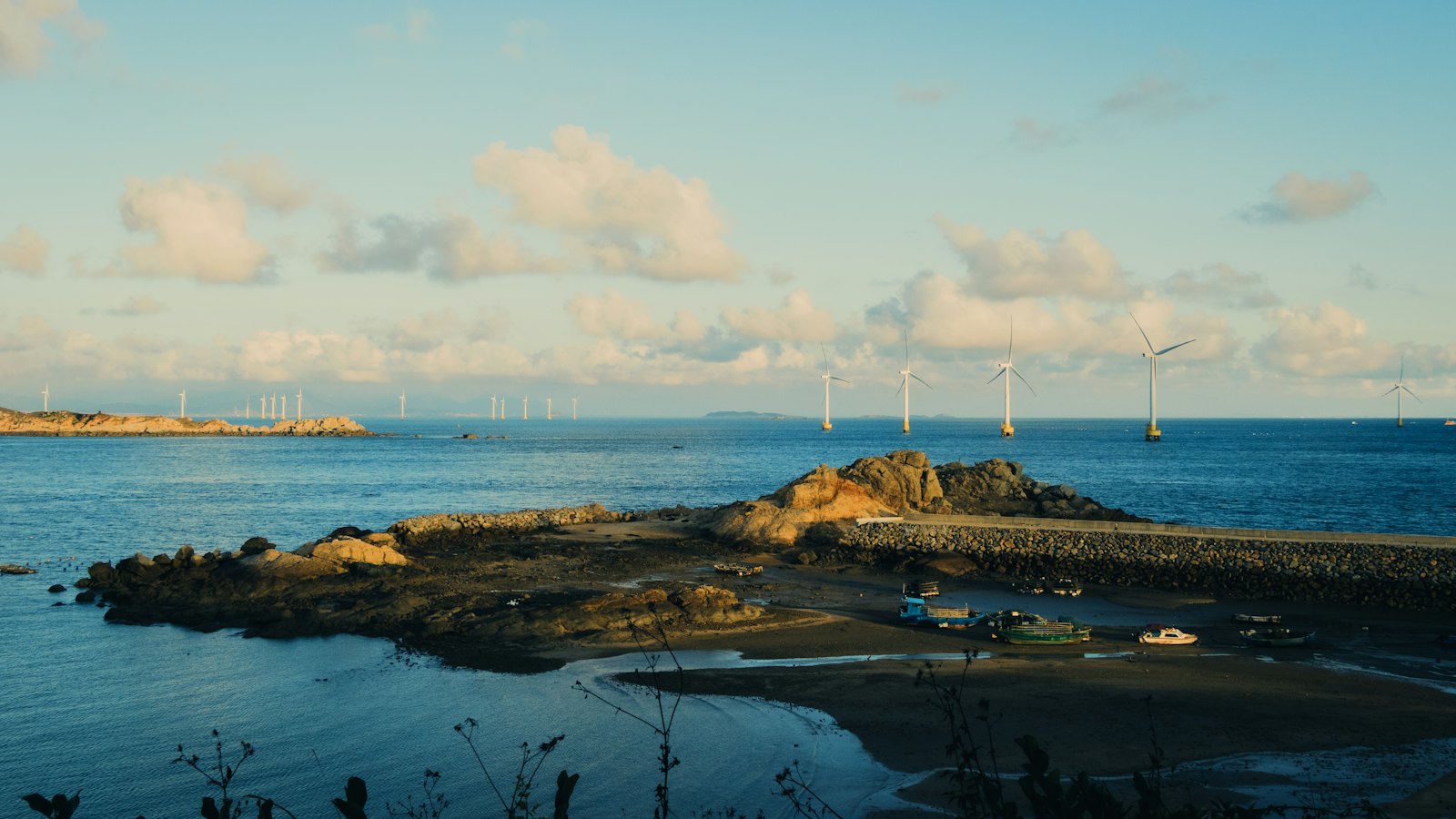
Poland is turning the principle into rules. Offshore farms there already need expert assessments of their effect on military and Border Guard radar, surveillance and communications, approved by the defence and interior ministries before a building permit is issued, at the investor’s cost. According to the Polish Wind Energy Association (PSEW), legislation now in progress would formally recognise offshore wind farms as critical infrastructure. Operators would then have to deploy systems to detect vessels, underwater objects and drones, with substations and export cables given particular protection. PSEW president Janusz Gajowiecki said resilience will matter as much as technology and financing for the sector’s future.
German Foreign Minister Johann Wadephul put the same point in geopolitical terms at the Kiel Security Conference, calling the Baltic the most obvious theatre of confrontation with Russia and citing sabotage, GPS jamming, drone incursions and Russian research vessels near critical infrastructure.
What to watch
Three questions will decide how far this agenda goes. The first is whether Poland’s critical-infrastructure legislation passes and what detection duties it places on offshore operators. The second is whether the EU’s CEF funding is turned into a permanent mechanism rather than a one-off allocation. The third is how the CBSS follows through under Iceland’s presidency, which began in July with security, resilience and countering foreign information manipulation on its agenda. Each will determine who pays for protecting Baltic wind and grid assets, and how quickly.