In the first half of 2026 the countries around the Baltic Sea made a series of decisions that, taken together, show how they now think about energy security. They locked in gas supply for a decade and more, pushed support to Ukraine’s damaged system, and heard from NATO and global institutions that energy supply is a defence question. The pieces are best read side by side.
Gas supply, contracted for the long term. KN Energies, operator of the Klaipėda LNG terminal in Lithuania, completed a long-term allocation of regasification capacity for 2033–2044. It booked more than 20 TWh: 8 TWh through 2044 and a further 12 TWh through 2040. Five customers took capacity: Ignitis in Lithuania, Latvenergo in Latvia, Norway’s Equinor and, for the first time, Finland’s Gasum and Ukraine’s Naftogaz. The procedure began in March 2026 and offered up to 28 TWh a year in seven packages of 4 TWh. Together with a package allocated in 2023, utilisation is expected to reach about 75 per cent of nominal capacity, and unallocated volumes may be offered again. Lithuania’s energy minister called the result a sign of trust in the terminal’s growing role from the Baltic towards Northern Europe and Ukraine.
Norwegian molecules, Polish money. Poland is building supply from the other direction. ORLEN Upstream Norway agreed to buy a 20 per cent interest in five Norwegian licences, including the producing Goliat field, from Vår Energi. ORLEN puts the acquired resources at about 58 million barrels of oil equivalent, including around 3 billion cubic metres of gas, and expects its output from these assets to roughly triple, from about 4,000 to 12,000 boe a day, over the next four years. The deal needs Norwegian regulatory approval; once closed, Goliat would be held by Vår Energi (45 per cent), Equinor (35 per cent) and ORLEN (20 per cent).
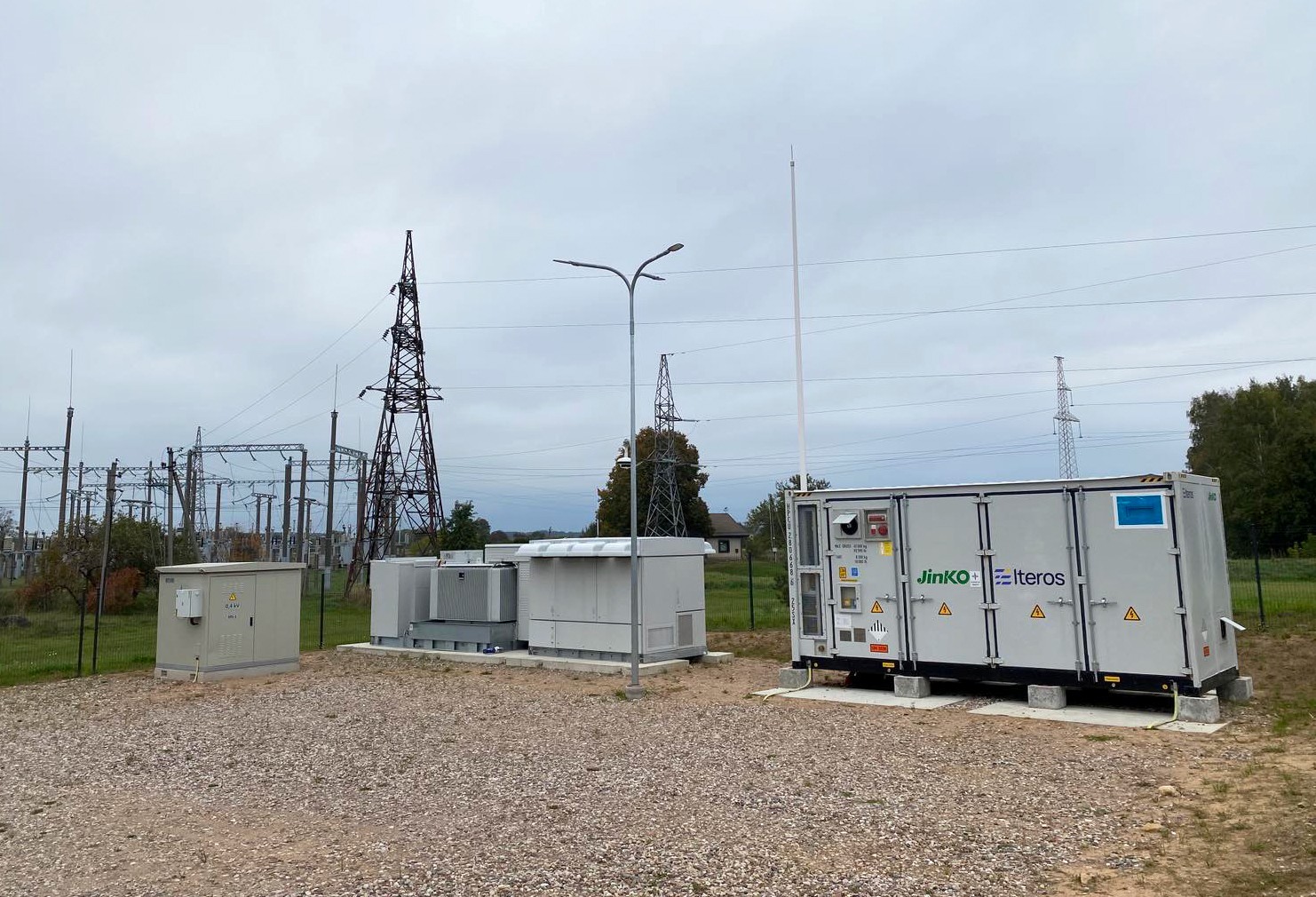
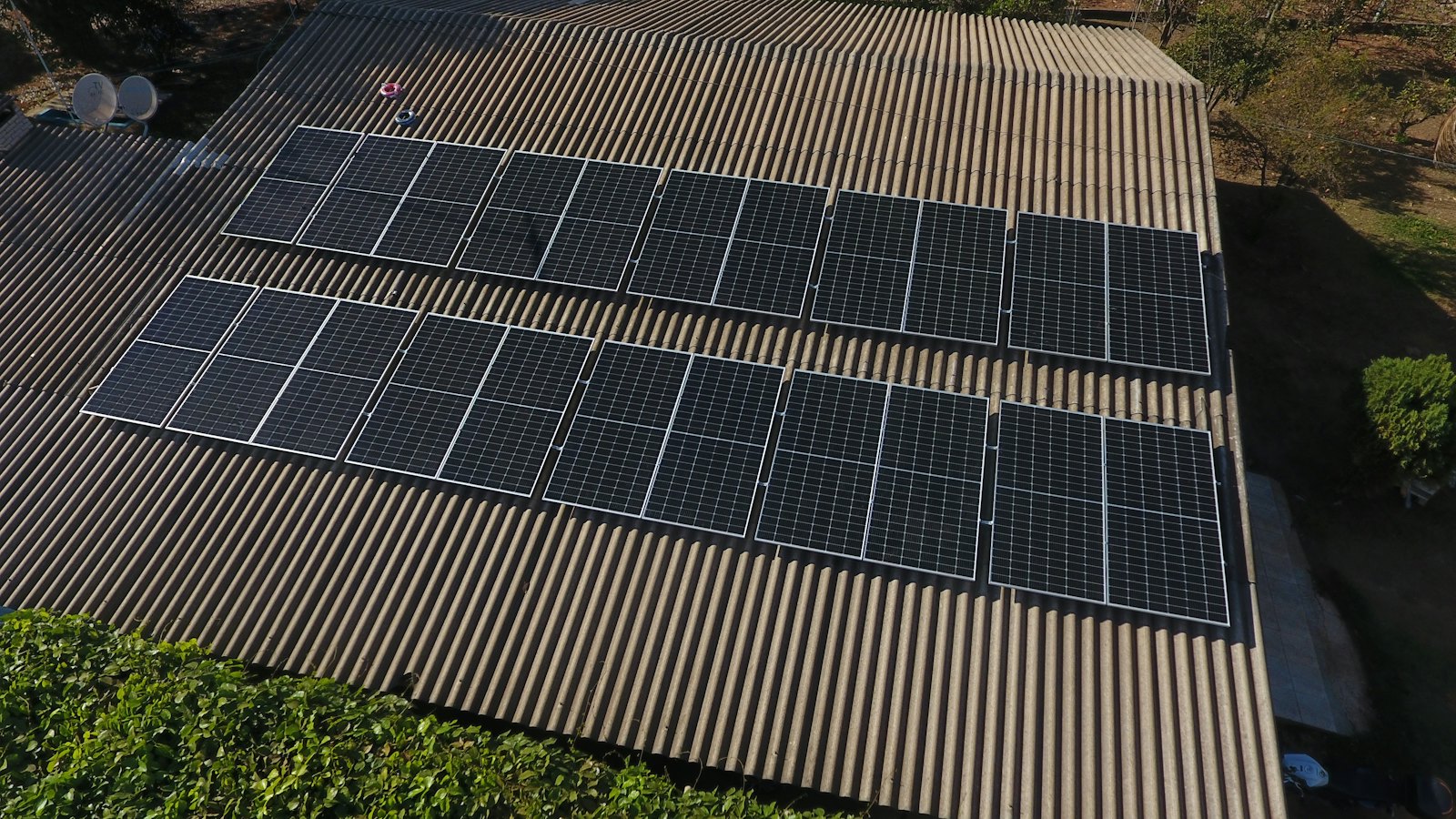
Solidarity with a system under attack. At a joint meeting of the Lithuanian and Ukrainian governments, Lithuania pledged a further EUR 4 million for solar and storage at Ukrainian hospitals, schools and kindergartens. It follows a EUR 5 million tranche that has already delivered 20 installations, with about 80 projects expected across both stages. Lithuania also said it supplied more than EUR 6.3 million of transformers, generators and other equipment in the first months of the year, against more than EUR 10 million in 2025, and that Naftogaz and KN Energies would begin a new stage of cooperation to supply gas to Ukraine via Klaipėda.
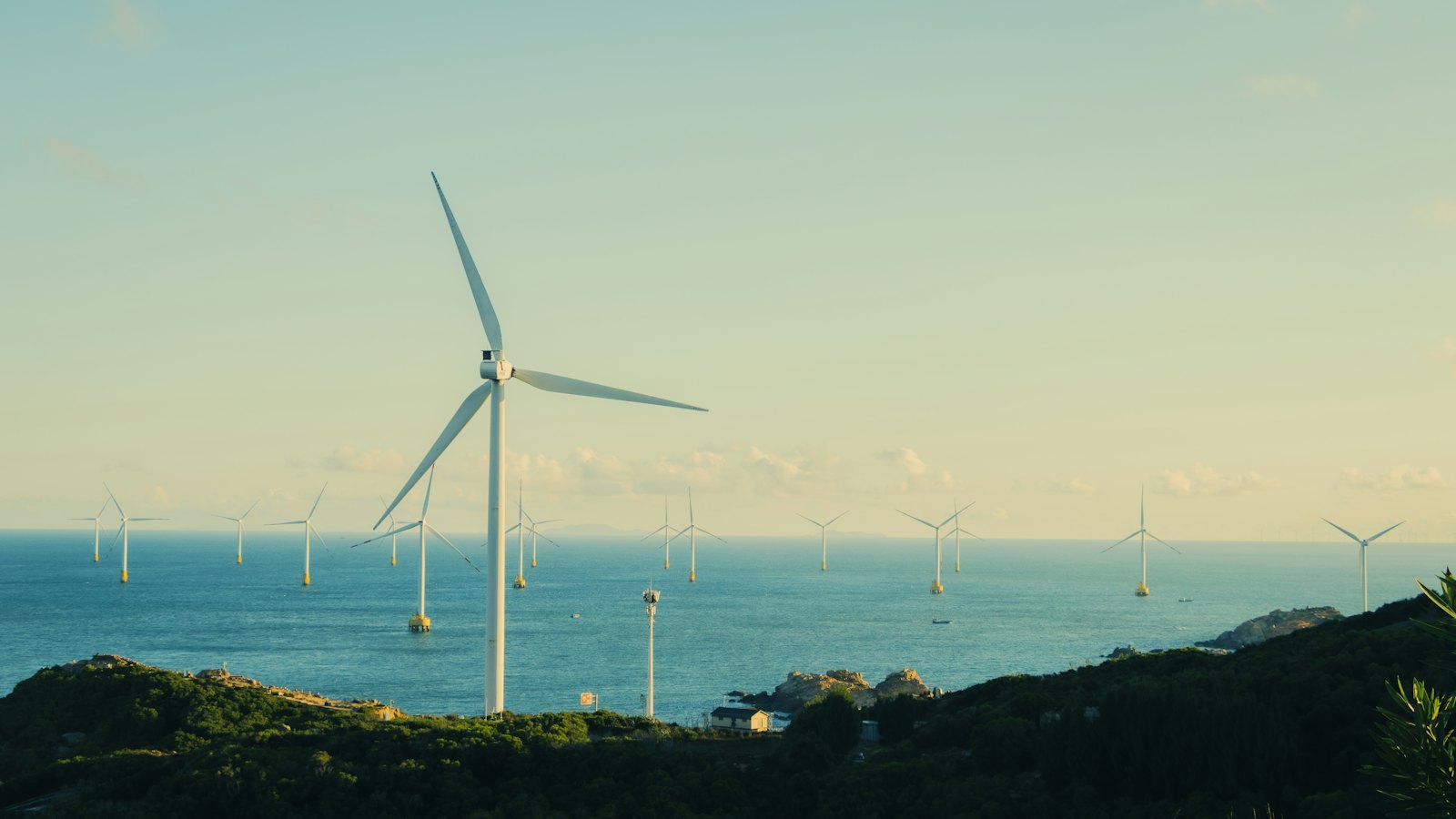
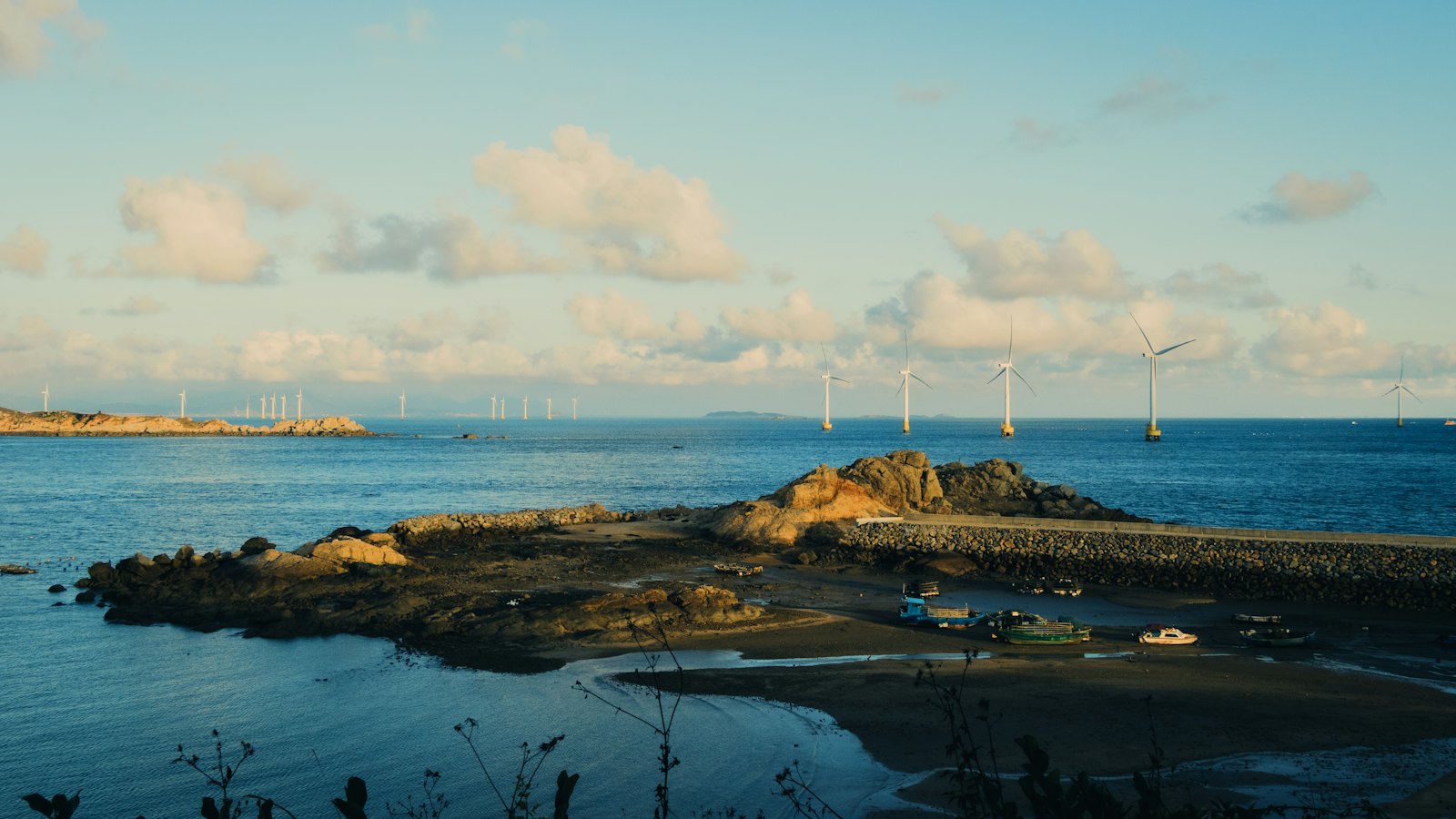
Energy as a defence question. NATO Deputy Secretary General Radmila Shekerinska told the FuelsEurope Conference in Brussels on 10 June that defence depends on uninterrupted fuel and energy supply and called for reducing strategic vulnerabilities and protecting critical energy infrastructure. In the Baltic, that now includes subsea cables, pipelines and offshore wind farms. In late May, a joint statement from the heads of the IEA, IMF, World Bank and WTO warned that the war in the Middle East was straining global energy supplies, with oil inventories being drawn down at a record pace after the loss of supply through the Strait of Hormuz.
The corporate view. At the European Financial Congress in Sopot, mBank’s Michał Popiołek argued that Polish companies should treat energy security as a necessity and invest in their own renewable generation, which he said avoids transmission costs and delivers security at the same time.
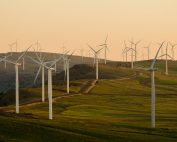
What the pattern suggests. The region is pursuing three things at once: diversified imported gas, support for neighbours at war, and domestic generation as a hedge. They are not alternatives. LNG capacity and Norwegian supply address the next decade of gas demand, while wind, solar and storage reduce exposure to price swings of the kind the IEA and the other institutions described. The open questions are practical: how much of the unallocated Klaipėda capacity is taken up, whether ORLEN’s acquisition clears approval, and whether grid and interconnector build-out keeps pace with new generation. Those are the points to watch as the 2033–2044 contracts and the next allocation rounds take shape.