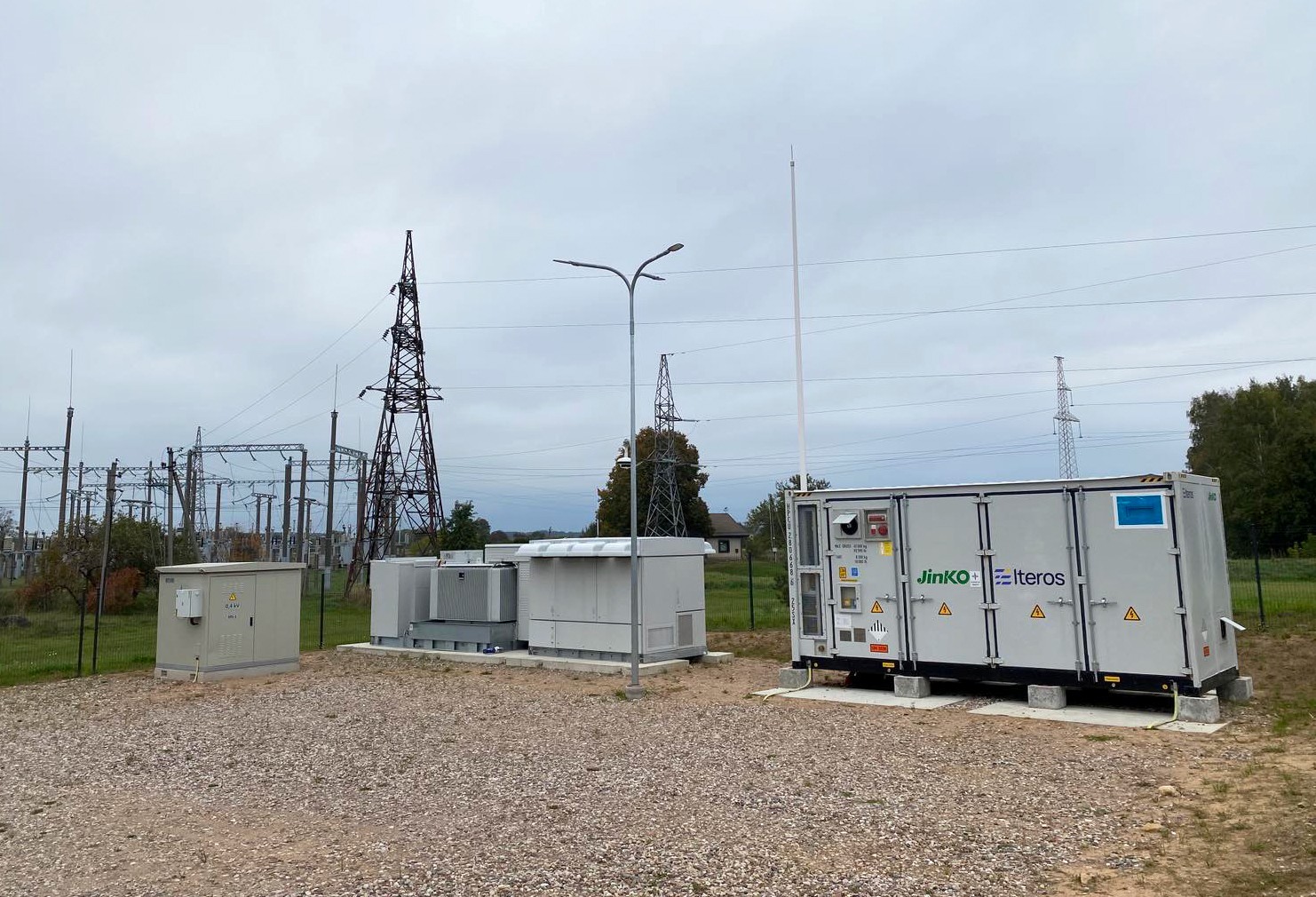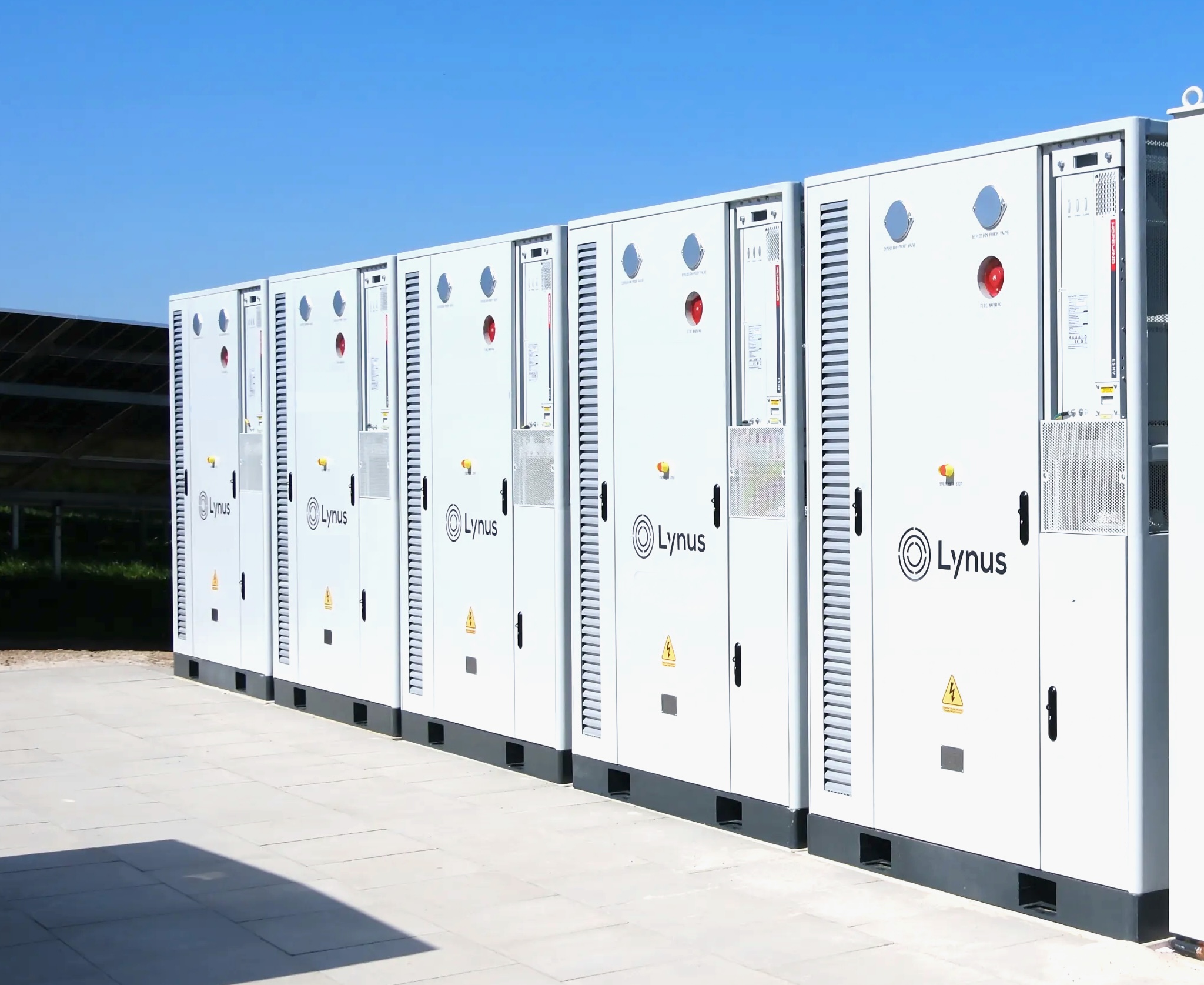
Lynus AG, a subsidiary of Enerfin AG, has begun producing large-scale battery storage systems in Dillingen an der Donau in Bavaria. The product is the BESS Cube 2.0, a modular system with around 800 kWh of usable capacity that is scaled by cascading units. It can be connected on the DC or AC side of an energy project and can also be used as a grid-charging storage system.
The Cube uses lithium iron phosphate cells rated for more than 8,000 full cycles at 80 per cent remaining capacity. Lynus quotes a DC round-trip efficiency of at least 94 per cent at 0.5 C. It is available at 400, 690 and 800 volts, with charge and discharge power of up to 500 kW depending on the version. Each unit occupies just over 5 square metres and weighs about 7.5 tonnes. Liquid cooling and heating regulate cell temperature, and the safety concept includes smoke, gas and temperature sensors, an automatic aerosol extinguishing system and mechanical pressure relief.
Lynus designed the system for retrofitting batteries to existing solar parks as well as for new plants. In new photovoltaic projects the Cube can be connected directly on the DC side through MPPT modules, saving inverters and conversion losses; AC coupling is aimed at existing sites.
The company will sell the hardware together with its own energy management system and multi-market trading of power and flexibility. According to Lynus, the machine-learning-based software is already running in more than 1,500 installations in Germany and Switzerland. “Because we develop and build the BESS Cube 2.0 in Germany, we can respond quickly to project-specific requirements,” said CEO Paul Hauser.
The launch comes as battery storage is becoming a growing part of grid planning in Germany and the Baltic states, where storage is increasingly paired with wind and solar generation.