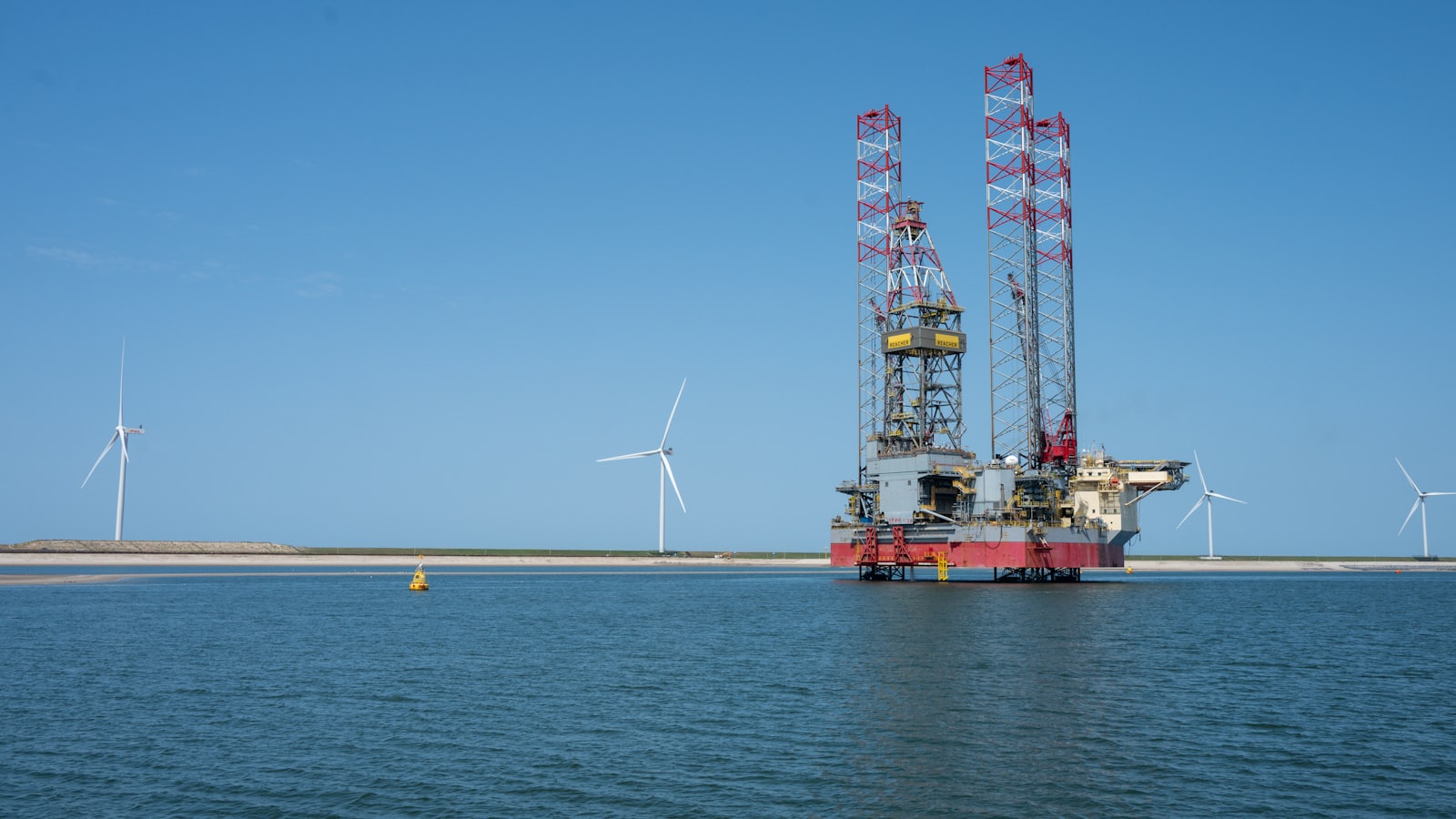
PGE and Ørsted have installed the last of 111 monopile foundations at the Baltica 2 offshore wind farm in the Polish Baltic Sea, closing the campaign on schedule. The total covers 107 foundations for wind turbines and four for offshore substations.
The monopiles measure up to 100 metres in length, between 7.5 and 10.5 metres in diameter, and weigh around 1,900 tonnes each. Installation was carried out by Van Oord using two vessels, the Svanen and the Aeolus. Running both units in parallel allowed the project team to raise installation capacity and reorder offshore work as weather windows shifted.
“Completing the campaign on schedule shows how important thorough preparation and the management of dependencies between successive stages of work are in offshore construction,” said Ulrik Lange, Managing Director Baltica 2 at Ørsted. He added that experience from more than 30 Ørsted offshore projects across three continents helped the team identify bottlenecks before they affected the wider schedule.
Patrycja Kunc-Rozbój, Executive Vice President of the Management Board of PGE Baltica, said the project is currently the largest investment being delivered by the PGE Group, and that onshore works — grid connection facilities and the operations and maintenance base — are progressing in parallel with offshore construction. Maurits den Broeder, Managing Director Offshore Energy at Van Oord, described the campaign as a milestone for Poland’s offshore wind ambitions.
Attention now moves to secondary steel. More than 400 units will be fitted to the completed foundations — anode cages, boat landings and internal and external platforms — with 75 per cent manufactured in Poland. That work is expected to run until the end of 2026. Offshore substations and export cables follow later this year, with inter-array cables and turbines scheduled for 2027.
Baltica 2 is a 1.5 GW joint venture between PGE Polska Grupa Energetyczna and Ørsted, located roughly 40 kilometres off the coast near Ustka. The project holds all required permits and a 25-year contract for difference. First power is expected in the first half of 2027, with full commercial operation planned by the end of that year. Once running, the farm is expected to supply the equivalent of around 2.5 million Polish households.