Estonia’s greenhouse-gas emissions fell to 12 million tonnes of CO₂ equivalent in 2024, down 9% on 2023 and 66.5% on 1990, according to the latest inventory from the Ministry of Climate and the Estonian Environmental Research Centre. The energy sector drove the fall, with its emissions down 16% over the year.
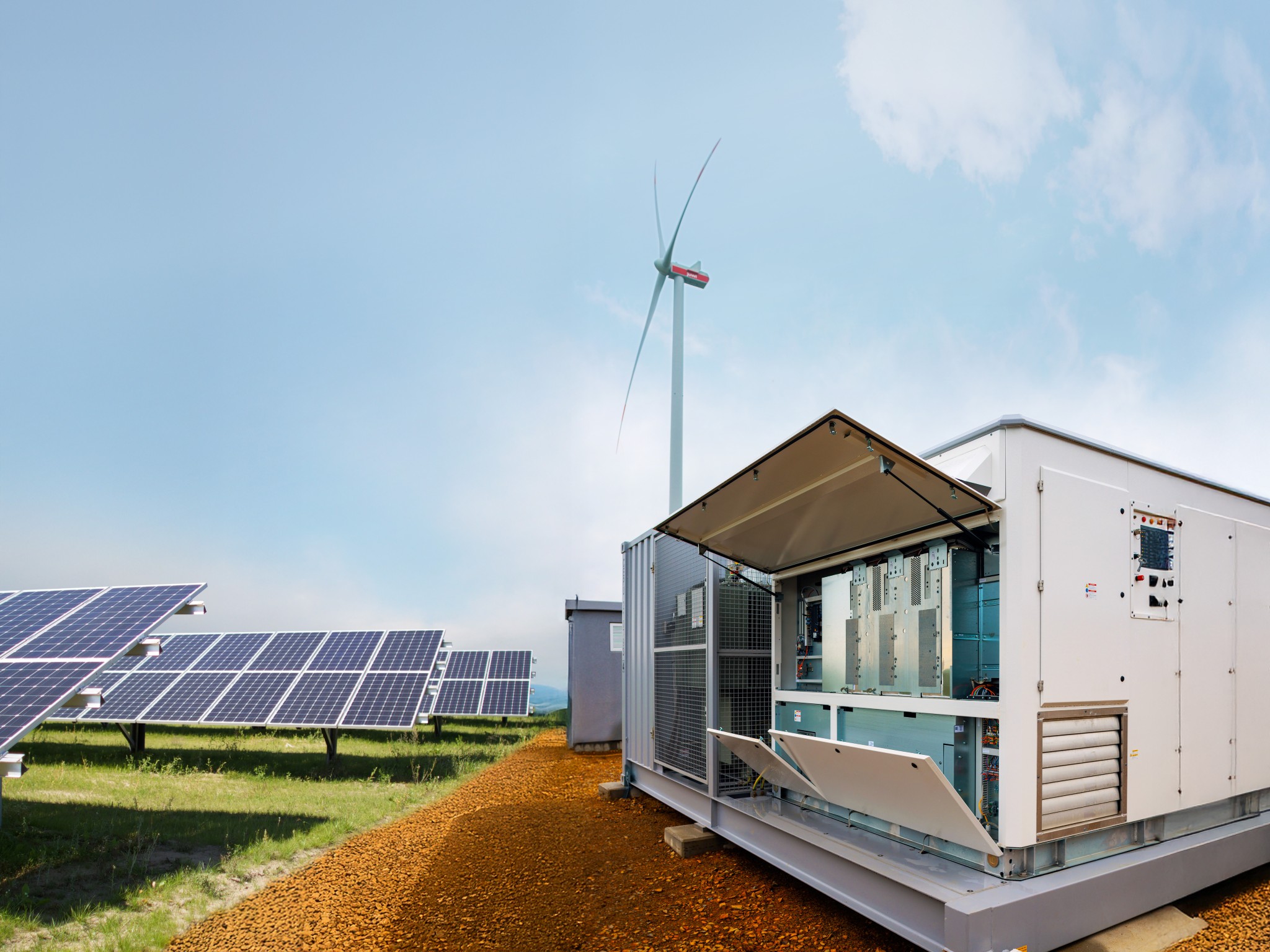
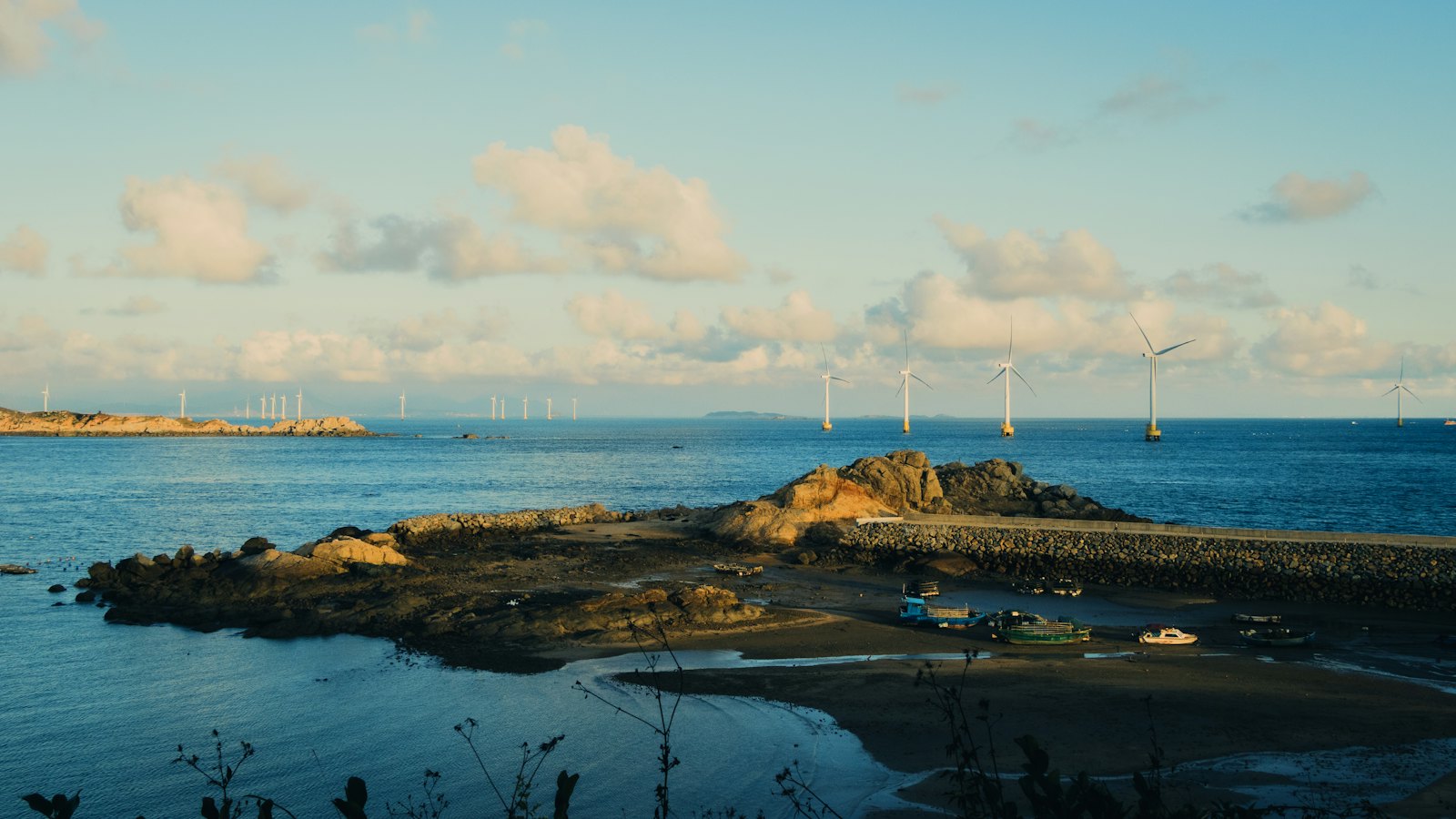
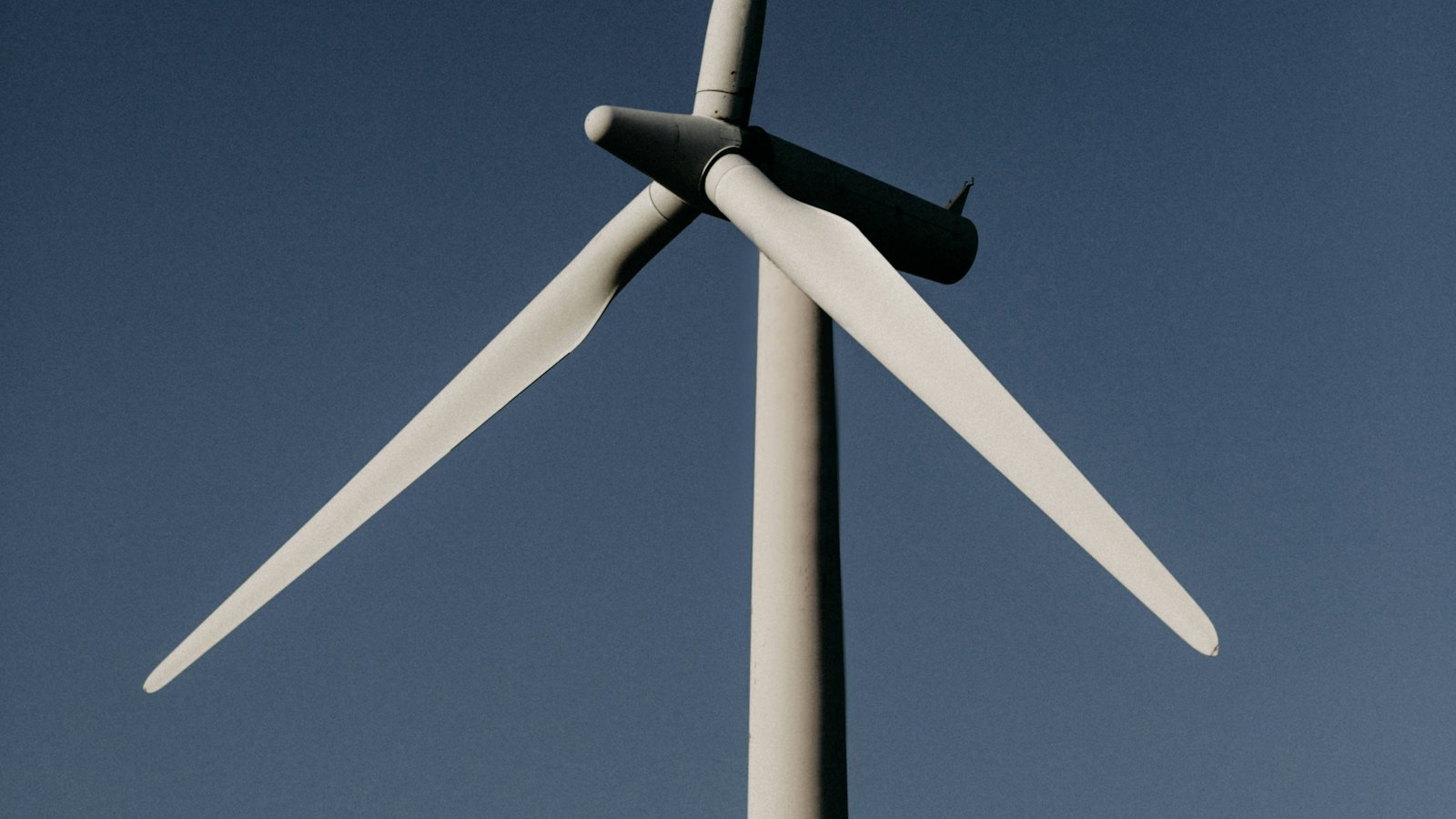
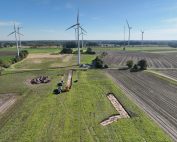
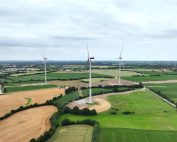
The shift in electricity was pronounced. Generation from fossil fuels dropped from 2,302 GWh to 1,963 GWh, while renewable output rose from 2,607 GWh to 3,398 GWh, an increase of roughly 23%. Deputy Secretary General Kristi Klaas linked the change to falling prices, noting the average electricity market price fell 4% year-on-year, evidence, she said, that the growing role of renewables is helping to lower power costs.
Other sectors moved more slowly. Transport emissions rose 1% and account for 21% of the national total, with road transport making up nearly 95% of that; heavy-vehicle mileage grew 22% even as liquid biofuel use rose 23%. The land-use and forestry sector cut net emissions by 23.5%, mainly on lower logging, while agriculture rose 2% and the shale-oil industry fell 7.5%.
For a country historically reliant on carbon-intensive oil shale, the trajectory is significant, and the link the ministry draws between renewable growth and lower wholesale prices is the kind of evidence Baltic policymakers will cite as they push further electrification. Methodological changes are applied retrospectively across the full time series to keep the data comparable year to year.