NextOcean, a Dutch supplier of offshore vessel motion prediction technology, has been awarded a contract to fit its WavePredictor system, hardware and software, to the service operations vessel ESVAGT NJORD. The Delft-based company announced the contract on 27 August; installation is scheduled for this month.
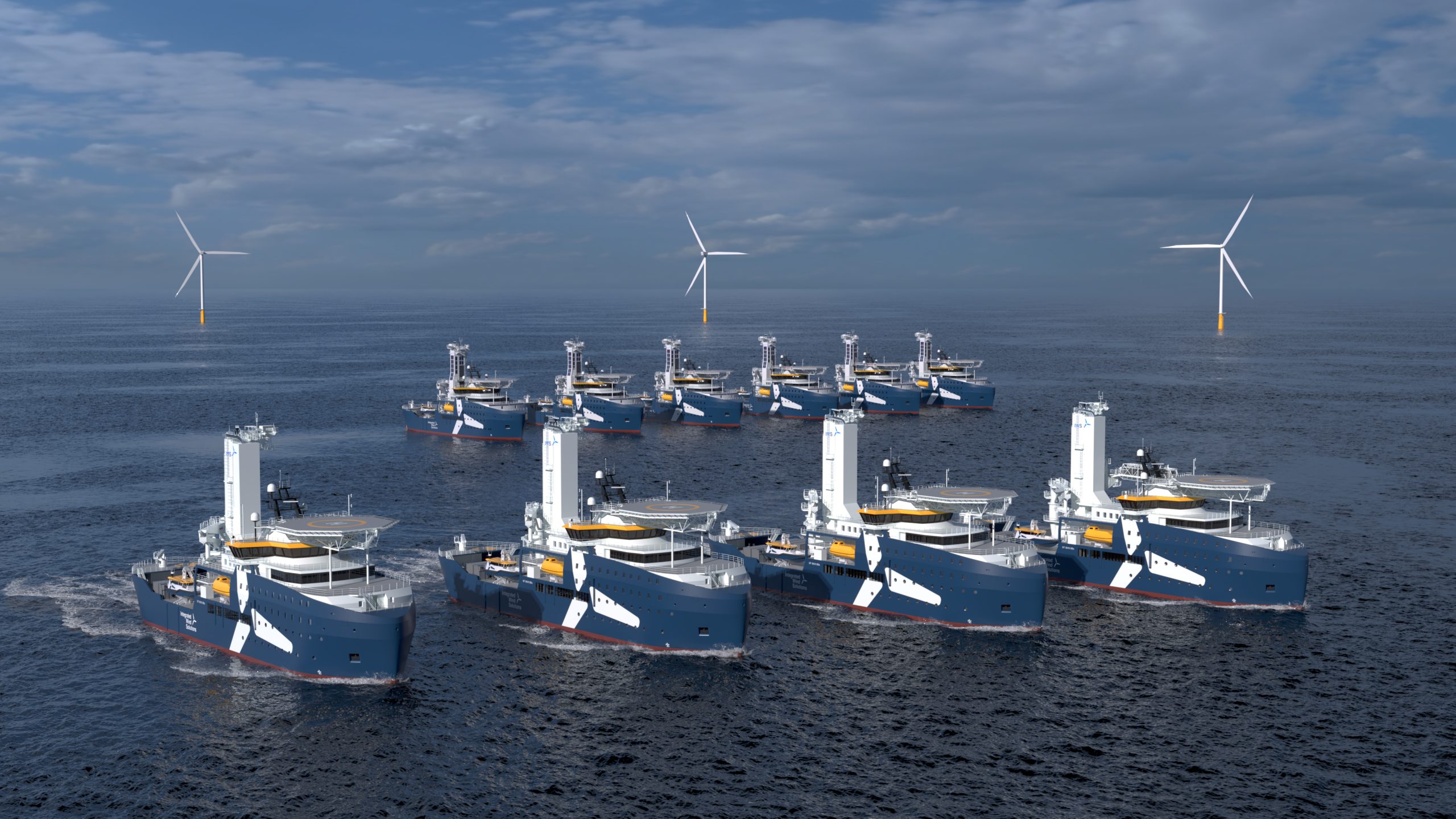
WavePredictor uses a motion radar to give crews advance insight into how the vessel will move, with the aim of making gangway transfers safer and decision-making more reliable in difficult sea states. The ESVAGT NJORD carries out operations and maintenance work at the Dudgeon offshore wind farm off the Norfolk coast in the United Kingdom.
"On an SOV, the crew makes dozens of go/no-go calls a day," said Karel Roozen, chief executive of NextOcean. "Our system shows the officer on watch what the vessel is going to do in the coming minutes, so that call is backed by verified predictions and not by feel alone. On a field like Dudgeon, where technicians need to get onto the turbine as often as the weather allows, that means both safer transfers and more workable days."
The economics behind that claim are straightforward. Service operations vessels are among the largest recurring costs in offshore wind operations, and the number of days on which technicians can safely step from a moving gangway onto a turbine determines how much maintenance actually gets done. Narrowing the uncertainty around a transfer window is therefore a direct lever on both safety and availability.
NextOcean grew out of doctoral research by Peter Naaijen at Delft University of Technology and was founded as a company in 2016 together with Roozen. Its systems are now in use on vessels in several markets.
ESVAGT is a Danish shipping company founded in 1981, operating a fleet of more than 40 offshore support vessels with around 1,400 employees. It works in both the wind and the oil and gas sectors, and is one of the established SOV operators serving northern European offshore wind, a segment that will grow as Baltic Sea projects move from construction into long-term operation.