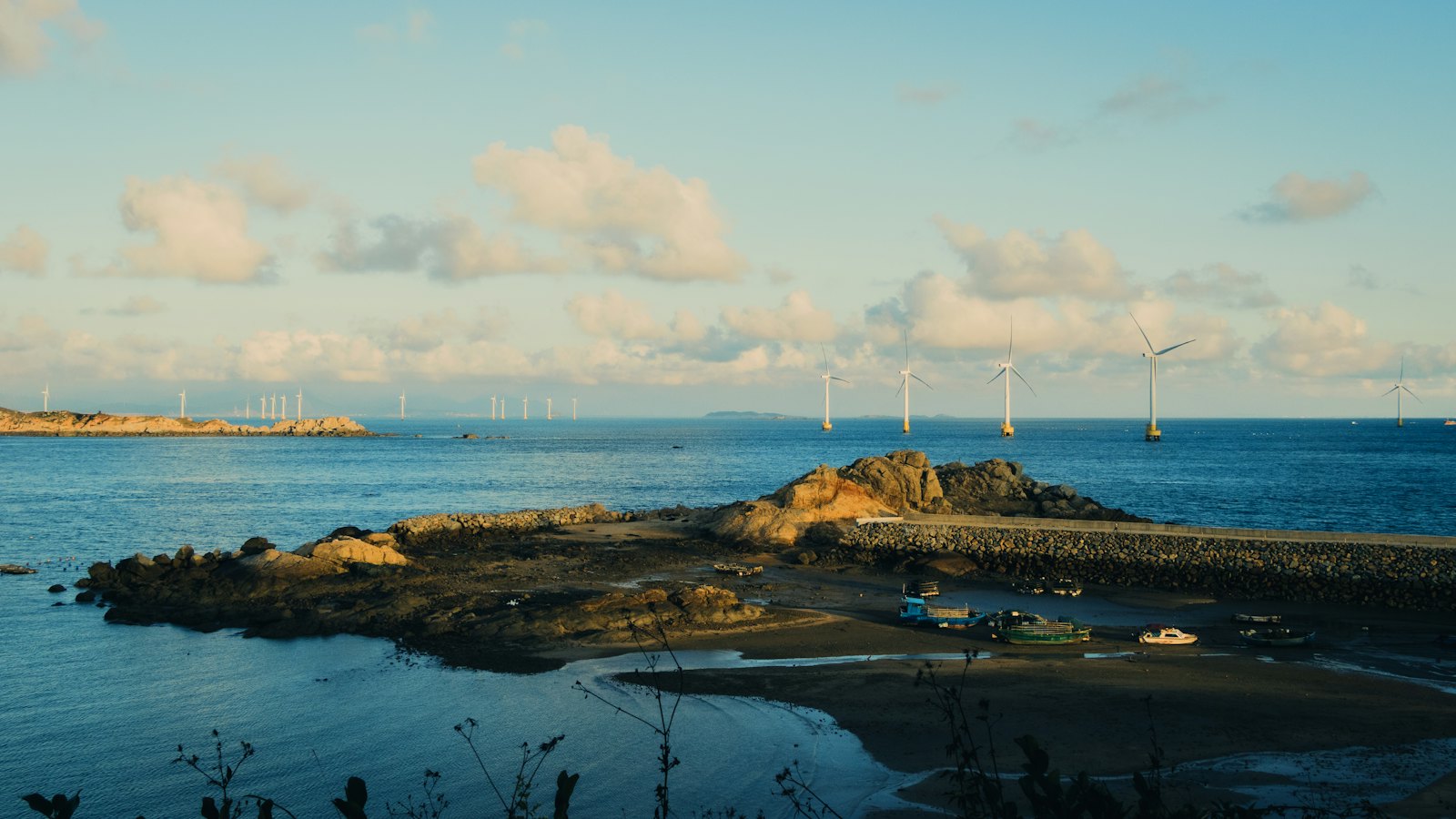
Protection of energy infrastructure in the Baltic Sea region is not a single capability. It is assembled from mine countermeasures on the seabed, anti-submarine patrols in the water column, layered air and missile defence over land, and a defence-innovation pipeline that is only now producing candidates for deployment. Each layer is funded from a budget written before offshore wind farms, export cables and interconnectors became assets worth defending.
The seabed layer. Between 1 and 13 May 2026, navies from eight nations cleared legacy ordnance off the coast of Latvia in Exercise Open Spirit 2026. The exercise assembled nine diving teams and five autonomous underwater vehicle teams alongside ships from eight nations, with close to 400 personnel taking part. Standing NATO Mine Countermeasures Group 1 led it, with the Polish Navy vessel ORP Kontradmirał Xawery Czernicki as flagship, and the work was coordinated with Sweden’s national exercise Aurora 26. Commander Kacper Sterne of the Polish Navy, the group’s commander, said Open Spirit offered “an ideal opportunity to enhance capabilities in detecting and countermining sea mines from past conflicts” while training the full mine countermeasures chain.
Unlike most military exercises, Open Spirit leaves a physical result behind: every mine located and neutralised is one fewer obstacle on the seabed. That matters commercially as well as militarily. Ordnance left from both World Wars sits along the same corridors that cable-laying vessels and foundation installation barges have to cross, and survey and clearance costs are a real line item in Baltic offshore project budgets.
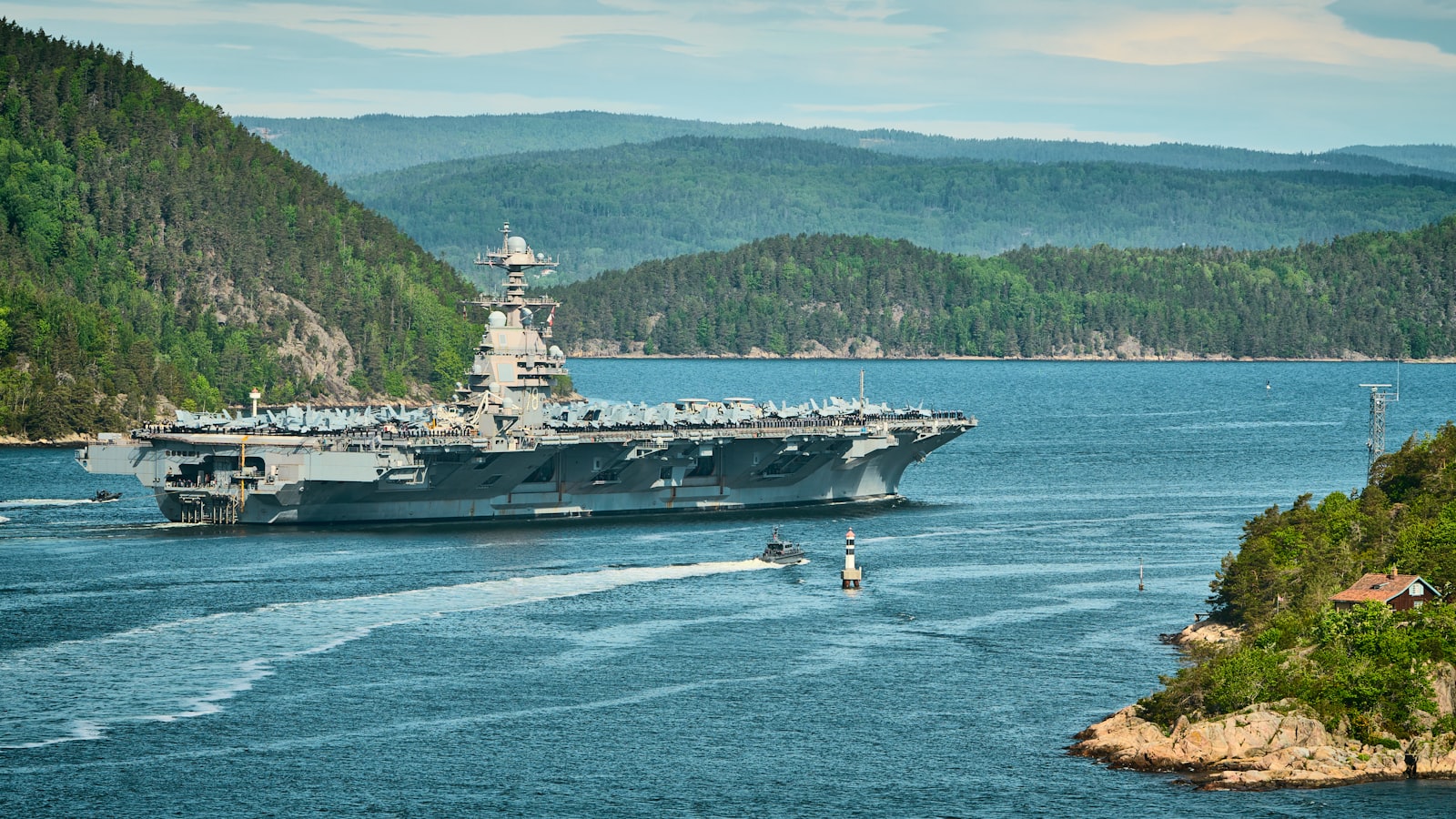
The water column. NATO’s largest annual anti-submarine exercise, Dynamic Mongoose 2026, concluded on 29 May in the Norwegian Sea, with forces from nine Allied and Partner nations under Norwegian host command. Led by Allied Maritime Command, it integrated submarines, surface ships, helicopters, maritime patrol aircraft and autonomous systems, and ran as part of Arctic Sentry, NATO’s framework for presence in the Arctic and High North. Commodore Maryla Ingham of the Royal Navy, commanding Standing NATO Maritime Group 1, said the exercise “proved the successful integration of advanced capabilities and technologies” against live submarines.
The Norwegian Sea is not the Baltic, but the standing groups rotate between them and the skills transfer directly. Detecting a quiet submarine near a cable route is the same problem as detecting one near a convoy, and the shallow, crowded, heavily instrumented Baltic is in some respects the harder environment.
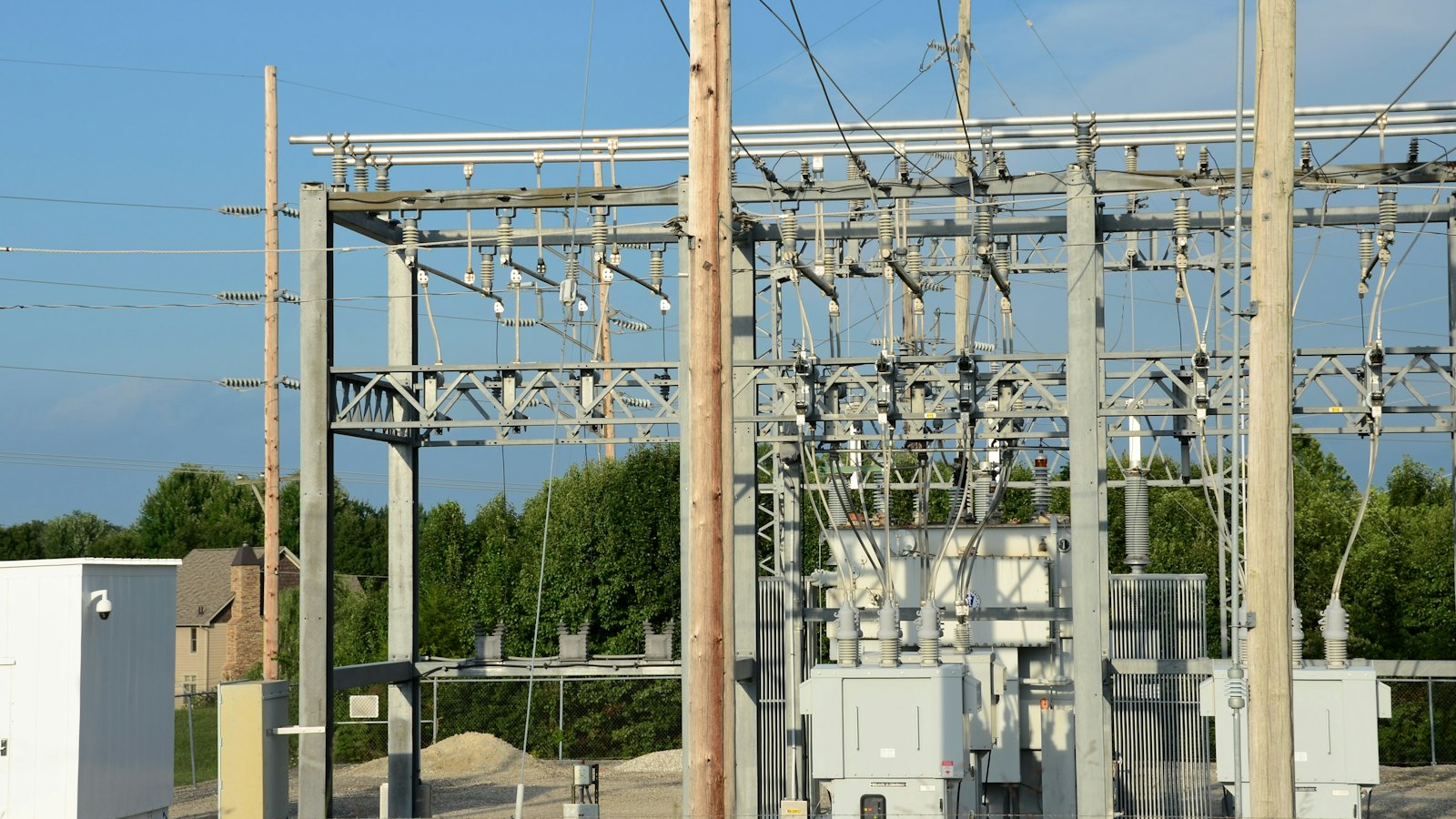
The air layer. Poland hosted the third Regional IAMD Coalitions Conference at the Military University of Technology in Warsaw on 21 and 22 May 2026, under the honorary patronage of Deputy Prime Minister and Minister of National Defence Władysław Kosiniak-Kamysz. Integrated air and missile defence has become one of the most actively debated subjects on NATO’s eastern flank, and the conference split into an industrial track on defence manufacturing capability and equipment lifecycle management, and a scientific track producing a peer-reviewed monograph on ballistic missile defence. Poland has invested in Patriot batteries and short-range systems, hosts the forward headquarters of V Corps, and has increased interoperability with Baltic and Nordic partners. For the energy sector the relevance is concrete: substations, converter stations and onshore landing points are fixed, high-value and hard to disperse.
The innovation layer. On 22 January 2026 the NATO DIANA UniLab Defence acceleration site opened in Riga, with six startups from Canada, Slovenia, Norway and the United Kingdom beginning a six-month programme in Latvia. Of roughly 150 startups admitted to the DIANA programme in the first half of 2026, six are working in Latvia. UniLab was founded jointly by Riga Technical University, the University of Latvia, Latvia University of Life Sciences and Technologies and Rīga Stradiņš University, with a defence and dual-use track added in 2025 with support from the Ministry of Defence. “For Latvia, this is an opportunity to attract top-level defence and military industry experts from around the world,” said Andris Baumanis, head of UniLab Defence. A Latvian startup, Deep Space Energy, is running its own DIANA acceleration in Poland.
The unresolved question is who pays. At the 2025 NATO Summit allies agreed that up to 1.5% of GDP may be allocated to broader security-related spending — an annual figure the think tank E3G puts close to €200 billion for North Seas NATO members alone. In a report published ahead of the Hamburg North Seas Summit in January 2026, E3G argued that part of this should finance a security-by-design approach to energy infrastructure: dual-use assets, and existing wind farms upgraded with surveillance and protection equipment. That report addresses the North Seas rather than the Baltic, and its recommendations were aimed at a different summit table. The spending envelope it draws on, however, is alliance-wide, and the Baltic case for dual-use infrastructure is at least as strong.
What the absence of protection looks like. Since September 2024, Lithuania’s Ignitis Gamyba has allocated €1.1 million in humanitarian aid towards restoring Ukraine’s war-damaged energy infrastructure, dispatching 145 lorries carrying 2,681 tonnes of equipment from the Vilnius TE-3 combined heat and power plant. The European Commission has described the wider effort as the largest logistical operation it has coordinated. Lithuanian Energy Minister Žygimantas Vaičiūnas said the relocation of a full thermal plant with combined heat and electricity capacity of nearly 1,000 MW, through the EU Civil Protection Mechanism, was “a powerful example of solidarity and cooperation”. TE-3 stopped principal operations in 2015 on cost grounds; the equipment had been preserved and was still serviceable.
What to watch. Three things will show whether these layers are converging into a system rather than accumulating as separate line items: whether the dual-use financing rules under NATO’s 1.5% envelope are actually written in a form that offshore developers can use; whether clearance data from exercises such as Open Spirit reaches the survey teams planning cable routes; and whether the DIANA cohorts in Riga and Warsaw produce anything a grid operator can procure. Until then, Baltic energy infrastructure is defended by capabilities that were built for other purposes and are being retasked, competently but incidentally, to protect it.