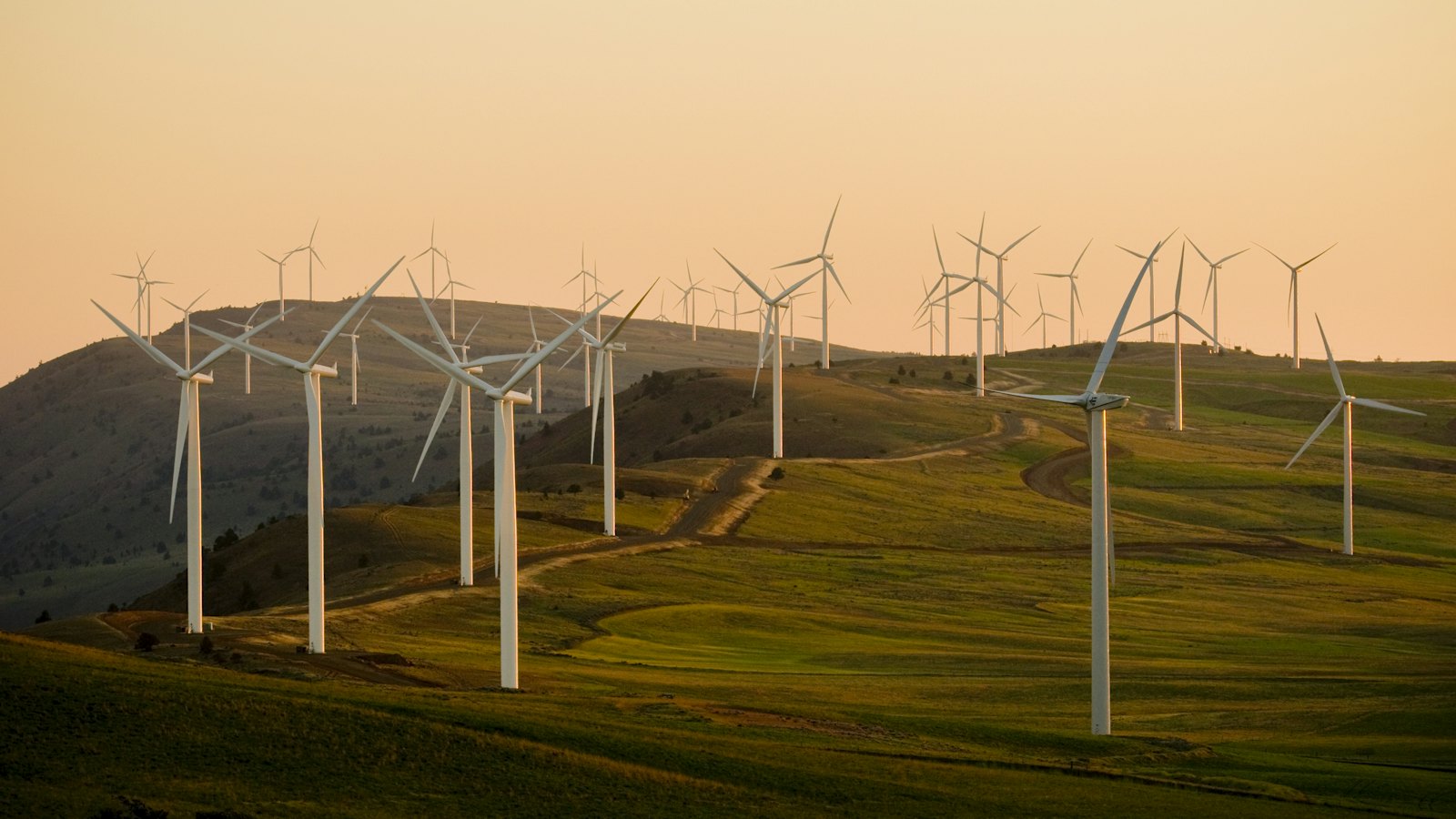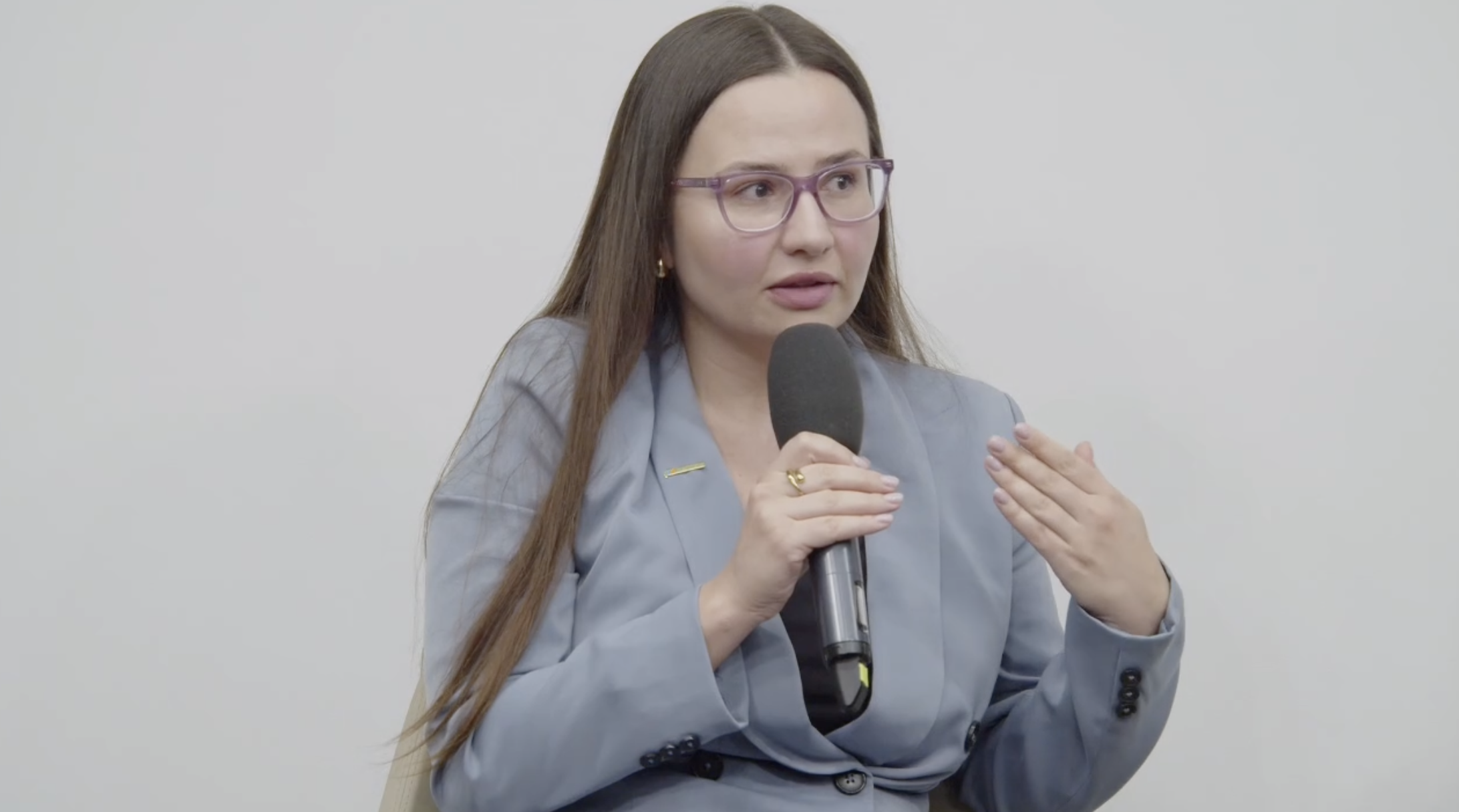
Local communication around wind projects now begins long before any formal procedure — but residents tune out the facts until they hear what they personally gain, Agnieszka Pakula, public affairs manager at Iberdrola Renewables Polska, told a Warsaw debate on energy disinformation.
The approach has changed markedly, Pakula said. Where developers once opened the conversation only when the statutory procedure began — a change to the local spatial-development plan, which requires at least two public consultations — they now run education campaigns first. Iberdrola, she said, meets mayors and councillors before anything else, distributes leaflets, sets up information points where residents can talk to the company individually, brings in scientists and builds relationships with local media.
Yet the decisive factor, she argued, is benefits. Many residents stay closed to any facts about health or the environment until they hear about concrete local gains — municipal taxes, dedicated funds, and the company’s own participation fund aimed at those living closest to the turbines. Only then, she said, do they become willing to listen to an expert, a scientist or the mayor. ‘Paradoxically, to talk about the myths at all, we first have to talk about the benefits.’
Opponents, Pakula noted, are usually a small but highly active minority. Local referendums on wind farms often fail to reach the turnout threshold; in one case in the Glubczyce area, around 30 per cent took part, mostly in the villages where turbines were planned, while the rest of the municipality showed little interest.
The pressure of time works against developers. Local conflicts can flare quickly, and councils come under pressure to adopt a resolution — or at least pledge that no wind farms will be built during their term — long before patient communication can take effect. The stakes, speakers noted, are not only local: onshore wind represents a major investment, supply chain and tax base that simply will not materialise where projects are blocked.