A new report has mapped the dozens of cooperation platforms that shape security in the Baltic Sea region, aiming to give governments a clearer picture as they consider reforming how the area coordinates against shared threats. Compiled at the initiative of Poland’s Ministry of Foreign Affairs with the support of the Council of the Baltic Sea States (CBSS), the study reviews not only the mandates and structures of these formats but also what they actually do.
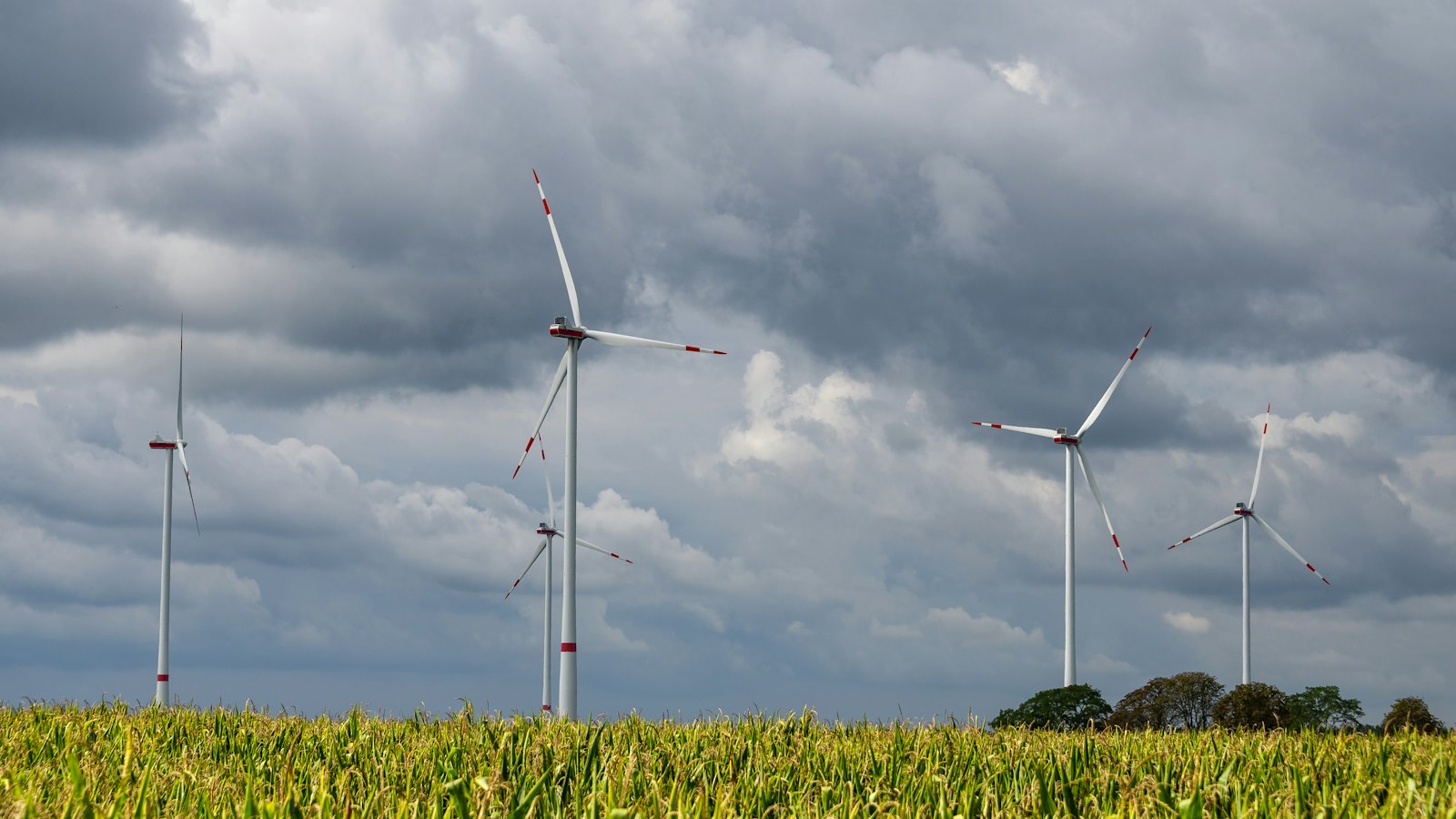
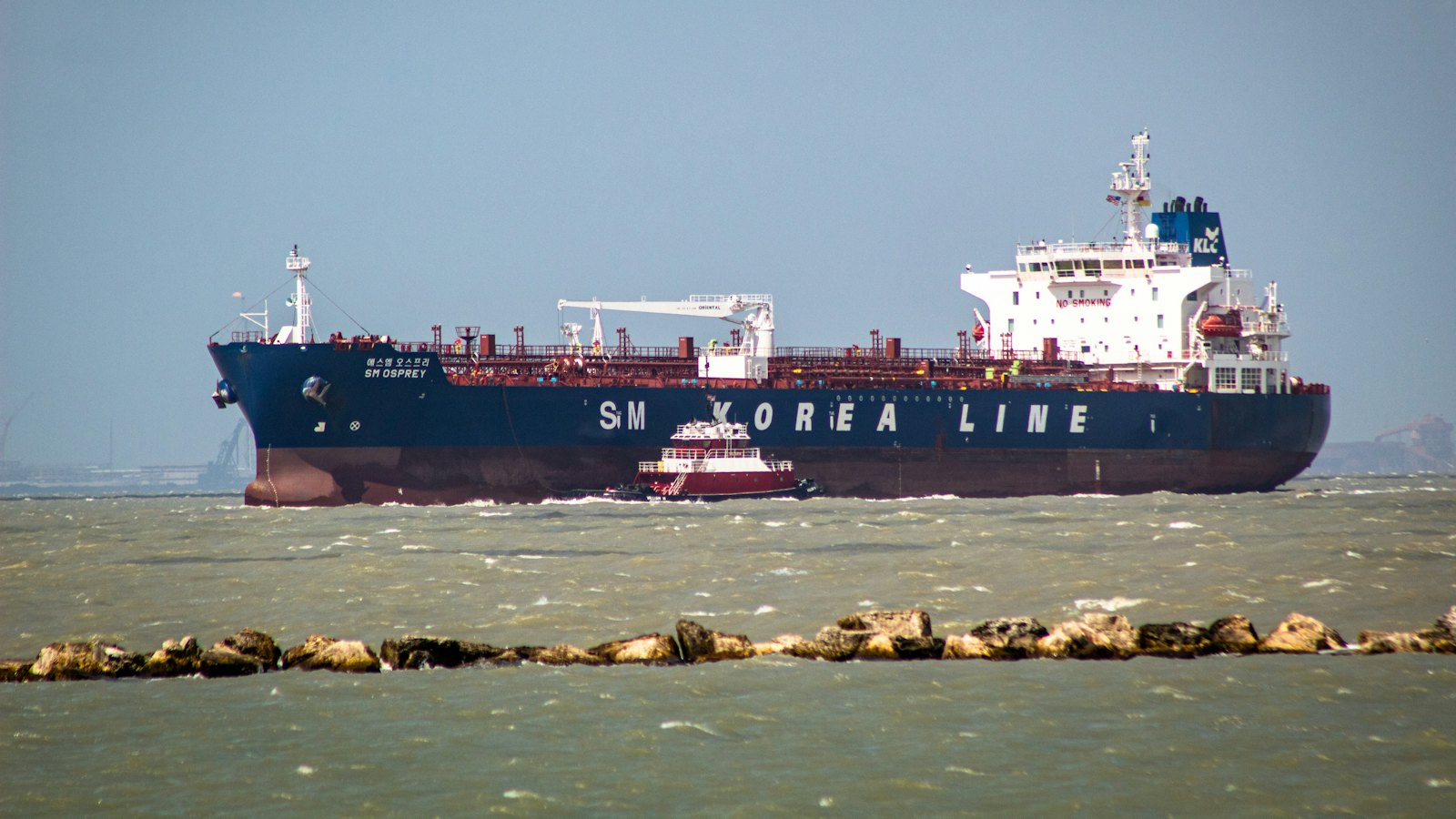
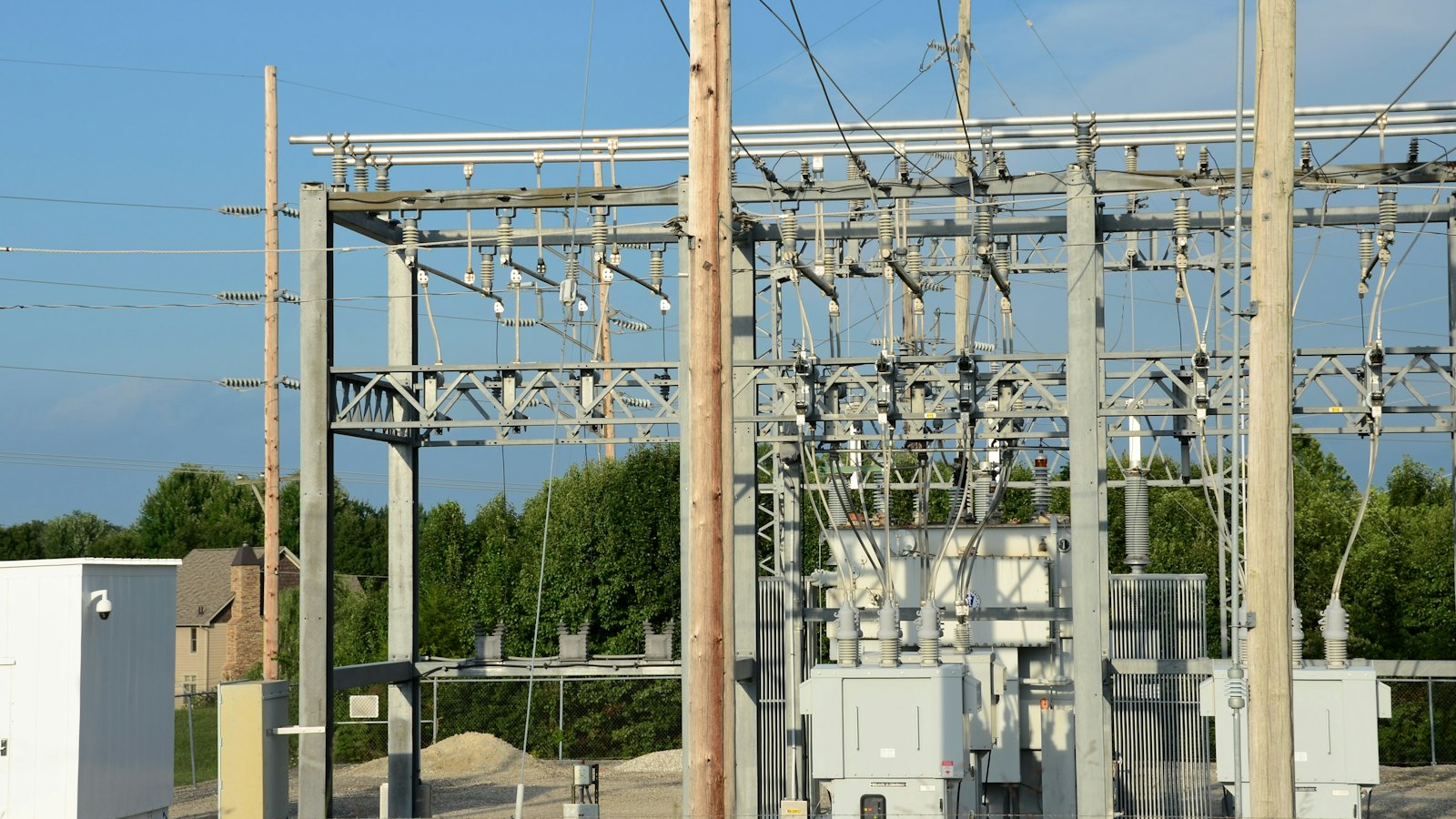
The report groups cooperation into two broad fields. The first covers defence, security and foreign policy, including exclusive Nordic and Baltic formats. The second, sectoral cooperation, is where the study is most relevant to energy: it examines the protection of critical maritime infrastructure, efforts to counter Russia’s “shadow fleet”, energy security, civil protection, the safety of air and maritime navigation, and hazardous materials on the seabed. For a sea now dense with power cables, pipelines and offshore wind farms, that overlap between security and energy is increasingly hard to separate.
The work responds to a reform push already under way. At their ministerial session in Vihula in May 2025, CBSS foreign ministers endorsed reshaping the organisation into a format more focused on security challenges, in line with the Ilves–Landsbergis report on the council’s future. The resulting Vihula Declaration, together with shared interests in resilience against threats to societies, critical infrastructure and navigation, has guided Poland’s CBSS presidency, which began on 1 July 2025.
The report closes with general, short-term and medium-to-long-term recommendations for the CBSS, framed as a contribution to the reflection on how the organisation should evolve. For the Baltic offshore sector, the exercise is a reminder that the institutions meant to safeguard the region’s infrastructure are themselves being redrawn — and that energy security is now firmly on that agenda.