Gas transmission operators Gasgrid Finland and Nordion Energi, together with developers OX2 and Copenhagen Infrastructure Partners, have agreed to investigate a large-scale offshore hydrogen pipeline across the Baltic Sea. The project, the Baltic Sea Hydrogen Collector (BHC), would connect Finland, Sweden, the Finnish Aland islands and Germany by 2030, with possible links to energy islands such as Gotland and Bornholm.
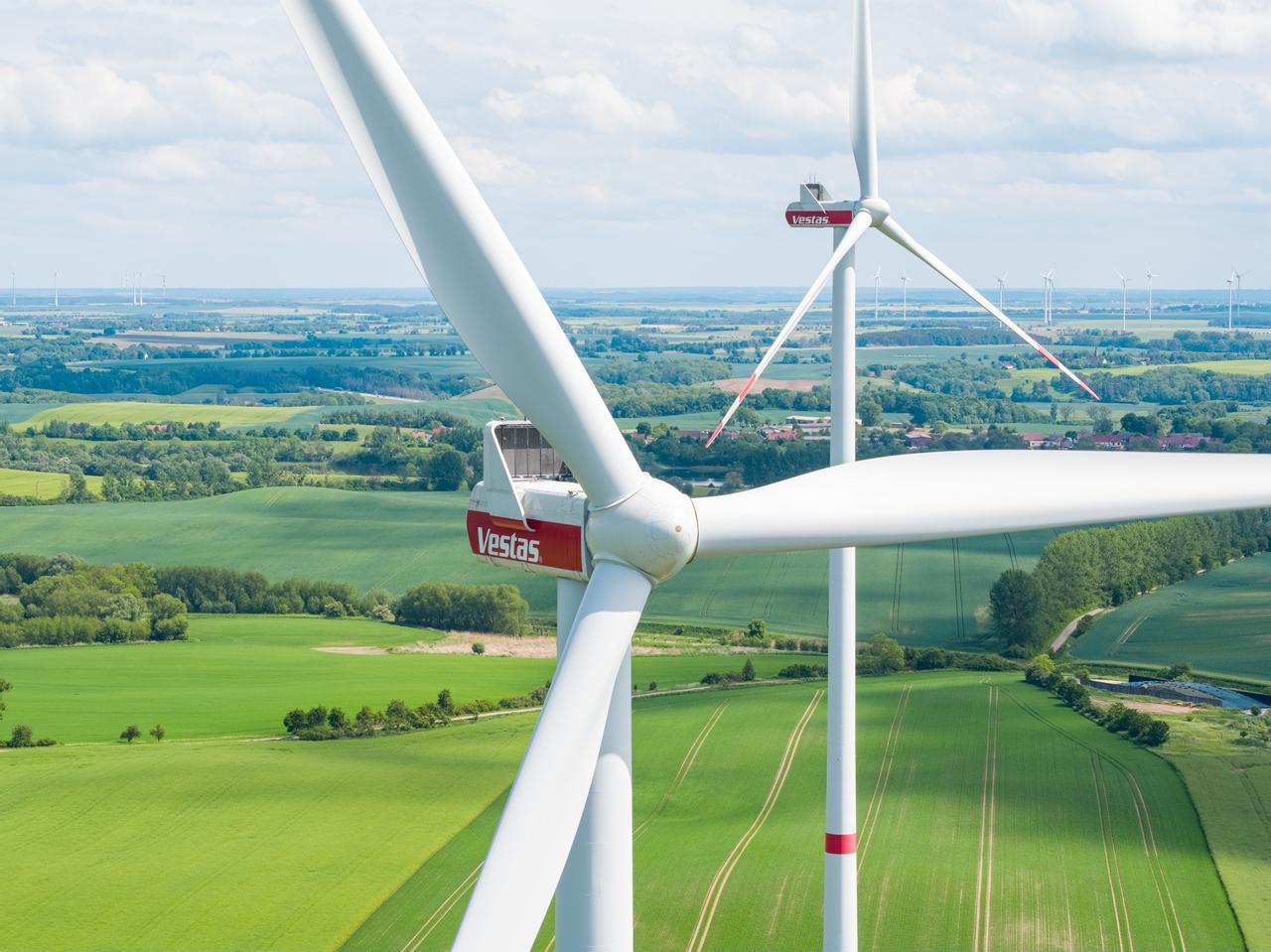
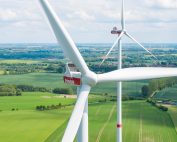
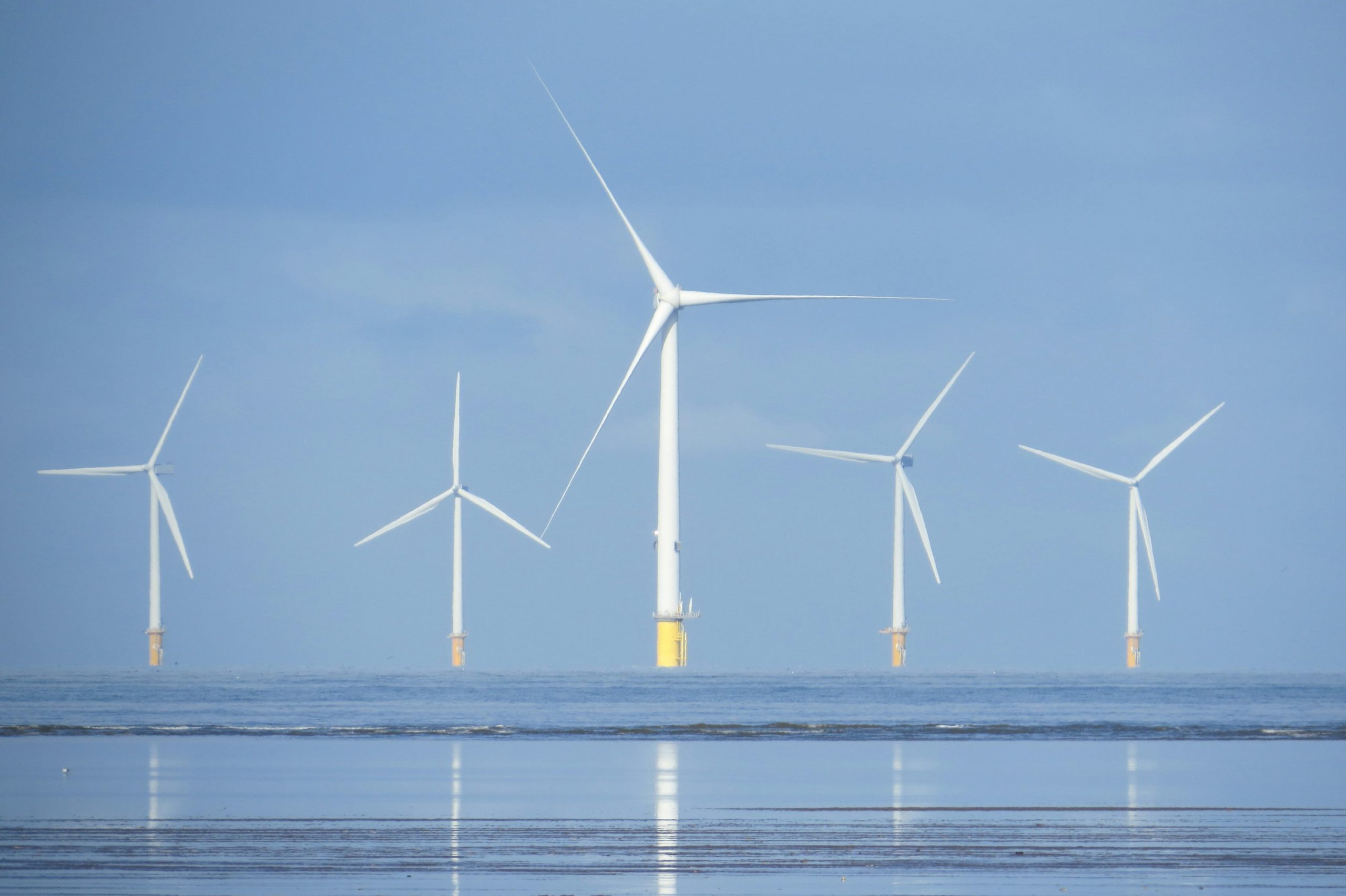
The aim is to turn the region’s offshore wind potential into a working hydrogen market. The Baltic basin has strong wind resources and, according to the partners, could supply up to 55% of the clean-hydrogen target set out in the EU’s REPowerEU plan. A pipeline gives producers and industrial users a guaranteed route from supply to demand, which the companies argue is a precondition for investment in new hydrogen value chains.
The initiative sits within the European Hydrogen Backbone, a vision drawn up by 31 gas infrastructure companies, and builds on the political commitments of the 2022 Marienborg Declaration, in which eight Baltic states set a combined offshore wind ambition of at least 19.6 GW by 2030 and recognised potential of up to 93 GW across the basin.
For the Baltic, the BHC is significant because it addresses the question that usually follows any offshore wind target: where does the power go when the grid is full. Linking generation in the Gulf of Bothnia and the wider Baltic to hydrogen offtake in the Nordics, the Baltics and Central Europe would give the region’s wind a flexible second market and strengthen security of supply. The study stage will determine whether the economics hold.