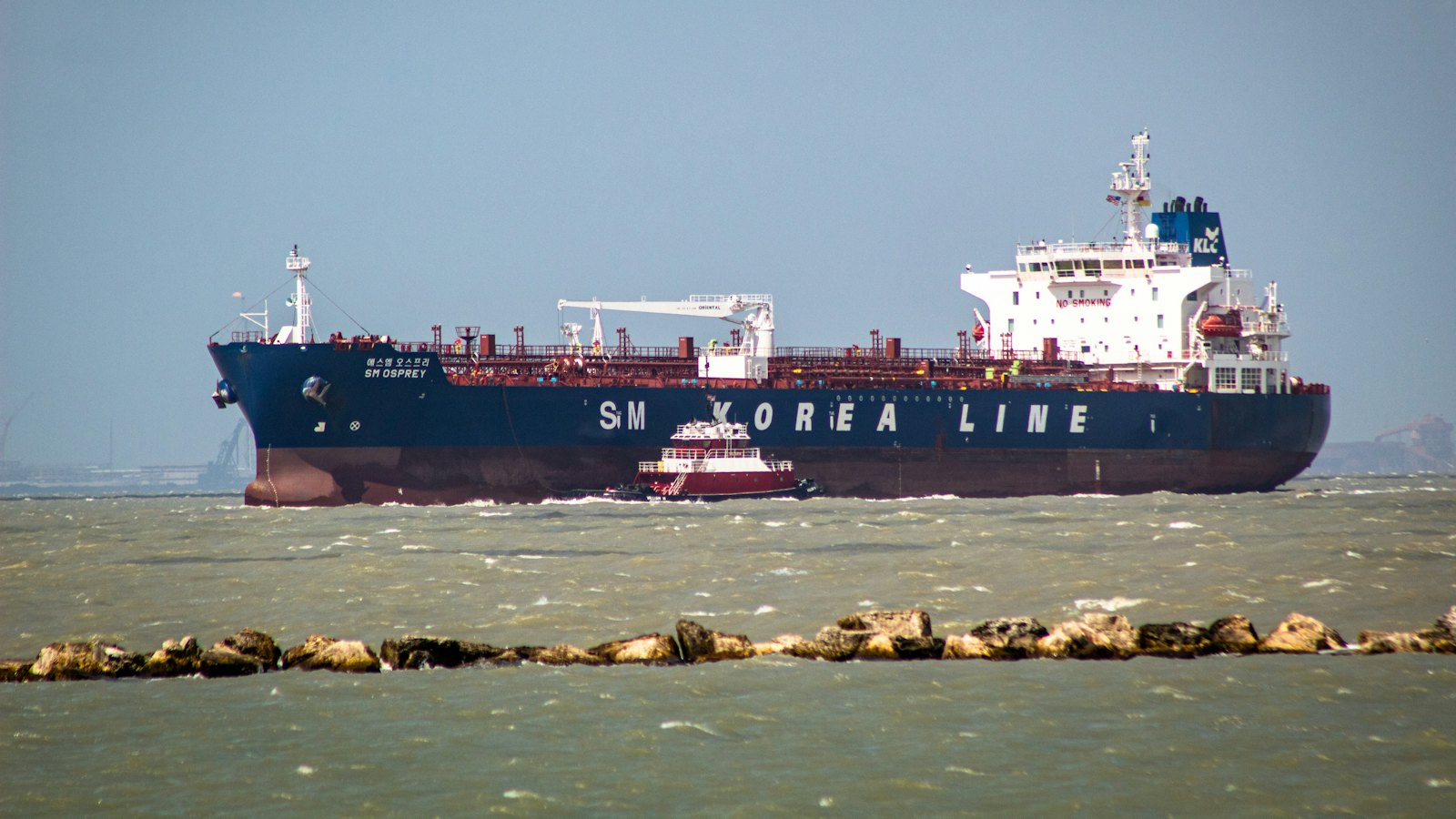
Cyberattacks, infrastructure sabotage and the activities of Russia’s so-called shadow fleet are turning the Baltic Sea into one of Europe’s most sensitive security areas, and offshore wind is increasingly treated as strategic infrastructure rather than a purely climate project. According to the Polish Wind Energy Association (PSEW), energy security, critical-infrastructure protection, cybersecurity and system resilience are among the dominant themes of its PSEW 2026 conference, held 8–10 June in Świnoujście.
Offshore farms in Poland already face strict defence and border-protection requirements. Investors must prepare expert assessments of a project’s impact on radar, surveillance, radio communications and air-traffic systems used by the armed forces and Border Guard, and have them approved by the defence and interior ministries before a building permit is issued; the cost of any compensatory or additional security measures falls on the investor.
PSEW president Janusz Gajowiecki said legislation now in progress would formally recognise offshore wind farms as critical infrastructure, bringing new obligations for physical and cyber security, crisis management and threat monitoring. In practice, operators would have to deploy systems to detect and record nearby vessels, underwater objects and drones, with substations and cabling given particular protection.
Poland sits among the most cyber-targeted states in the region, with public bodies recording up to several thousand incidents a week in 2025, the association noted, though no serious disruption to energy infrastructure has resulted from a successful attack to date. PSEW argues the sector does not start from zero: investors, transmission operators and the administration have spent years building shared security procedures, and NATO’s “Baltic Sentry” activity has stepped up patrols and undersea monitoring. The conclusion the association draws is that the future of offshore will hinge as much on resilience as on technology and financing.