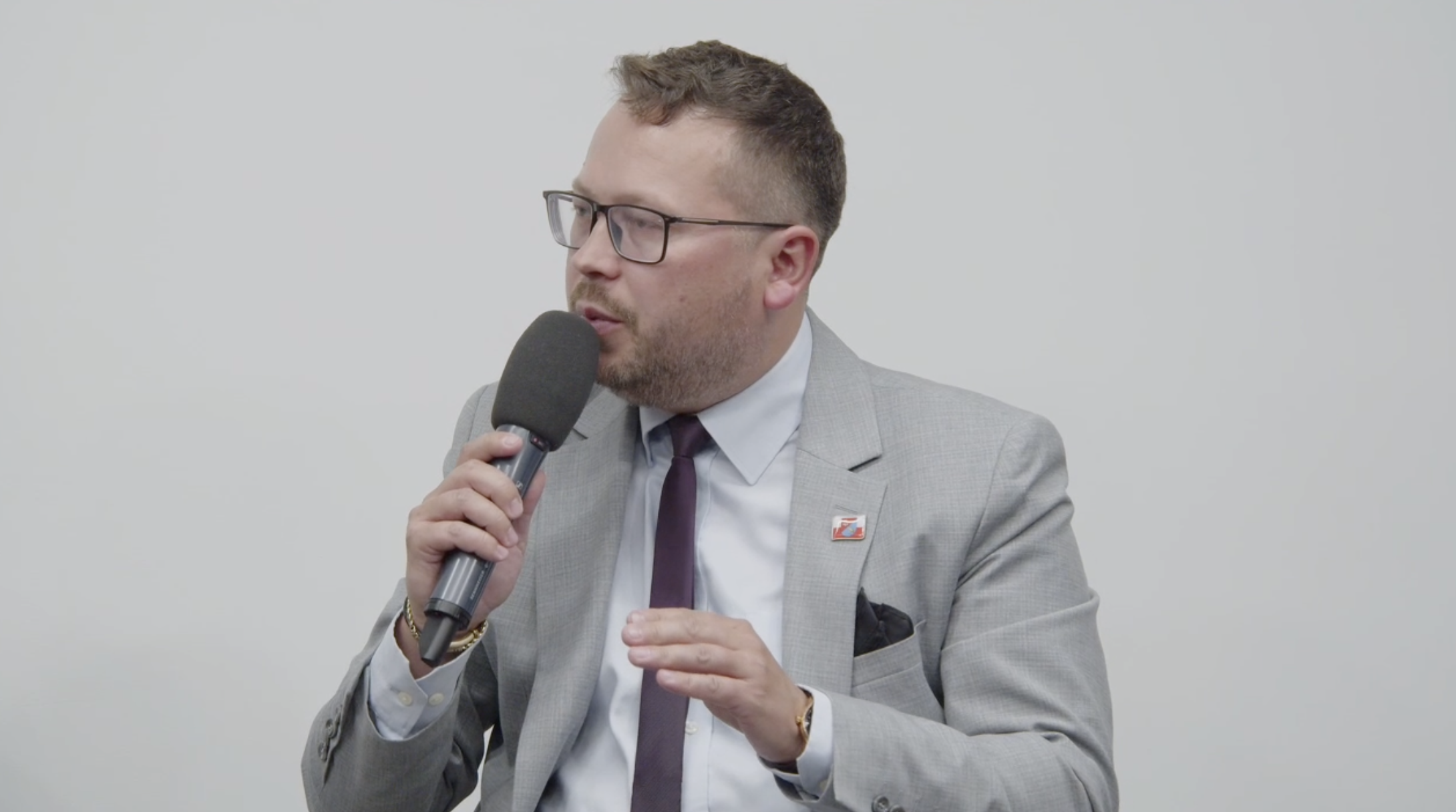
Transparency and visible local benefits, not slogans, are what win residents over to wind power, the head of Grajewo municipality told a Warsaw debate on energy disinformation, offering his own community as a working example.
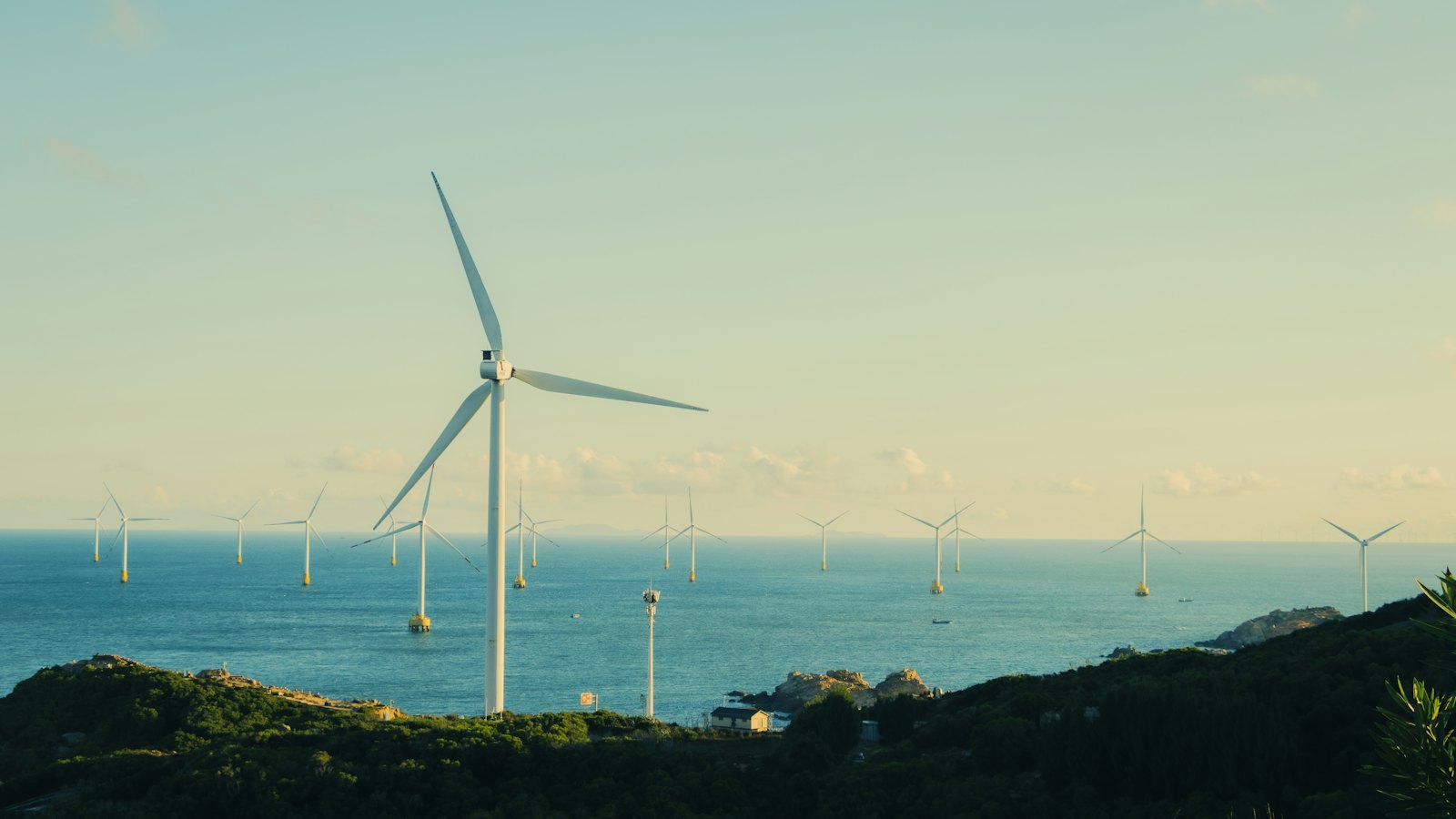
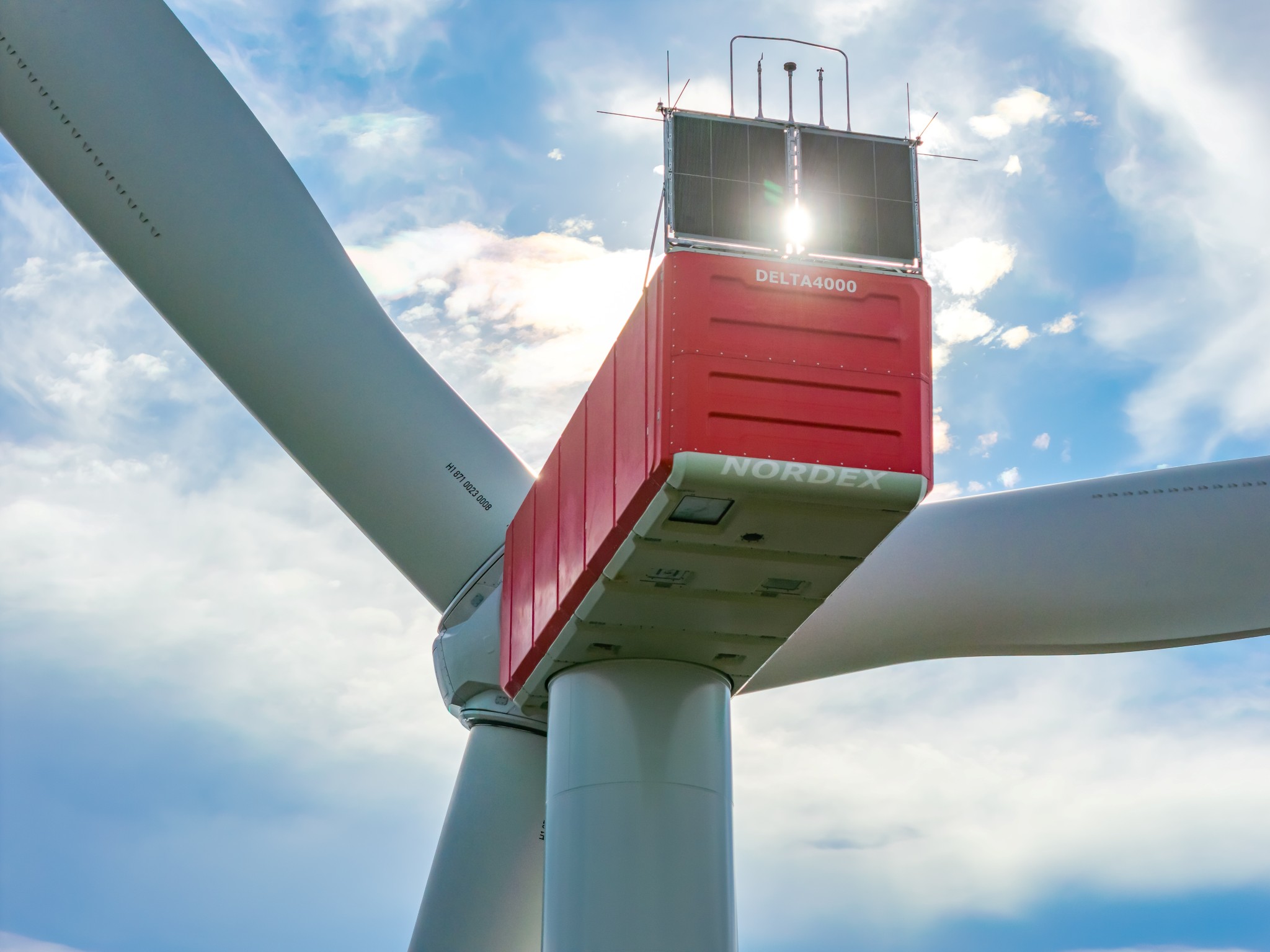
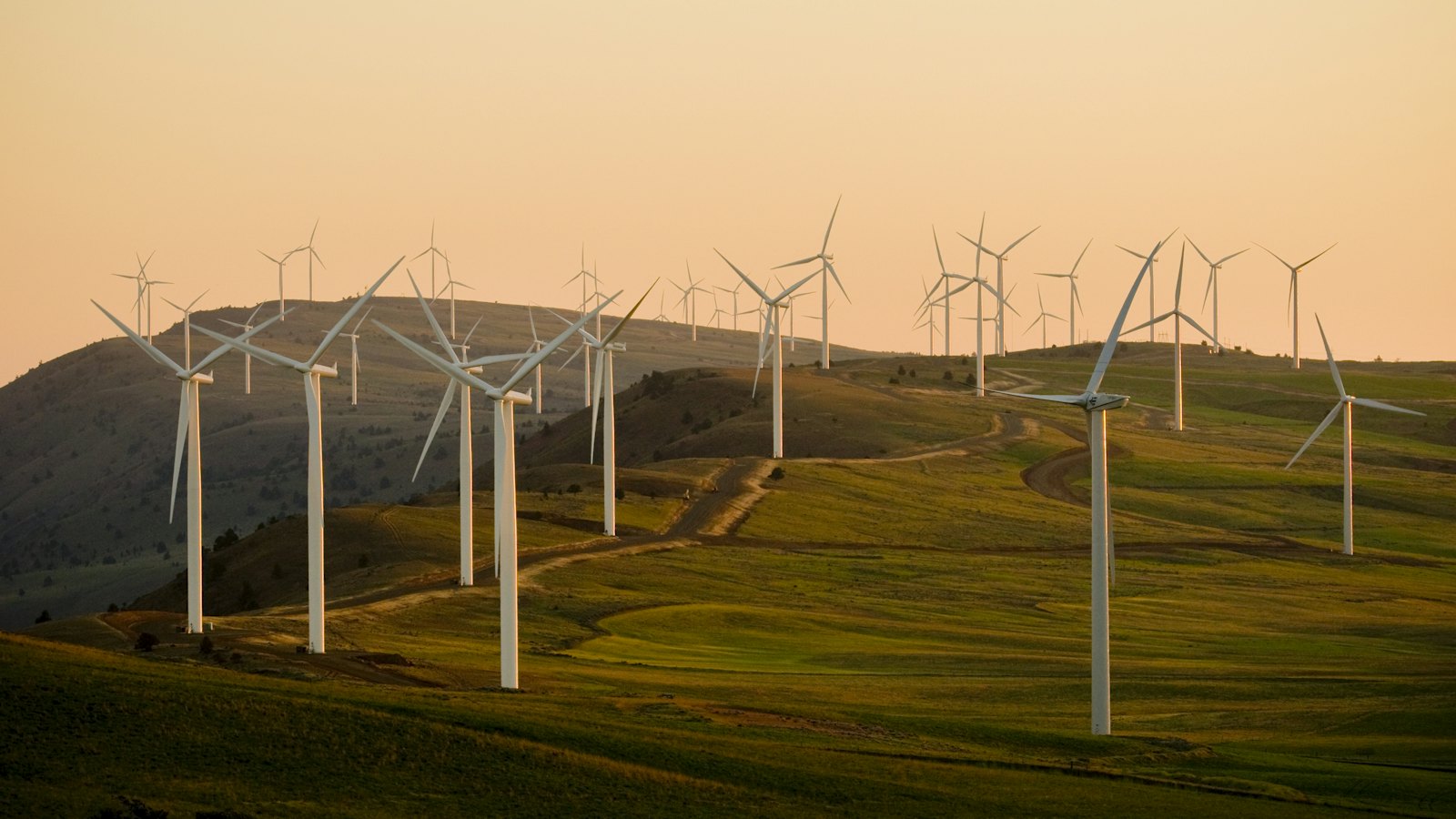
Grzegorz Gorski said his municipality in north-eastern Poland has hosted 19 wind turbines since 2021, generating around PLN 3.2m a year in taxes on a municipal budget of roughly PLN 52m. He works with three investors on those projects, all of which, he said, also support local initiatives financially.
His method is to address each social group with something concrete and to attribute it openly to the wind farm: a refurbished computer room in a school, a renovated kitchen for the rural women’s association, a coach trip to the theatre for seniors. ‘These are the benefits from our wind farms,’ he tells residents — building from small steps towards the larger investments that follow.
Credibility, Gorski stressed, is easily lost: a single broken promise resets trust to zero, so leaders must commit only to what they will deliver. He countered health scares with his own experience, noting that he lives surrounded by turbines on three sides and that his hens still lay. He has also invited a neighbouring mayor with 75 wind farms to a joint event, on the principle that peer testimony from someone who has ‘been through it’ cuts through fake news more effectively than an outside expert.
The harder part, he suggested, is persuading fellow local leaders to take responsibility for a decision whose benefits play out over the roughly 30-year life of a wind project. Too many, he said, prefer to stay quiet and leave it to a successor — even though the choice of whether the money reaches the municipality is theirs to make now.