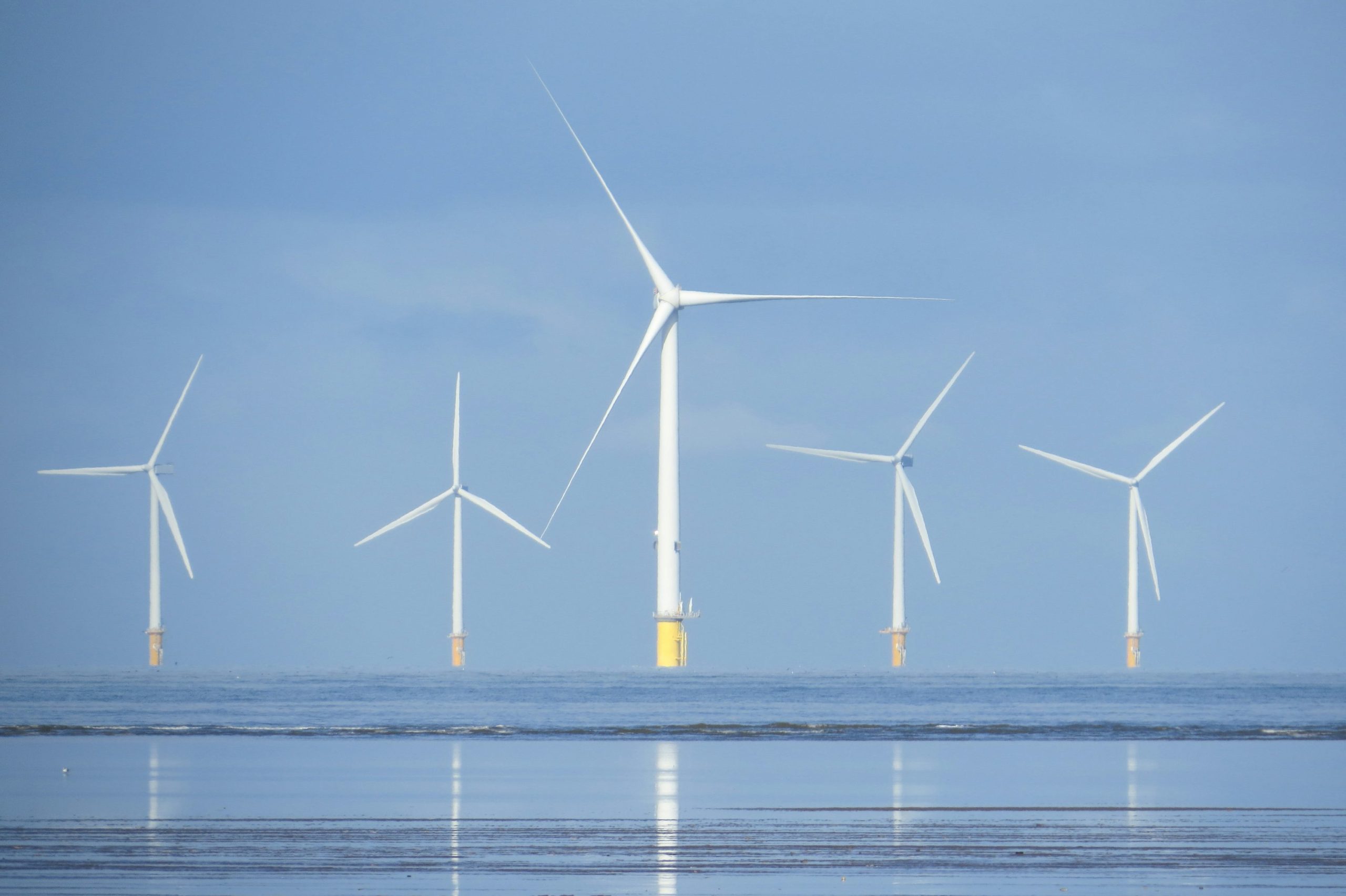
Vattenfall has begun offshore construction of the Nordlicht wind cluster, which it describes as Germany’s largest offshore wind project. On 1 July the first monopile for the Nordlicht I wind farm was installed in the German North Sea, marking the start of the offshore construction phase.
The foundation work is being carried out by DEME, which is responsible for the transport and installation of foundations and transition pieces for Nordlicht I and II. The monopiles are manufactured by EEW Special Pipe Constructions in Rostock, while the transition pieces come from CSWind in Aalborg. Nordlicht I will comprise 68 monopile and transition-piece foundations; each monopile is up to 80.5 metres long — almost the length of a football pitch — and weighs up to 1,290 tonnes.
The cluster lies around 85 kilometres north of the island of Borkum and consists of two projects: Nordlicht I, with a capacity of around 980 MW, and Nordlicht II, at around 630 MW. Once fully commissioned, the cluster is expected to generate around 6 TWh of electricity per year, with both wind farms scheduled to become operational in 2028. Nordlicht II is planned to follow around a year after the first.
“With the installation of the first monopile, Nordlicht is visibly taking shape in the waters of the North Sea,” said Cyril Moss, Project Director Nordlicht at Vattenfall, adding that the project contributes to the energy transition while strengthening energy security and competitiveness in Europe.
The turbine towers will be built partly with low-emission steel, cutting their overall carbon footprint by around 16 percent. The scale of the North Sea build-out adds to the offshore pipeline feeding the wider northern European and Baltic grid.