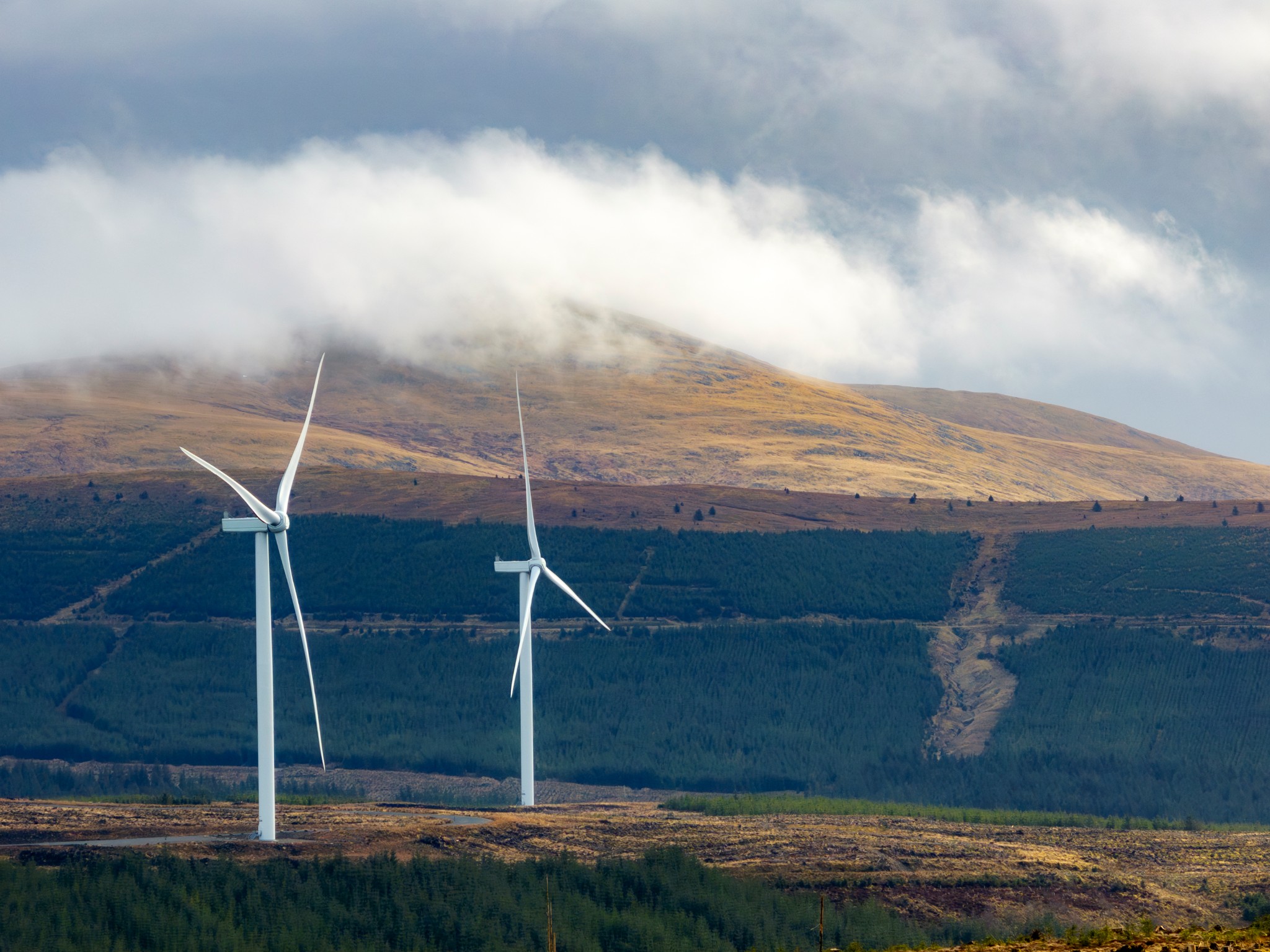
Falling auction prices and rising construction costs are tightening the economics of new onshore wind projects in Germany, and night-time noise restrictions are emerging as an under-appreciated factor, according to Dezibel Engineering, a firm specialising in wind farm sound optimisation.
At the Federal Network Agency’s most recent onshore wind tender in February 2026, the average award value was 5.54 cents per kilowatt-hour, while the cost of building and financing projects has continued to climb. Against those tighter margins, even small reductions in output can affect whether a project is bankable.
Many wind farms are permitted to run only at reduced power at night, or must switch off individual turbines entirely, to stay within stricter night-time noise limits. Wind speeds are often higher after dark, so curtailment then carries a disproportionate cost. Cautious assumptions made during the permitting phase frequently remain in place for the lifetime of a project even where, on closer examination, they are not technically required, the company said.
Dezibel Engineering set out a worked example: a modern 6 MW turbine at a site rated at 55 percent of the reference yield under Germany’s EEG 2023 framework earns an effective tariff of 7.95 ct/kWh after the applicable correction factor, against an award value of 5.6 ct/kWh. With around 2,200 full-load hours under night-time curtailment, the project generates roughly 13,200 MWh a year and just over one million euros in revenue — below the break-even point. Removing unnecessary curtailment through a permit amendment under the Federal Immission Control Act, the firm argued, could raise annual output by about eleven percent and tip the project into profitability.
The trade-off is relevant across the Baltic region, where onshore wind developers face similar tensions between noise compliance and yield. Dezibel Engineering says it has unlocked more than 82 million kWh of additional annual output across 29 wind farms.