When an offshore wind farm delivers its “first power to the grid,” the headline sounds like a switch being flipped. It isn’t. First power is the visible tip of a long, tightly sequenced engineering process called commissioning — the point at which one turbine’s electricity is finally allowed onto the national grid, months after the first steel touches the seabed. Poland’s Baltic Power and Baltica 2 projects show what that sequence involves and why it matters.
It starts on the seabed, not in the turbine. Before any foundation goes in, contractors survey ground conditions, clear the corridor of unexploded ordnance, and remove boulders up to two metres across. On Baltica 2, the Boskalis vessel BOKA Falcon prepared 150 kilometres of routes for inter-array cables — the lines that link turbines to the offshore substations — using a plough to trench the seabed, with a further 260 kilometres of export-cable route to follow. The quality of that trenching directly affects how safely the cables can be laid and protected. Only once the corridors and foundations are ready do turbines and cables go in.
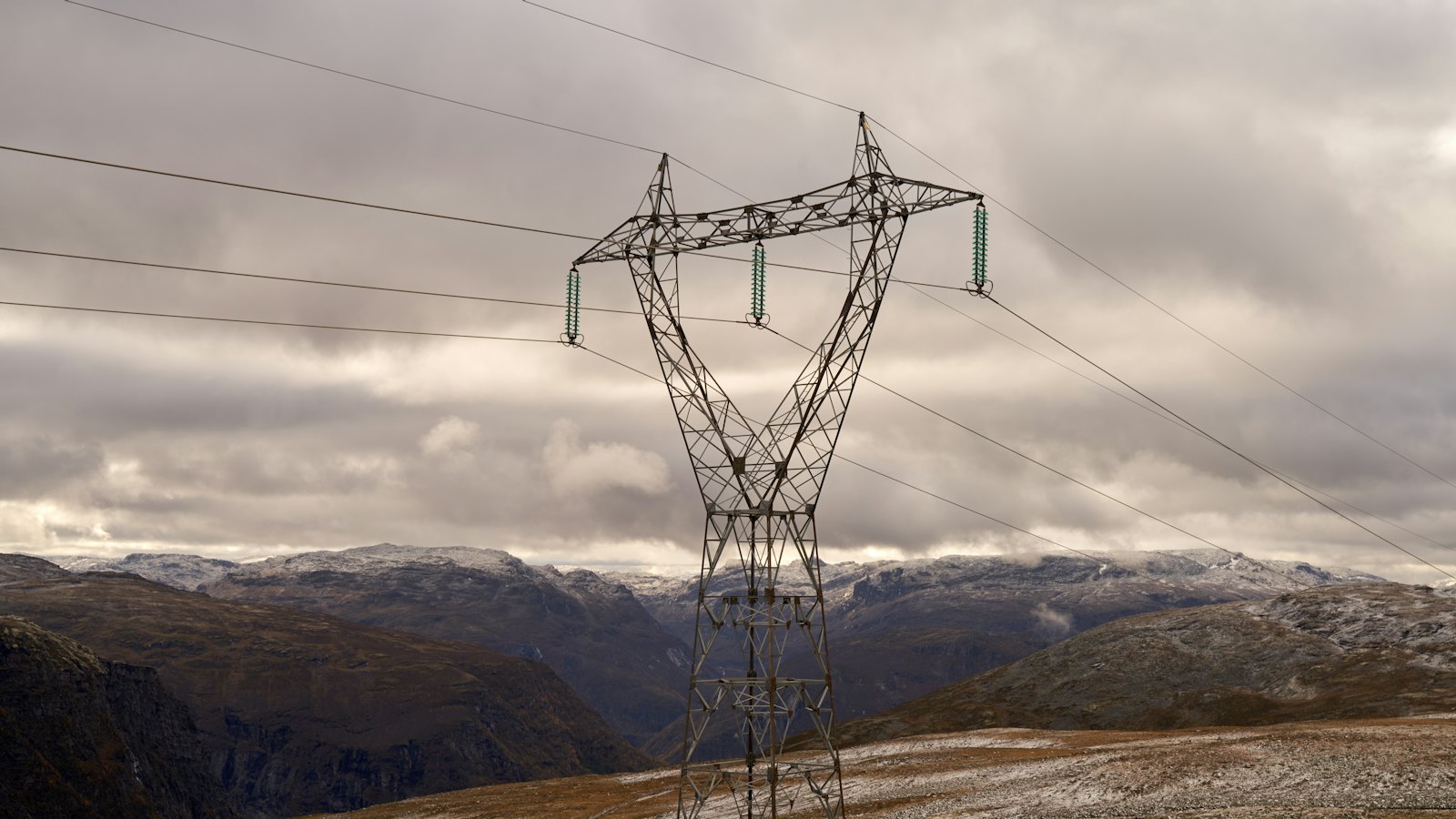
The grid connection is its own project. Offshore electricity has to reach an onshore substation before it can enter the national system, and that station is where the whole farm is monitored and controlled — including offshore substations and turbines sitting some 40 kilometres out to sea. On Baltica 2, the onshore transformer station at Choczewo is being commissioned by the Polish firm Enprom under a 21-month contract that covers compliance tests required by the transmission system operator, verifications against the design, and a trial run. Electrical commissioning of that onshore infrastructure is what allows the offshore turbines to run and export power without interruption.
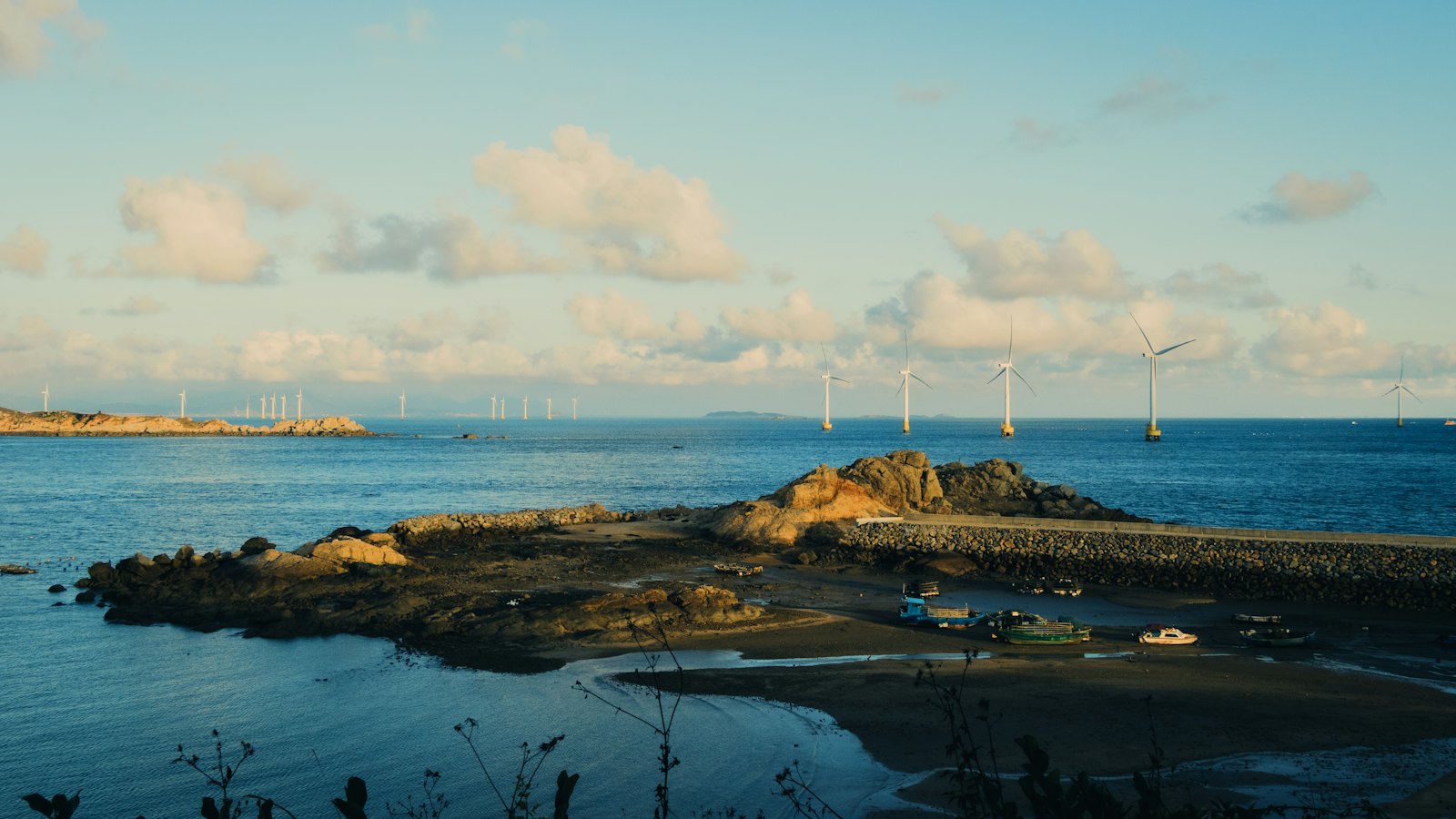
“First power” is therefore a test milestone, not the finish line. It confirms that offshore and onshore infrastructure have been energised and integrated, and that the first turbine can feed the grid under the operator’s compliance conditions. Full commissioning follows as the remaining turbines are energised and the farm ramps to capacity. At Baltic Power — Poland’s first offshore wind farm, a 1.2 GW joint venture between ORLEN and Northland Power — construction is set to complete in the second half of 2026; at full output the farm is expected to generate roughly 4 TWh a year, enough for more than 1.5 million households and around 3% of Poland’s electricity demand.
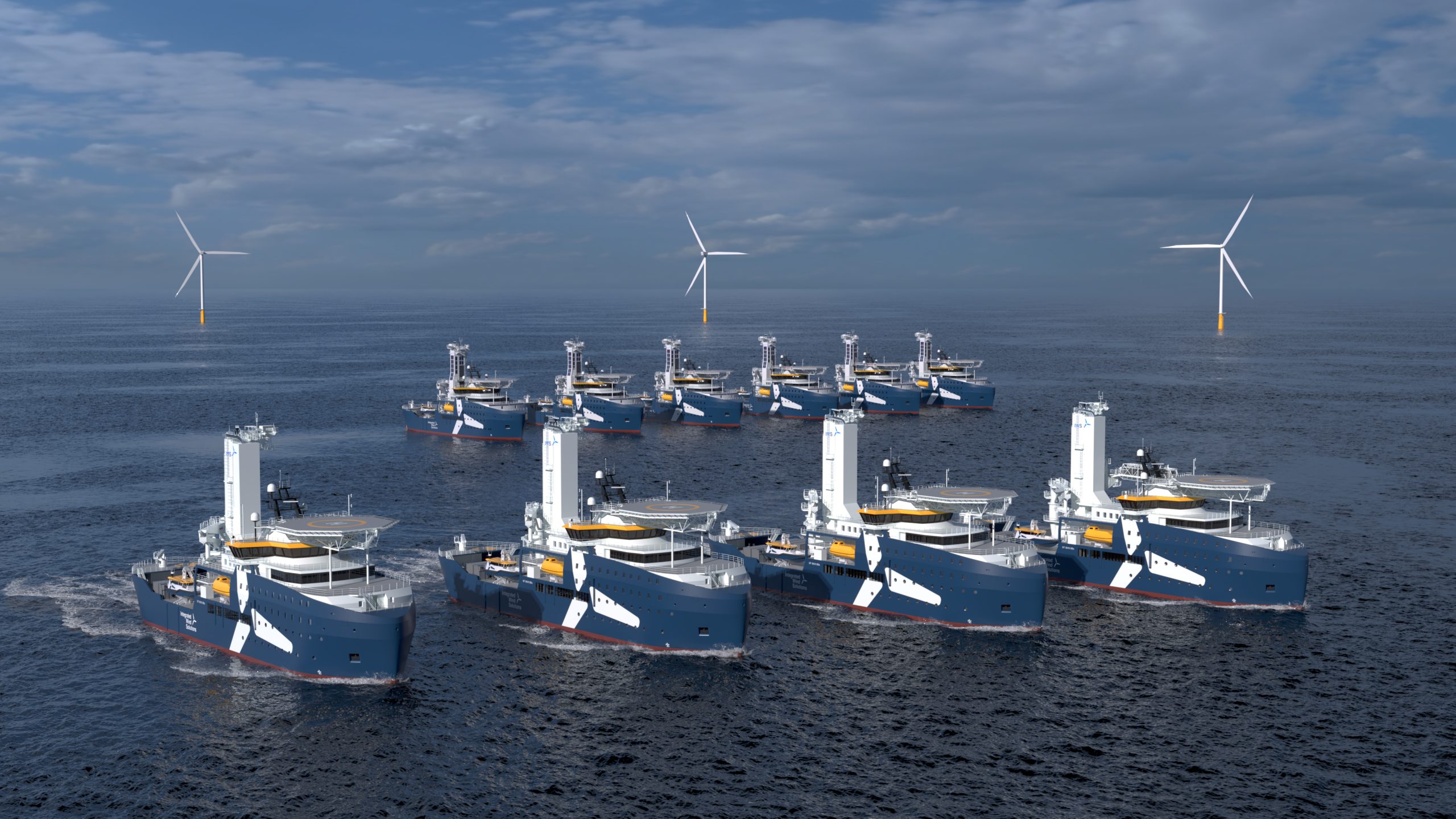
The milestone also marks a handover. Construction is finite; operations last decades. Baltic Power’s service base in Łeba — a quay that was a public promenade only a few years ago — coordinated a construction fleet of around 80 vessels and thousands of personnel, and is now staffing up for roughly 30 years of operations and maintenance, with around 40 Baltic Power employees and more than 50 contractors. First power is the moment a project stops being built and starts being run.
Why it matters beyond one farm: every commissioned megawatt is domestic electricity that displaces imported fuel. Copenhagen Infrastructure Partners estimates imported fossil fuels still meet about 40% of Europe’s energy demand at roughly EUR 250 billion a year, and argues that accelerated electrification and a renewables-led system could cut those imports by around 80% and lower power prices by up to 40% by 2050. Poland’s pipeline is already lengthening — the Baltic East project won a recent auction at a competitive PLN 476.88/MWh and targets first power as early as 2032. Each “first power” is one more step from that roadmap into the grid.