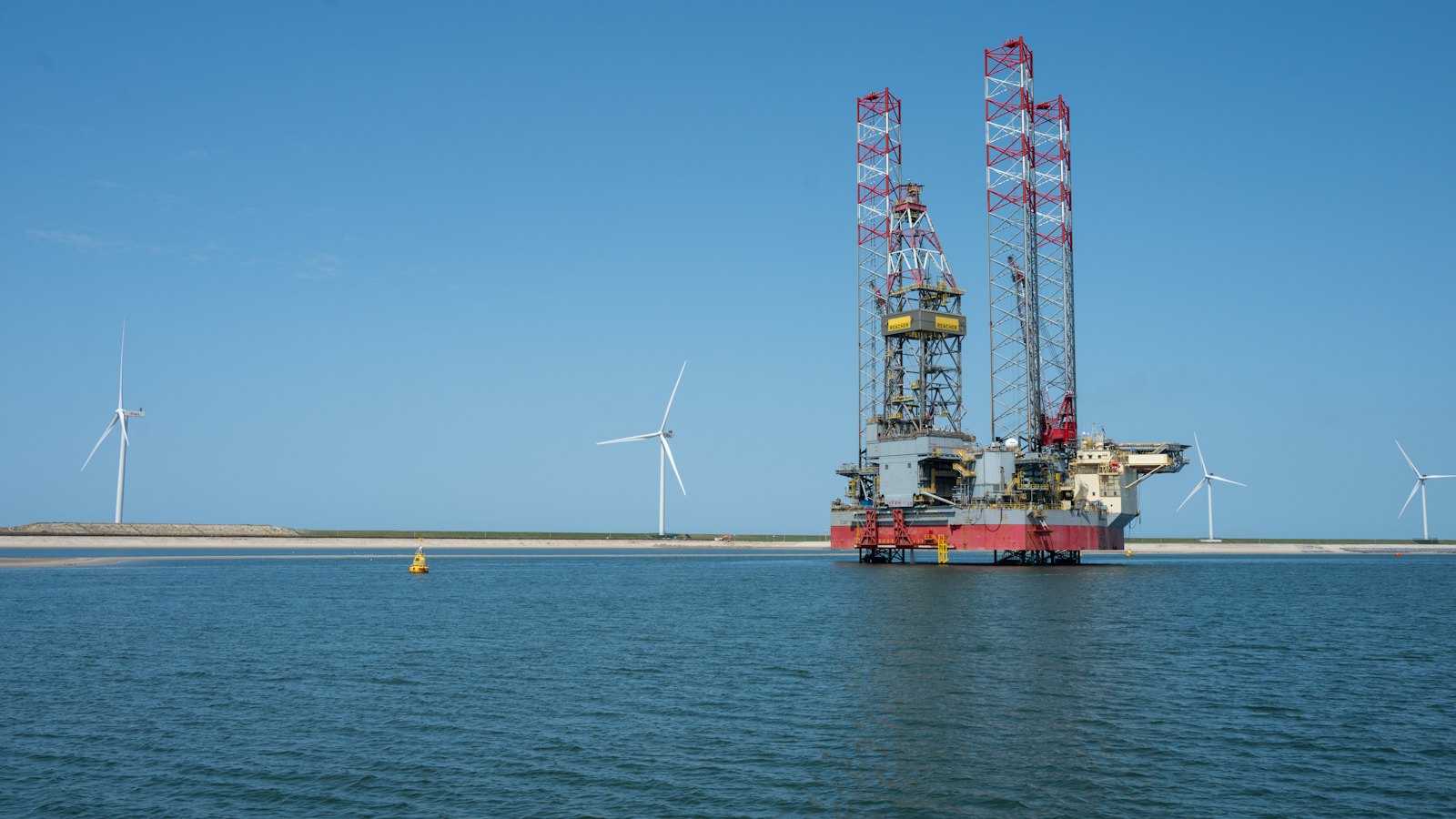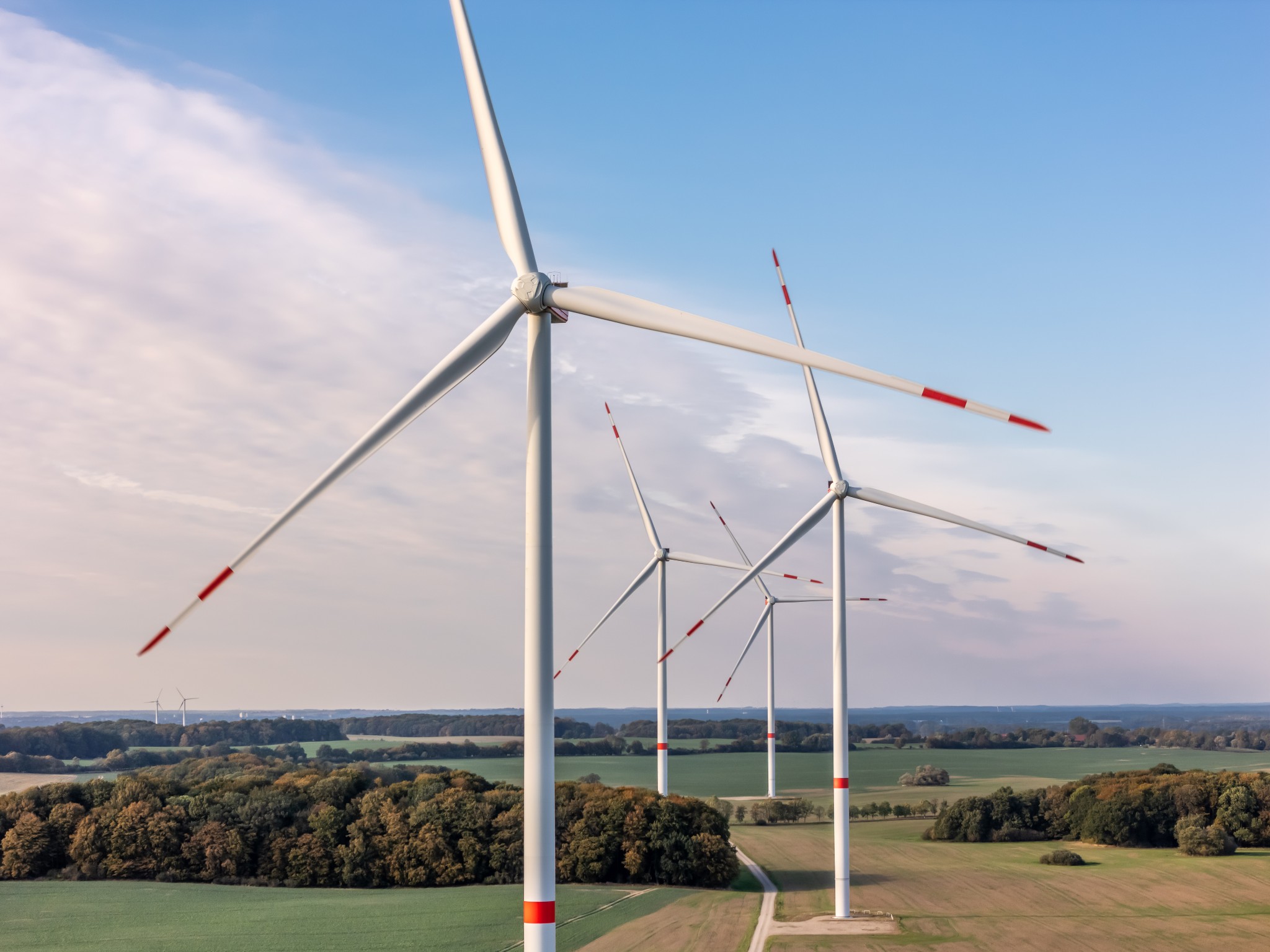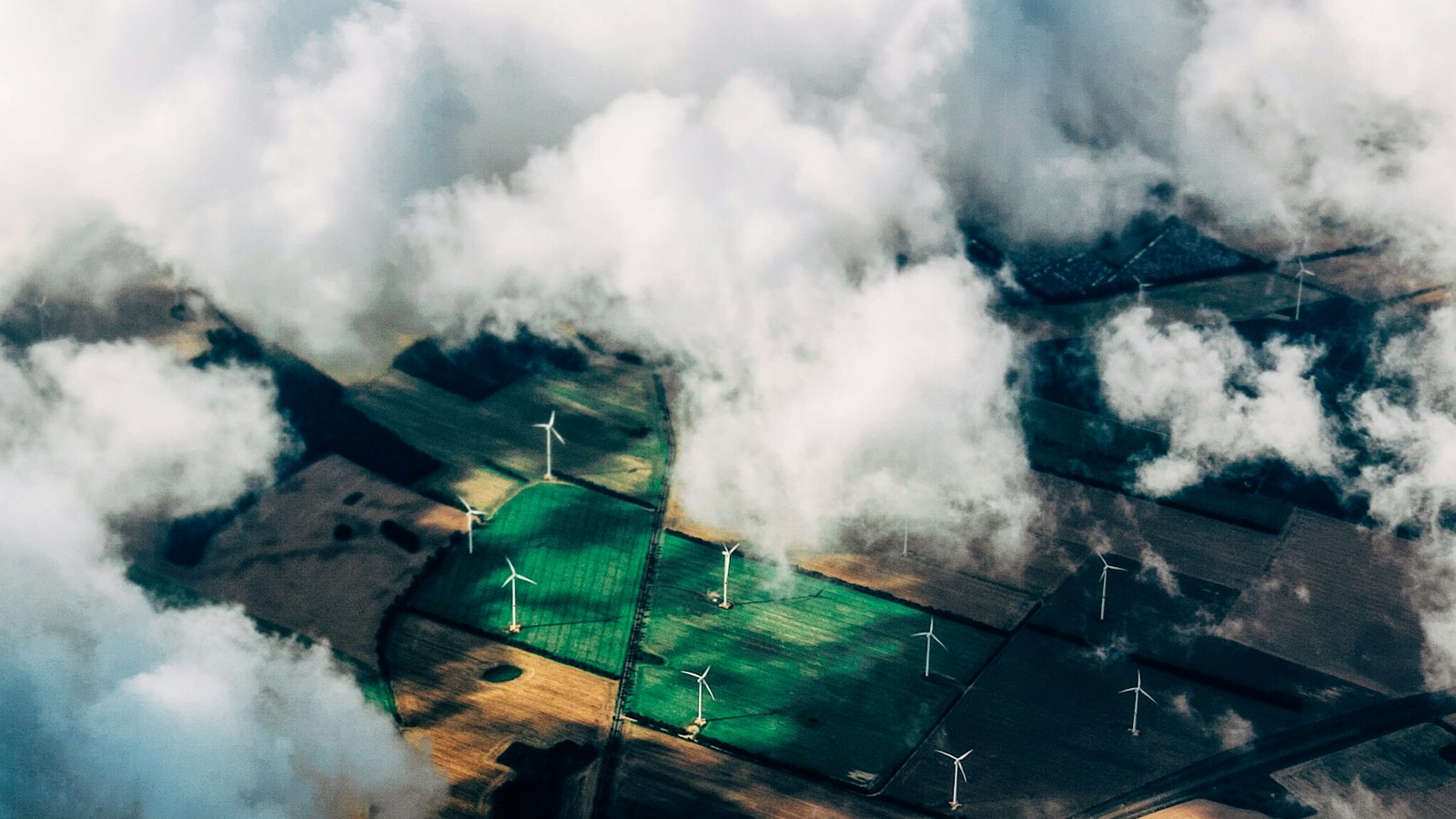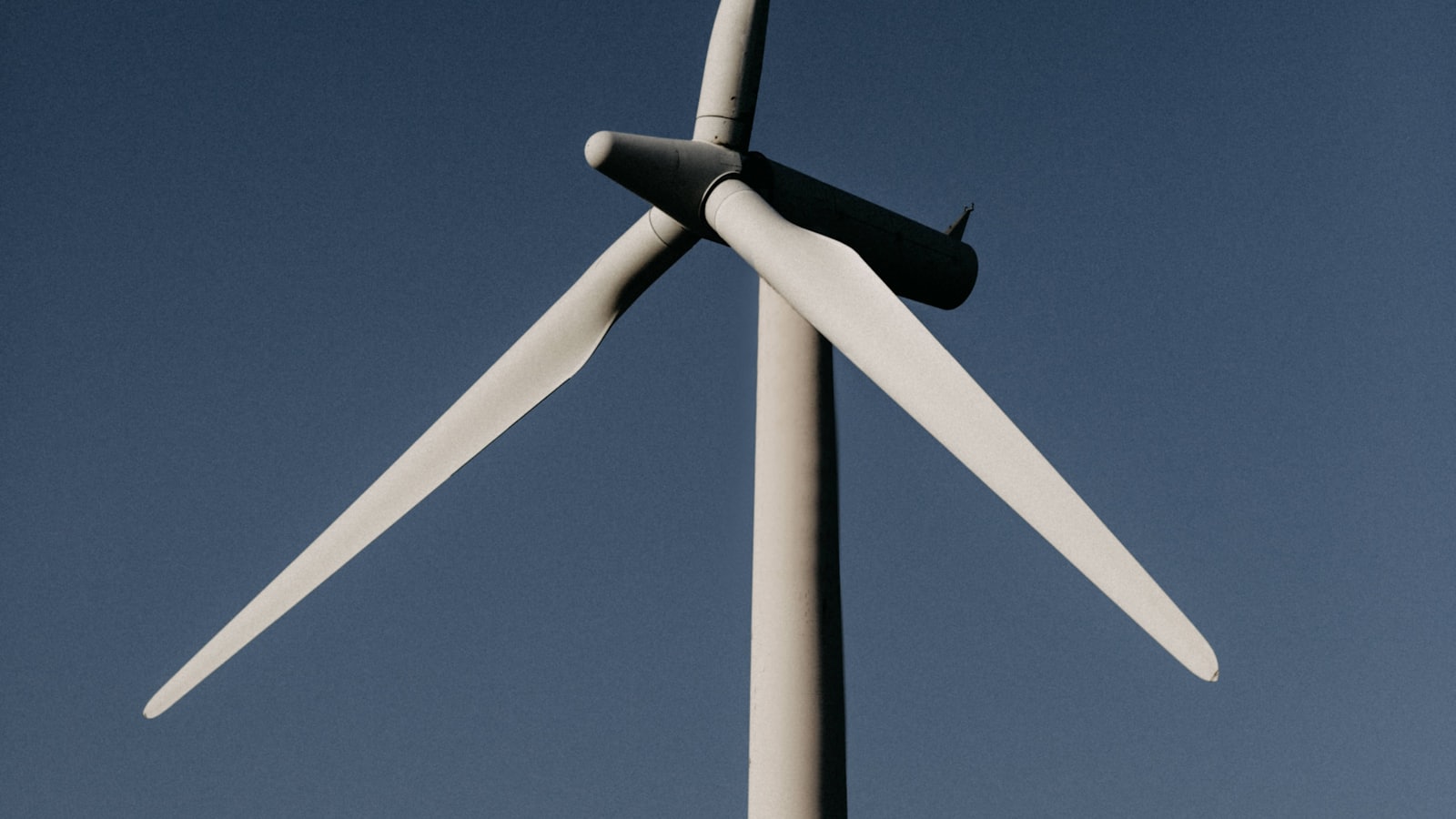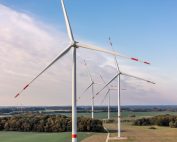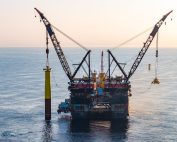
A hydrogen-iron battery is to be deployed in the Netherlands as a long-duration store for wind power, intended to ease grid congestion by shifting output rather than curtailing it.
The technology addresses the gap that lithium-ion does not cover well. Grid congestion driven by wind is not a matter of minutes or a couple of hours; it is a multi-day problem tied to weather systems, which is the duration band where iron-based chemistries and hydrogen carriers become economically plausible.
In Germany the build-out is moving at a different scale. Eco Stor is constructing a 310 MW large-scale storage facility at Wengerohr. Zelestra has closed a tolling deal with Centrica for a 99 MW three-hour battery in Lower Saxony. Encavis has realised its first utility-scale battery project in Italy as it expands its storage business.
The tolling structure in the Zelestra deal is the detail worth noting. Selling capacity to an offtaker rather than merchant-trading it converts a volatile revenue stream into a contracted one, which is what makes storage bankable at scale — the same shift that power purchase agreements achieved for wind a decade ago.
For the Baltic, where grid capacity is the binding constraint on onshore expansion in Poland and the Baltic states, the relevant question is whether storage is treated as a grid asset or charged for connection like a generator. Germany’s package still applies construction cost contributions to batteries at connection.
Source: IWR Energieletter 33 and 34/2026.