Finland’s combined wind and solar capacity passed 10 gigawatts at the start of this year — three times the country’s hydropower fleet — capping a decade-long build-out that began from just 199 MW of wind in 2012. The milestone marks not an endpoint but a hinge: the country’s energy story is now shifting from simply adding onshore turbines to building offshore capacity, exporting clean power to industry, and testing how far a Nordic grid can lean on renewables and next-generation nuclear at once.
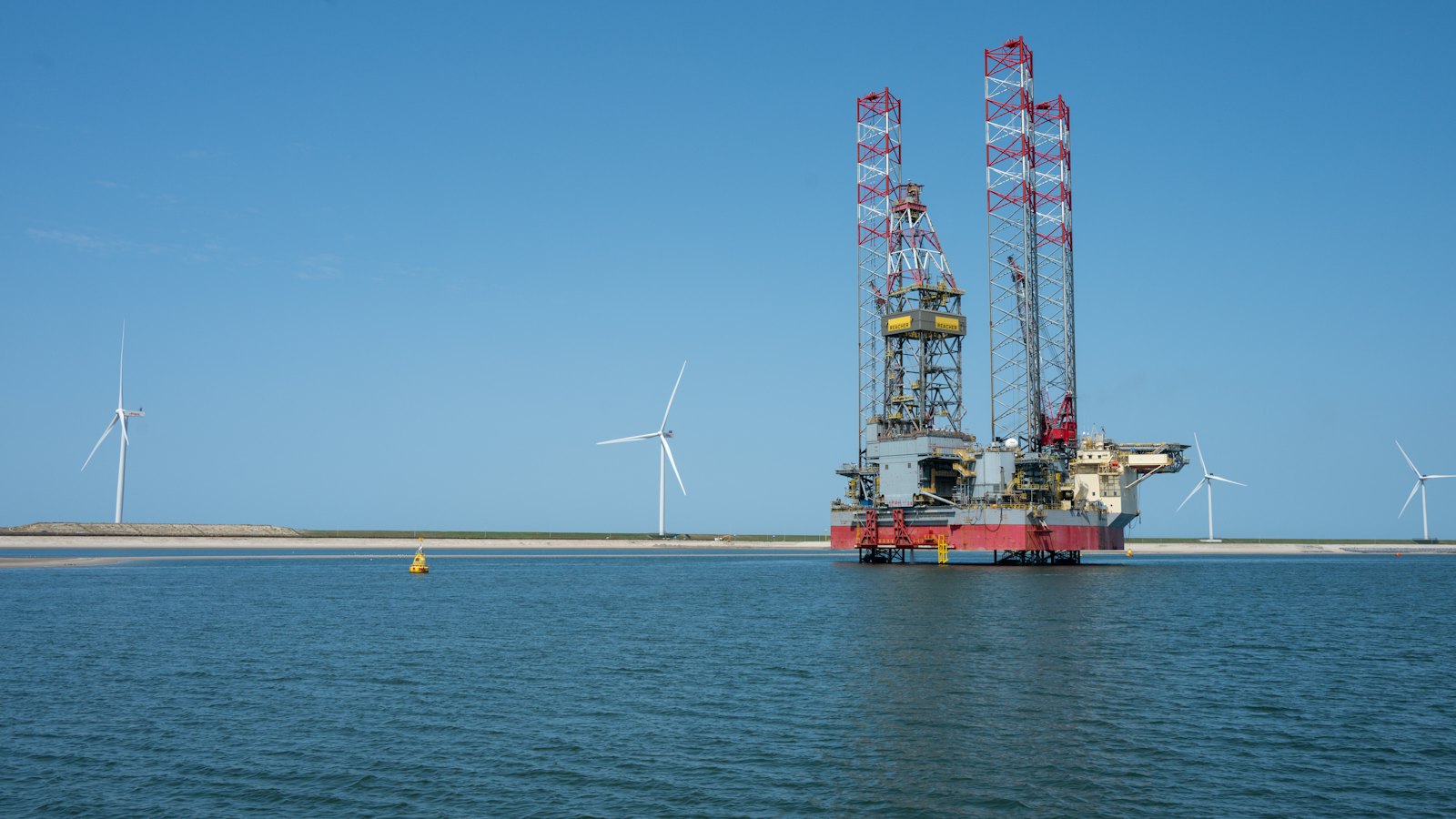
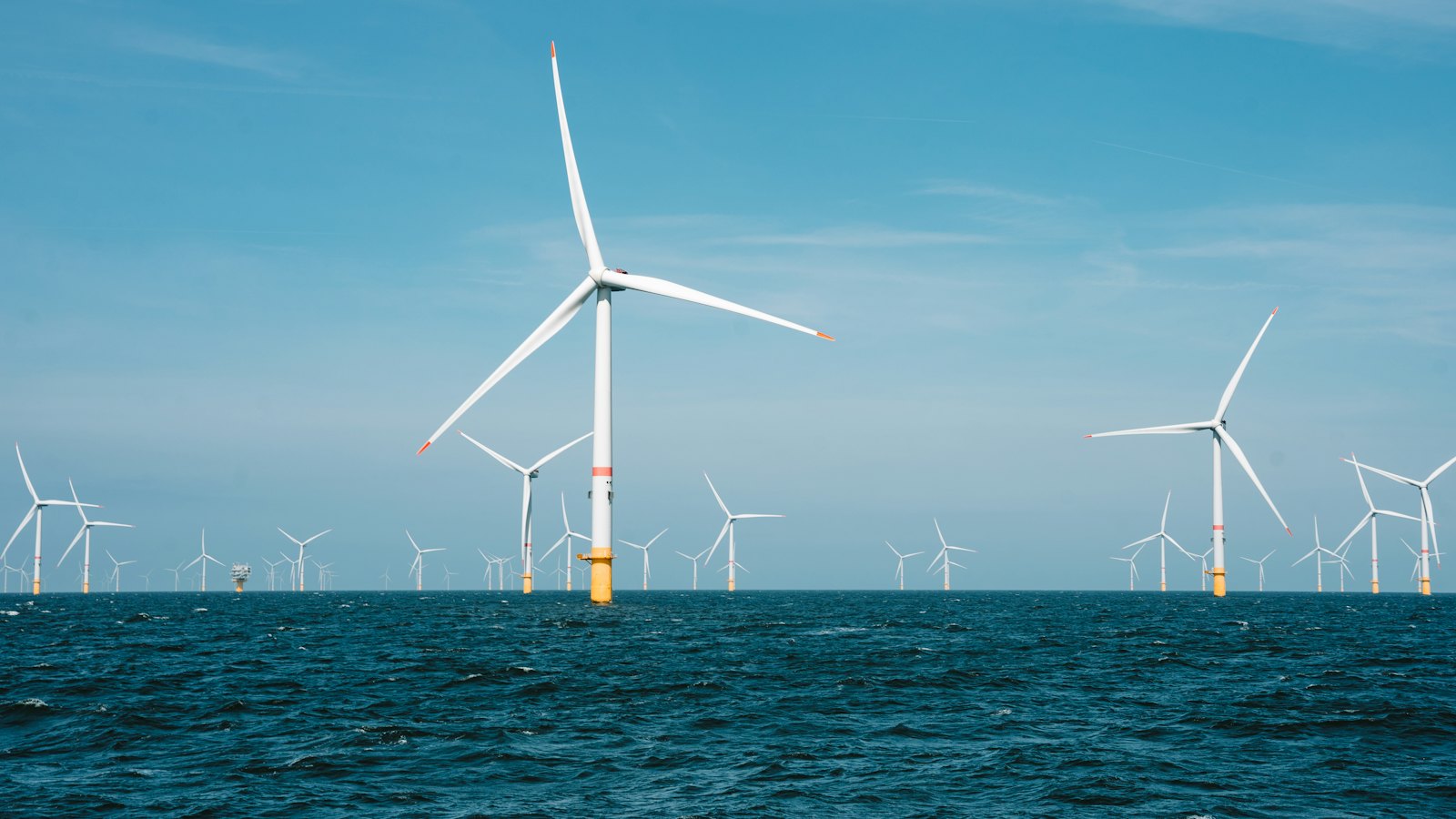
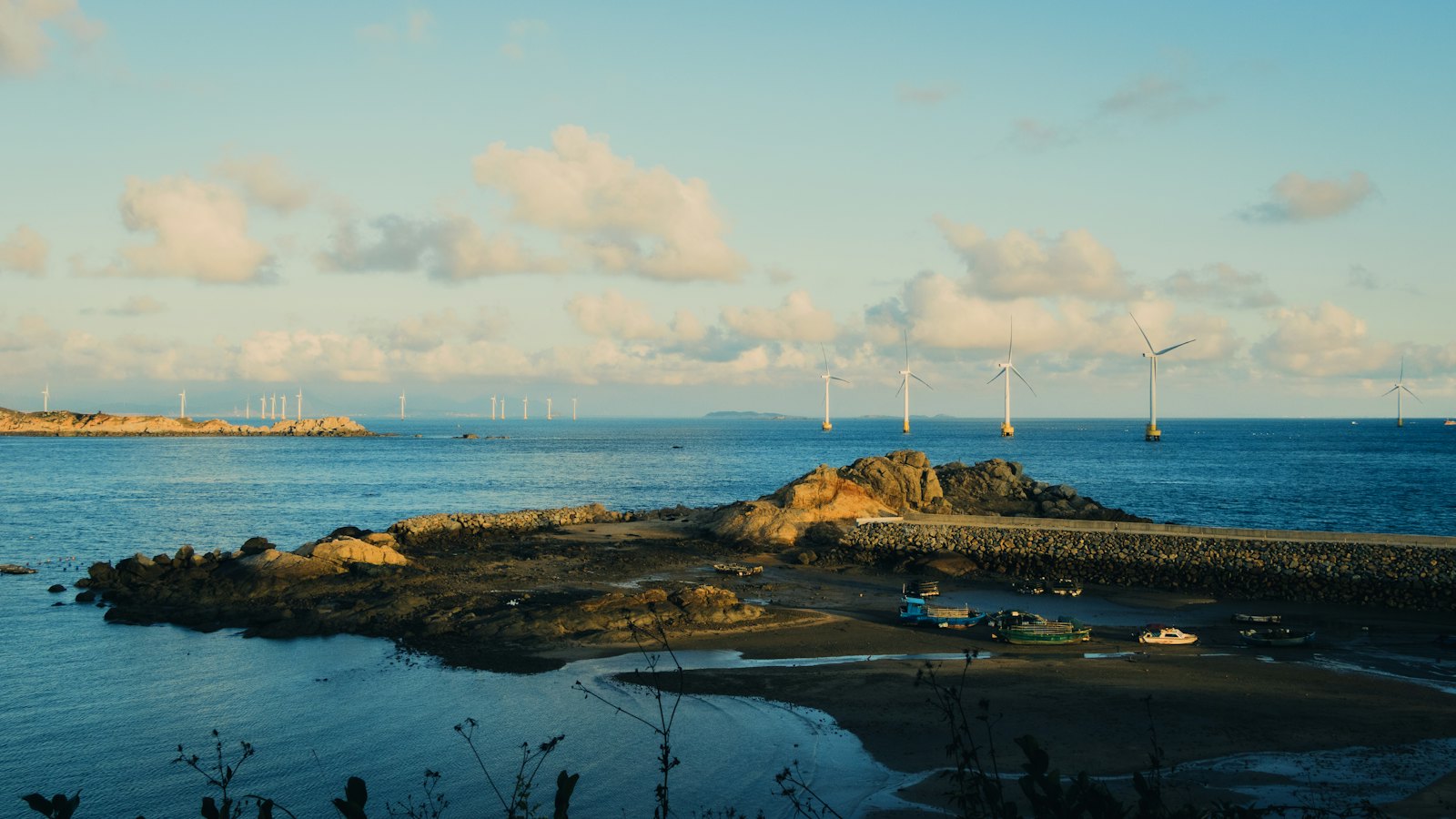
By the end of 2025, wind alone supplied 28% of Finland’s electricity, up from 0.5% in 2012, while utility-scale solar — barely two years old as an industrial-scale sector — added a record 227 MW in 2025 alone. That onshore and solar growth is now being joined by a much larger offshore pipeline: developers have more than 12 GW of offshore wind under development in Finnish territorial waters, according to state forestry and land company Metsähallitus, which co-develops several of the largest projects with Vattenfall.
The scale of that ambition is visible project by project. An economic-impact study for the Korsnäs offshore wind farm, prepared for Vattenfall and Metsähallitus, estimates the project could generate around 40,000 person-years of employment in Finland and up to €20 billion in economic impact over its lifetime, with €3–4 billion flowing to the state in tax revenue and €312 million in property tax to Korsnäs municipality alone. Further north, the Ebba project has spent two seasons tracking GPS-tagged Baltic gulls — a globally threatened species that feeds far out to sea — to steer turbine layouts around the birds’ busiest flight corridors, work Metsähallitus says will feed directly into the project’s environmental impact assessment.
Metsähallitus is not only developing projects but selling them on. It has agreed to transfer rights to three onshore wind developments in Simo, Kajaani and Pyhäntä — up to 800 MW combined — to renewable developer Nordic Generation, backed by Octopus Energy Generation’s infrastructure funds. Executives on both sides describe the deal as evidence of appetite from international capital for Finnish wind, freeing the state developer to recycle capital into new projects rather than build out every site itself.
That growing power surplus is starting to find buyers beyond the grid. Vetyalfa’s Cloudberry project won €224 million from the EU Innovation Fund this year — the largest single EU Innovation Fund award Finland has drawn — to build 500 MW of electrolyser capacity aimed at producing nearly 509 kilotonnes of hydrogen over a decade. Meanwhile, in Kuopio, authorities have opened the environmental review for a small modular reactor plant that would supply district heating, a reminder that Finland’s clean-energy build-out is not wind and solar alone. Grant negotiations for the hydrogen projects are due to close by early 2027, with investment decisions required within two and a half years — a timeline that will show whether Finland’s electrolyser ambitions can move as fast as its wind and solar capacity already has.