Lithuania’s only seaport is being rebuilt on three tracks at once: new land and breakwaters in the south, dual-use quays that serve both allied navies and offshore wind, and early groundwork for alternative marine fuels. This tracker follows the Klaipėda State Seaport Authority’s main steps in the order they were announced, and what each one sets up for the years ahead.
Late August 2026: site works begin in the south. The port started site preparation in its southern area, moving the largest expansion in its history into construction. Breakwater works, contracted to Tilsta for EUR 24.5 million excluding VAT, were due to start in autumn 2026 once the site is ready. Nearly EUR 600 million of the port’s 2026–2029 investment programme is allocated to the southern expansion; with private investment still to come, the authority puts the total value above EUR 1 billion. The breakwaters are also meant to limit the inflow of salt water into the Curonian Lagoon, and port director Algis Latakas linked the project to military mobility needs on the alliance’s eastern flank.
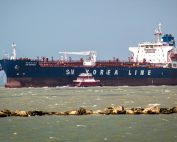
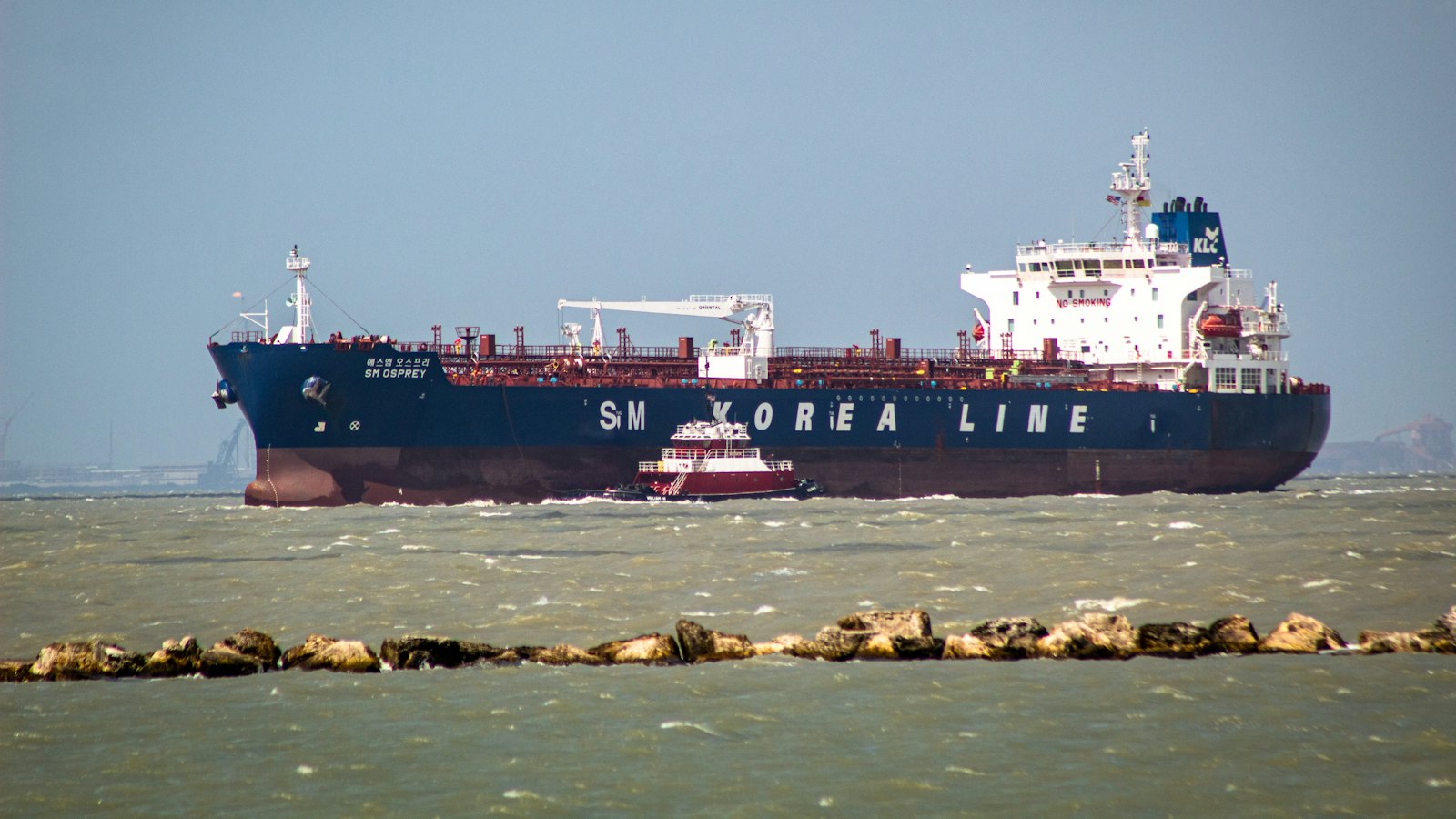
Early September: a green methanol concept. The port authority completed a concept design for a green methanol bunkering vessel with a capacity of 800 tonnes, able to supply up to 250,000 tonnes a year, drawn up by Western Baltic Engineering within the 14-partner H2Deri@BSP project. A market study by Moffatt & Nichol Baltics found the Baltic green methanol market still at an early stage, but concluded that ports offering alternative fuel bunkering are likely to become more attractive to shipping lines. A green hydrogen facility already operates at Klaipėda, and early demand is expected from regional vessels, ferries and ships serving offshore wind farms.
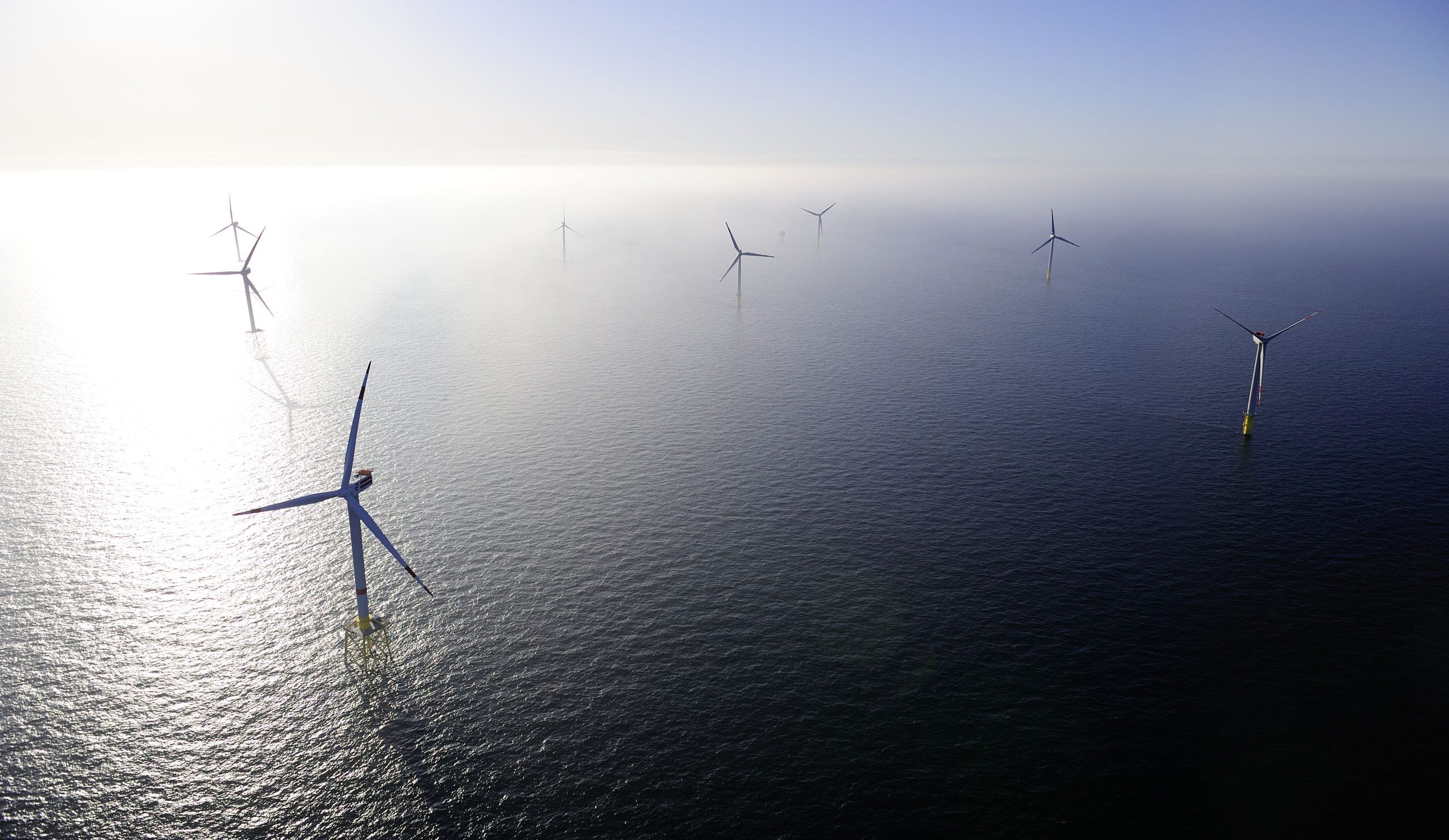
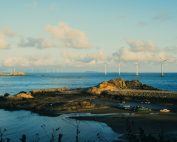
15 September: EUR 100 million from the EIB. The European Investment Bank signed a EUR 100 million loan, covering up to half of a project cost of about EUR 201 million, with completion planned by the end of 2027. The programme adapts parts of the civilian cruise terminal to NATO requirements, adds shore power for ferries and a green hydrogen refuelling station, and reconstructs quays so that Klaipėda can serve as a base for building and maintaining offshore wind farms. The bank described security and defence as one of its core priorities since 2025, and this is one of the first Baltic port projects financed explicitly on that basis alongside energy transition goals.
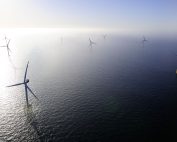
What comes next. Three dates and decisions shape the next phase: the start of breakwater construction in the south, the completion of the EIB-backed programme by the end of 2027, and the launch of Lithuania’s first offshore wind projects, for which a heavy-lift quay near the sites is a precondition for building and servicing them from home rather than from Polish or Danish ports. The methanol work is the least certain strand. It is a concept and a market assessment, not an order, and demand will depend on how quickly green shipping corridors develop across the Baltic.
Taken together, the three steps show a port positioning itself as shared infrastructure for defence, wind and shipping at once. The test will be whether the money and the schedules hold, and whether the offshore wind projects the new quays are being prepared for arrive on time.