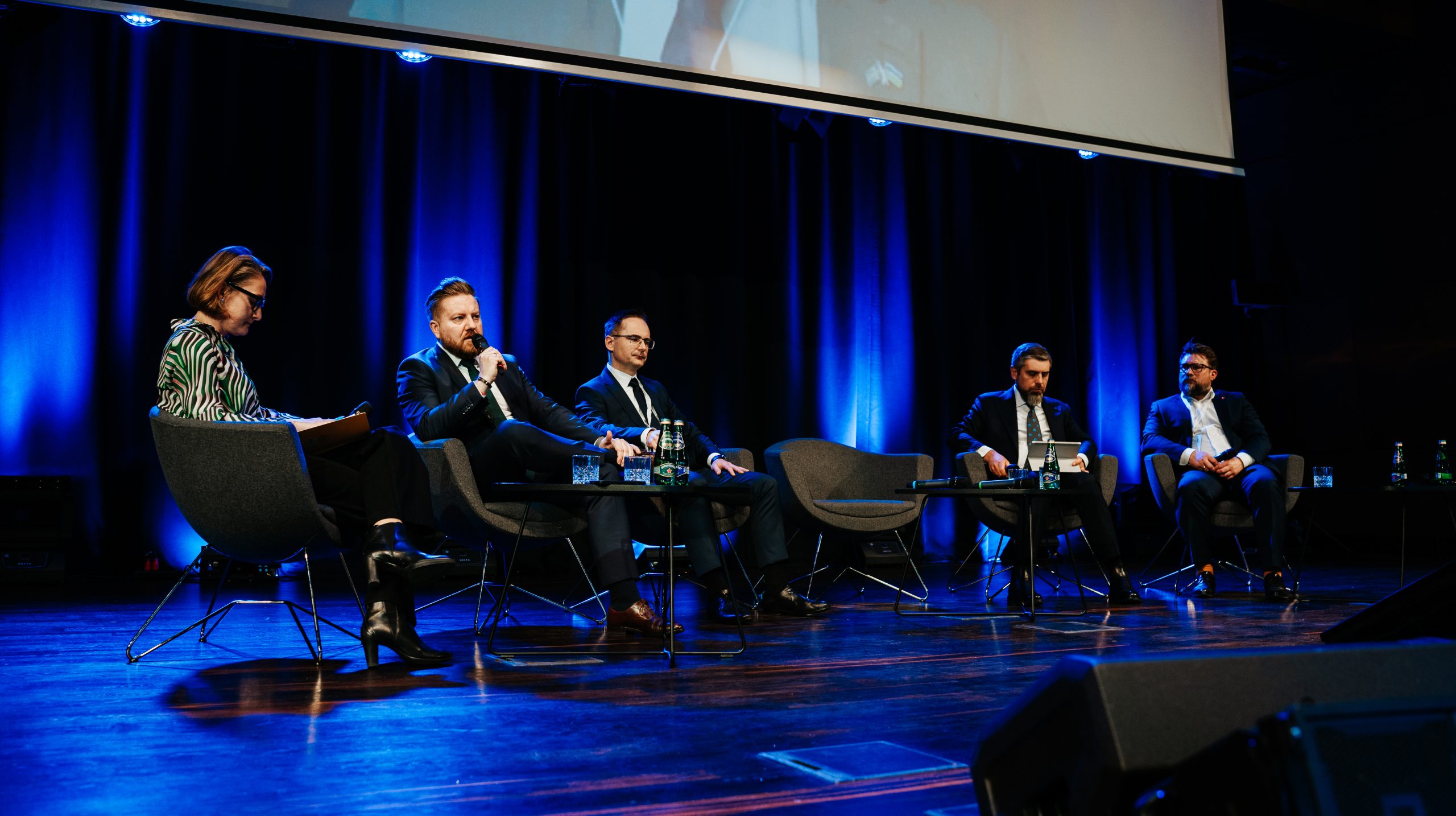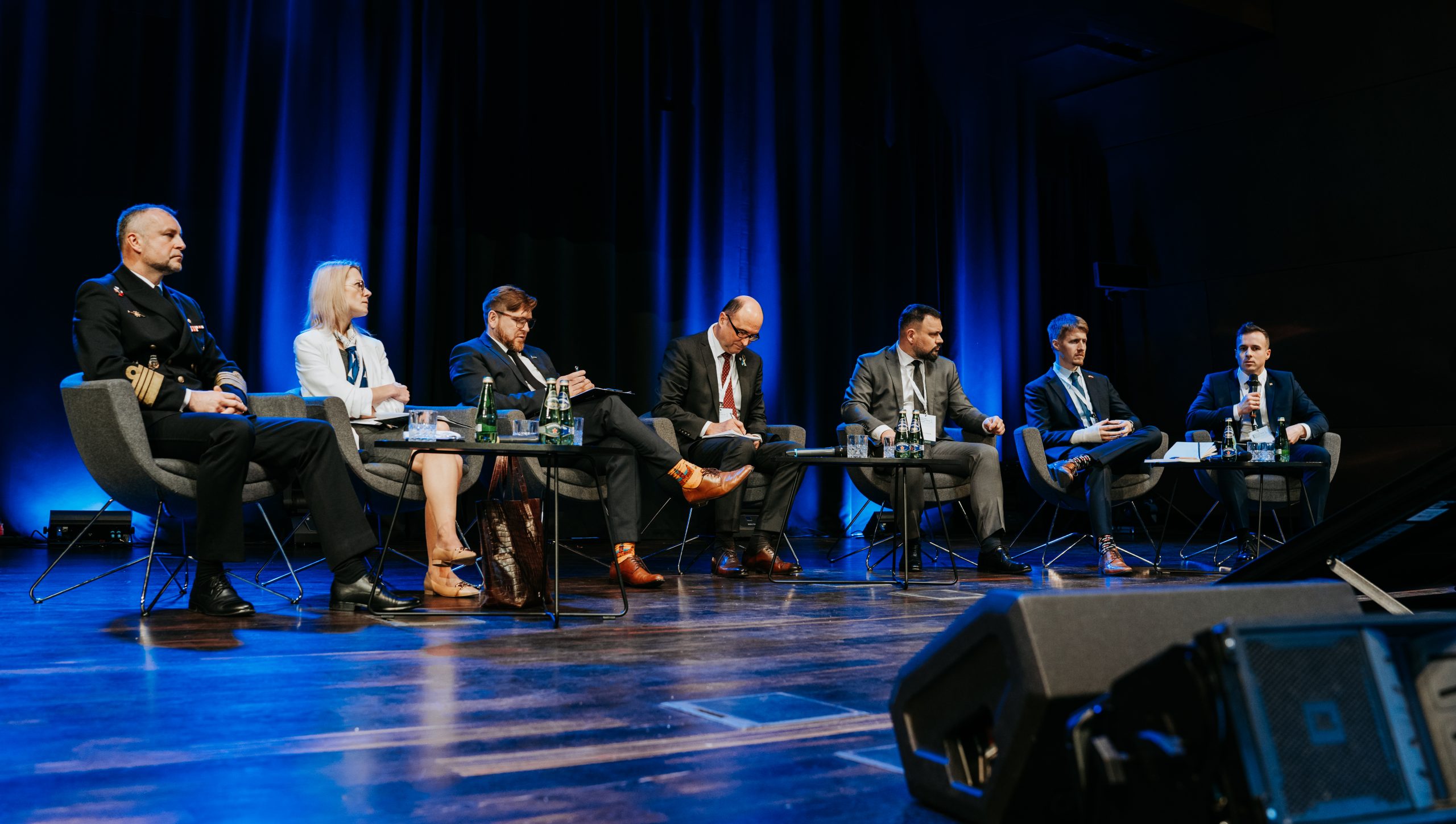
The second day of the Baltic Business Forum in Świnoujście placed offshore wind and energy security at the centre of the agenda, drawing together policymakers, energy experts, and business leaders from across the Baltic Sea region. The event, held for the 18th time, confirmed Poland’s growing role in the region’s clean energy transition.
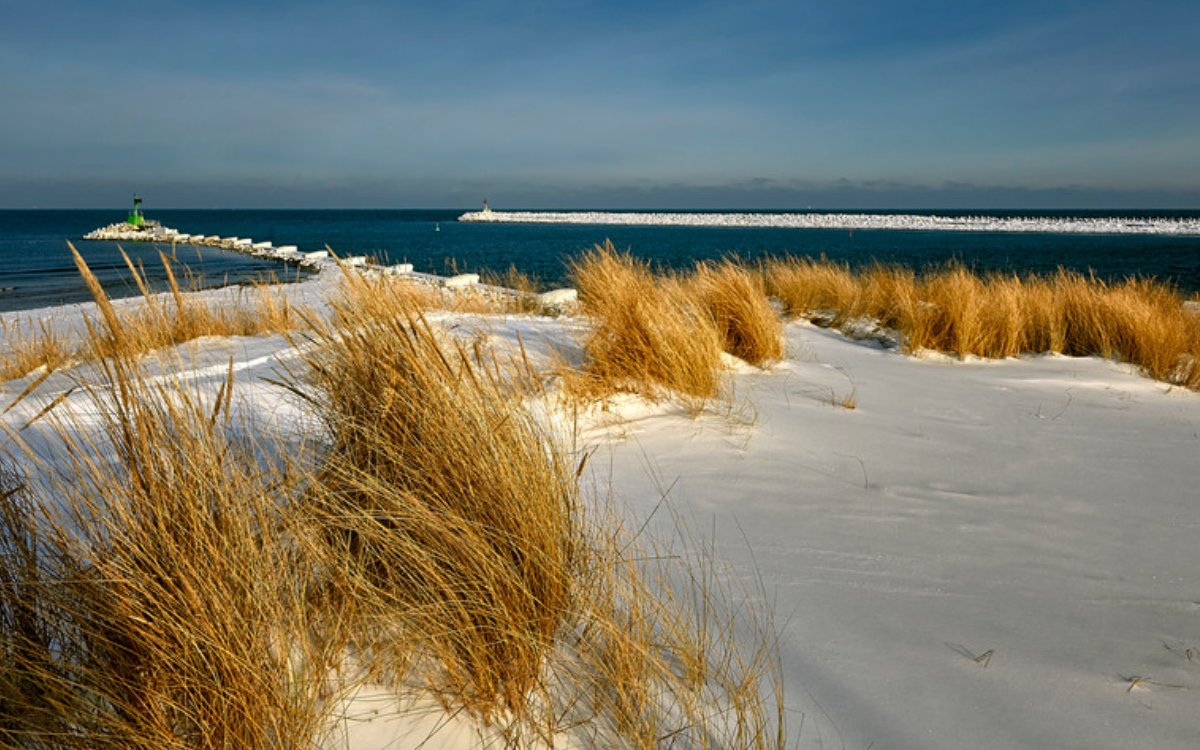
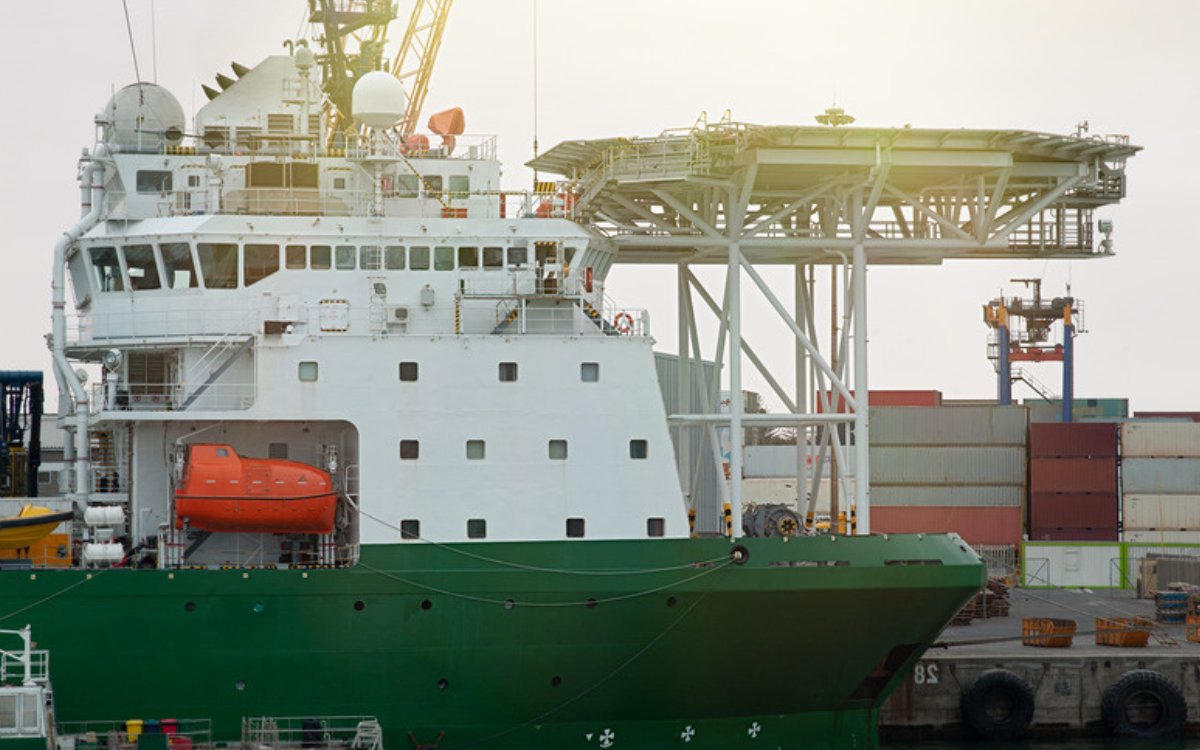
Świnoujście was not chosen as the host city by chance. The port city is home to both an LNG terminal and an offshore wind turbine installation terminal, making it a focal point for Poland’s energy infrastructure ambitions. West Pomerania already produces more than 120 per cent of its energy needs from renewable sources — more than four times the national average of 28.5 per cent.
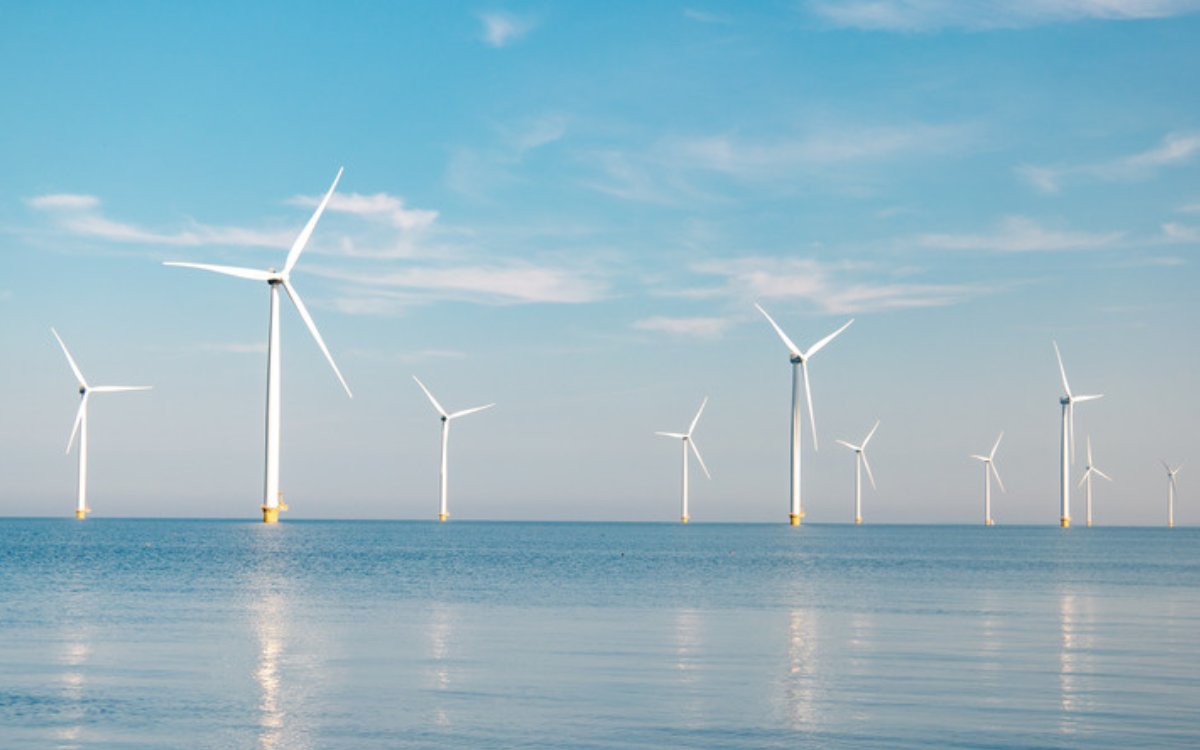
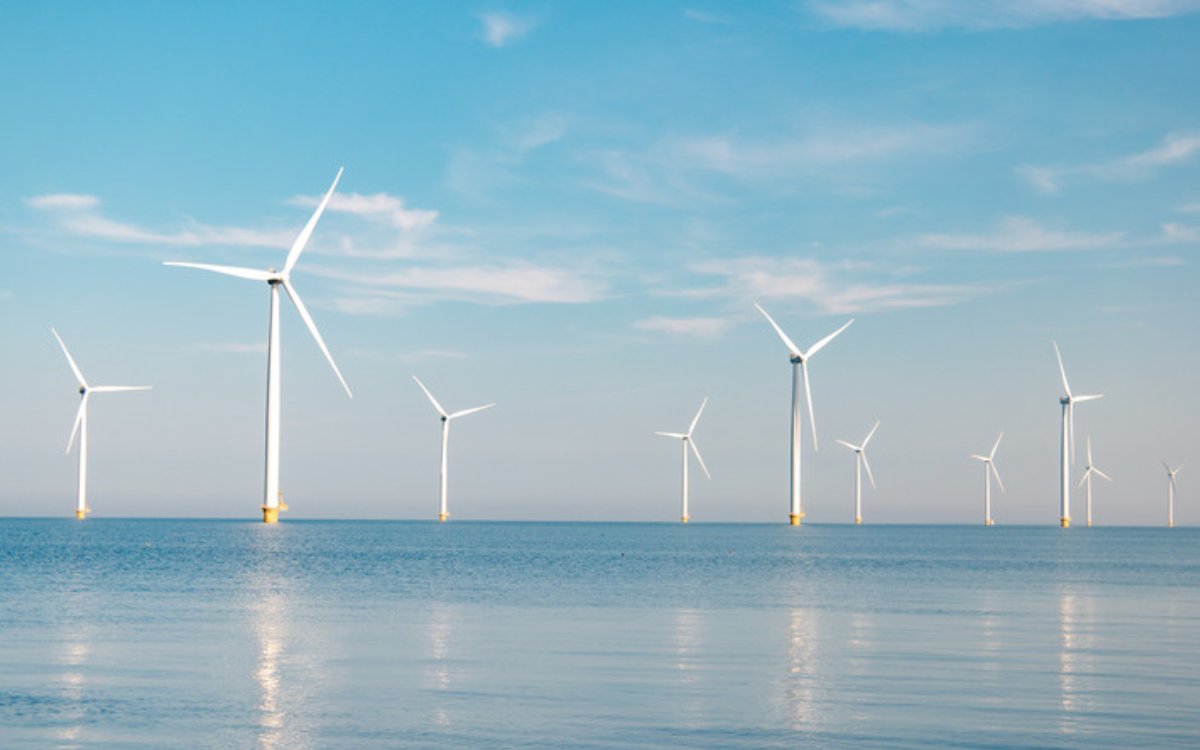
Offshore wind dominated discussions, with experts describing it as the most stable and scalable source of renewable energy in the Baltic region. Former Prime Minister and European Parliament President Jerzy Buzek noted that Poland is targeting 18 to 20 GW of offshore wind capacity by 2040. “Offshore is the best source of renewable energy because it is the most stable, especially in the Baltic,” he said.
The forum also addressed Poland’s strategic role as an energy hub for Ukraine. Participants noted that Poland already exports electricity and natural gas to Ukraine, and that Polish green technologies could support Ukraine’s reconstruction through decentralised renewable energy. Dariusz Szymczycha of the Polish-Ukrainian Chamber of Commerce said Poland offers technologies capable of building safer, distributed energy systems in Ukraine.
Forum participants were united in their conclusion: Europe’s long-term energy security will be built increasingly on renewable foundations. Baltic offshore wind — stable, scalable, and backed by growing port infrastructure — is widely seen as a pillar of that future.