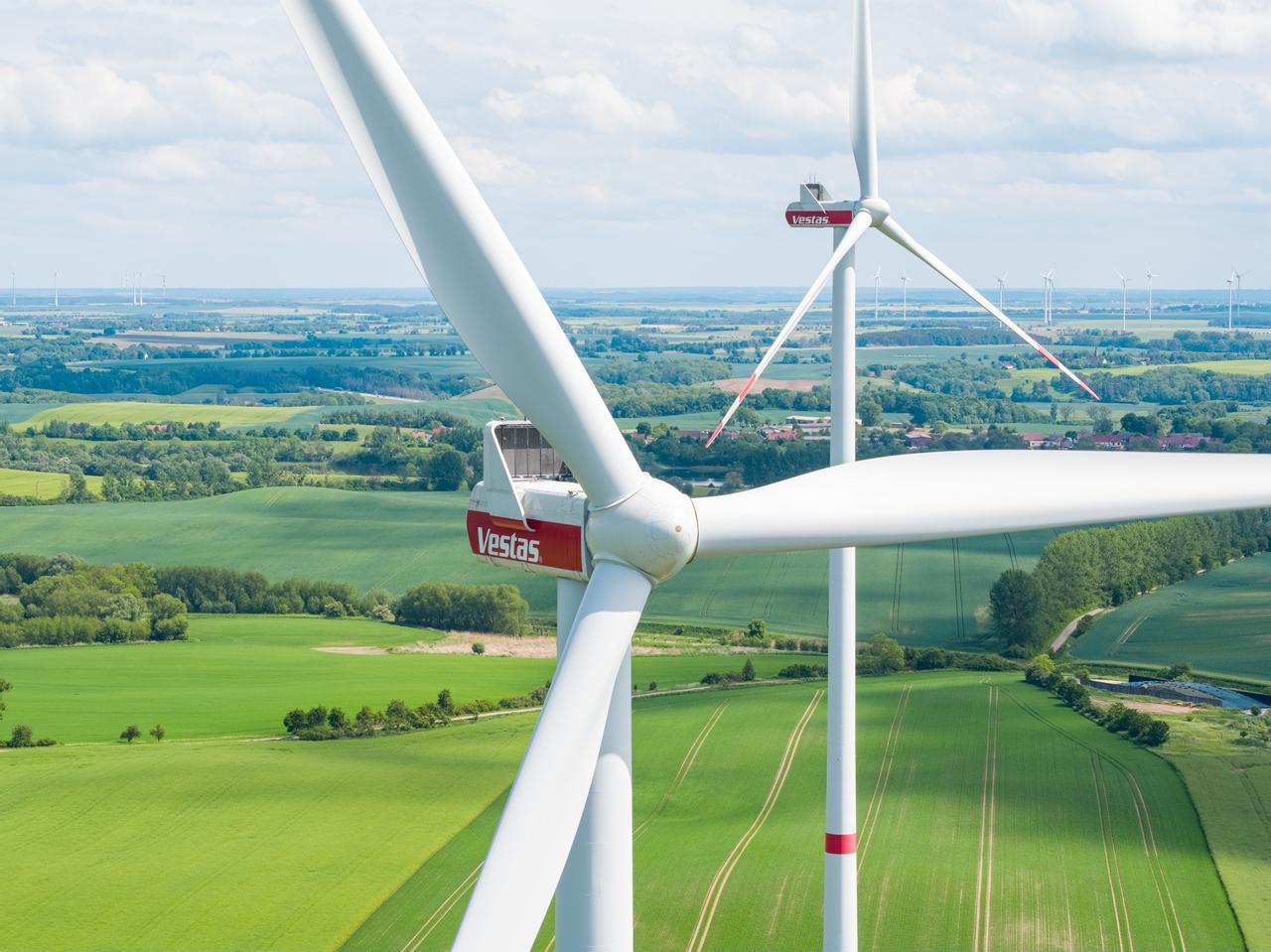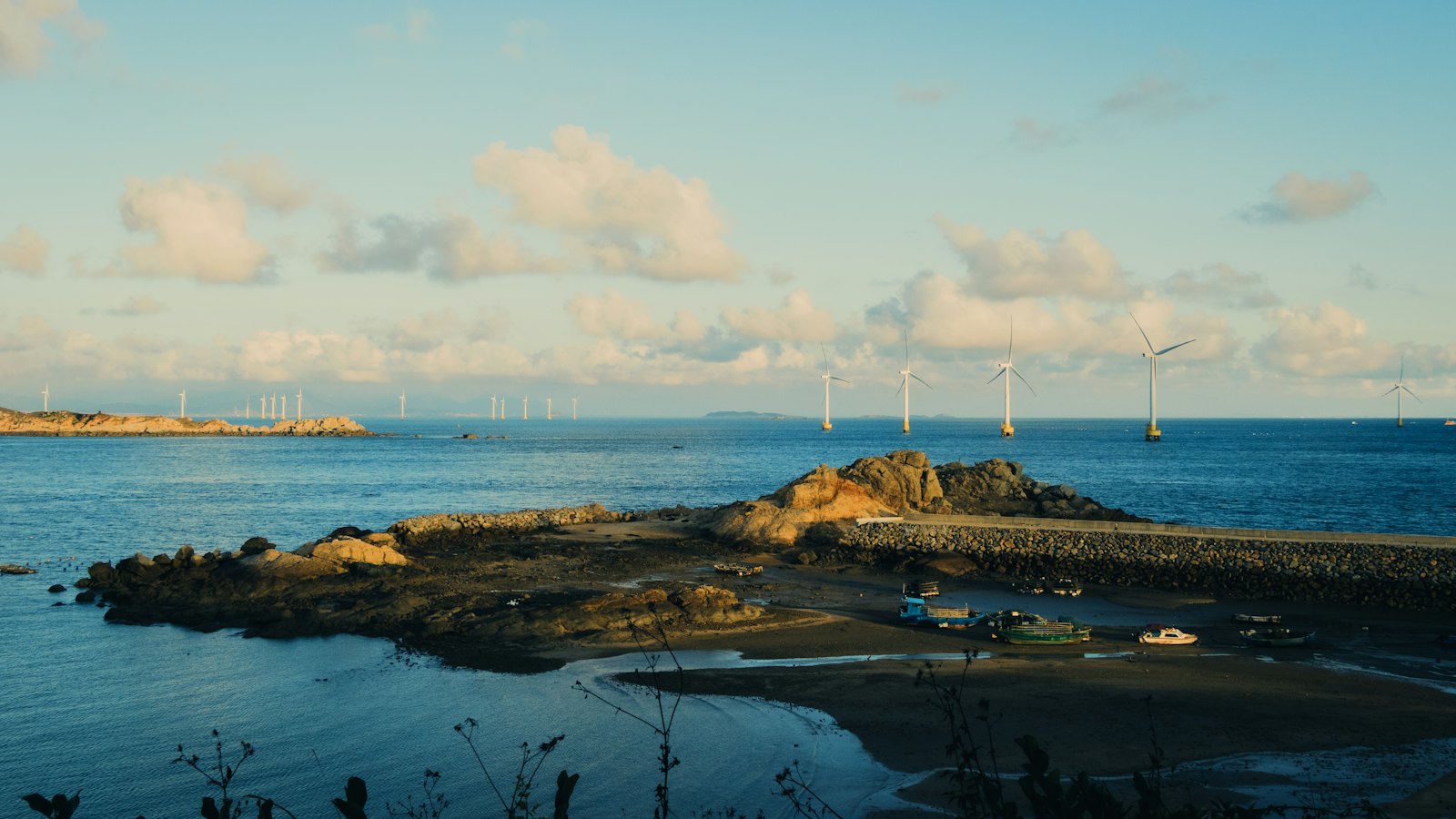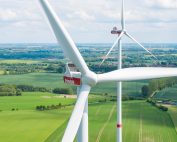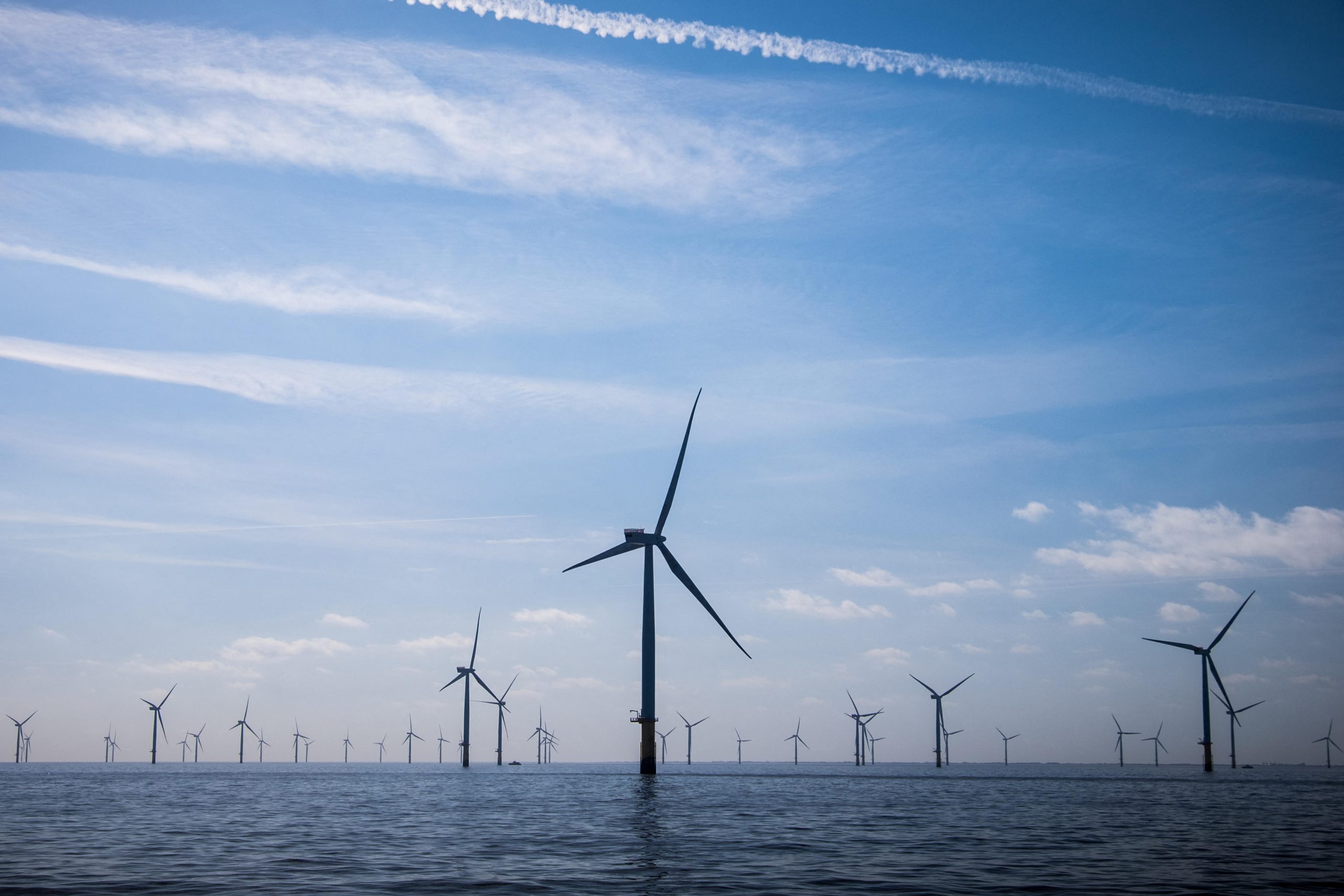
Offshore wind power is one of the most advanced energy generation technologies and continues to grow rapidly. Around 85 GW of offshore wind farms are already operational worldwide, with tens of gigawatts more under construction. In Poland, offshore wind is playing an increasingly significant role in the energy transition and the development of domestic industry, sparking a wide-ranging debate on its importance for the economy and energy prices. The year 2026, when Poland’s first offshore wind farm – Baltic Power – begins generating energy, will demonstrate that offshore wind is genuinely shaping the national energy mix and laying the foundations for a new industrial sector.
Europe is banking on offshore wind energy. The North Sea countries have entered into a joint investment pact to accelerate the development of wind farms and power grids. In the UK, the latest auction yielded a record 8.4 GW of new capacity. Poland is part of this trend – offshore wind energy has entered a mature phase of implementation. The Baltic Sea is now moving from projects on paper to real infrastructure, and 2026 is a turning point. Very soon, the first offshore wind farms in Poland will begin generating electricity and supplying power to the grid. This marks the transition of offshore energy from the planning stage to actual operation within the Polish energy system.
Denmark, Germany and the UK have previously followed a similar path – from the first demonstration projects to rapid, exponential expansion of capacity within a few years. In the UK, as recently as 2010, offshore wind was a niche technology, only to become one of the pillars of the electricity system and the largest source of renewable energy a decade later. Poland now finds itself at a similar starting point, which in other countries proved to be the beginning of dynamic growth.
The development of wind energy in the Baltic Sea is already having a tangible impact on energy prices in Poland
Offshore wind energy is a source of energy with no fuel costs, immune to fluctuations in raw material prices and geopolitical tensions. As the share of offshore wind energy in the system increases, the use of the most expensive generation units – which today often determine the marginal price of energy on the wholesale market – is reduced.
In the longer term, offshore wind power could play a significant role in stabilising energy prices for industry and households.
Market analyses show that an increase in the share of low-carbon sources with zero fuel costs reduces wholesale energy prices through the so-called merit order effect – pushing more expensive coal- and gas-fired units out of the market. In the Polish context, where energy prices are often shaped by the cost of CO₂ emission allowances and fossil fuel prices, increasing wind power generation capacity may alleviate price pressure during periods of high wind generation.
– Scenario simulations indicate that the development of renewable energy sources by 2040 could significantly reduce average wholesale prices compared to scenarios based mainly on fossil fuels, as well as lower system costs associated with energy and fuel imports. The final outcome will depend on the pace of grid development, energy storage and system flexibility, but the direction of the impact – given sufficient capacity – is clear – adds Oliwia Mróz-Malik, Manager for Offshore Wind Energy, Investment and Development at PSEW.
2026: debunking myths
This is neither an experiment nor a distant vision, but a strategic investment that strengthens industrial competitiveness, stabilises energy prices and generates thousands of jobs and new skills. At the same time, the sector’s development is facing a growing wave of misinformation – claims, unsupported by research, about the allegedly negative impact of wind farms on the economy and the environment are appearing in the public sphere. The response to this challenge lies in coordinated educational initiatives, including a nationwide campaign by PSEW and the ORLEN Foundation, which, based on reliable data and facts, highlights the real economic, social and environmental benefits of offshore wind energy and systematically debunks recurring myths.
Poland is developing expertise in a promising market segment
Already today, dozens of companies are involved in the Polish supply chain – from shipyards building steel structures, through nacelle and foundation manufacturers, to cable factories and hundreds of local transport, logistics and consultancy firms.
A Baltic Towers factory has been established in Gdańsk, which will produce up to 150 15 MW turbine towers annually and employ around 500 highly skilled workers, supporting the European offshore wind energy components market. Meanwhile, in Szczecin, Windar Renovables is building a tower factory which, from 2026, is set to create around 450 jobs, and the area has the potential to become a major industrial hub for offshore wind energy in the Baltic.
– Offshore wind energy is not just about megawatts, but an entirely new industrial sector and support for the development of Poland’s maritime economy. It also means tangible investments, jobs and expertise that will remain in the country for decades. This is one of the few areas of the energy transition where Poland is building its own industrial base, rather than simply importing technology — adds Oliwia Mróz-Malik, Manager for Offshore Wind Energy, Investment and Development at PSEW.
The year 2026 marks a turning point in dispelling the myths surrounding offshore wind energy. We are at a point where Poland is consistently building one of the key pillars of its energy security and modern economy. It is one of the largest infrastructure projects in the country’s post-war history, with a value exceeding PLN 130 billion in the first phase, and potentially reaching as much as PLN 500 billion by 2040.
Source: Baltic Power