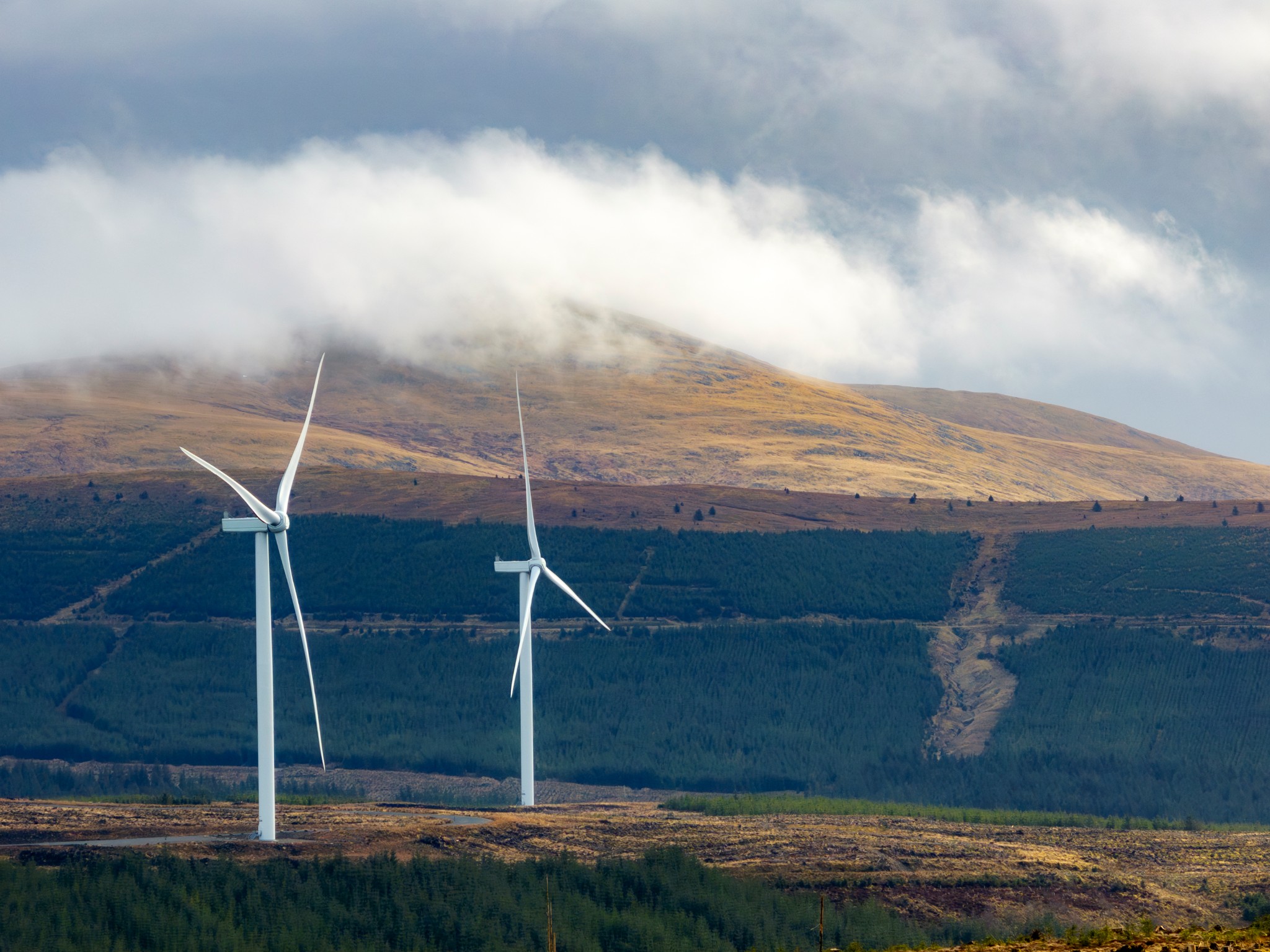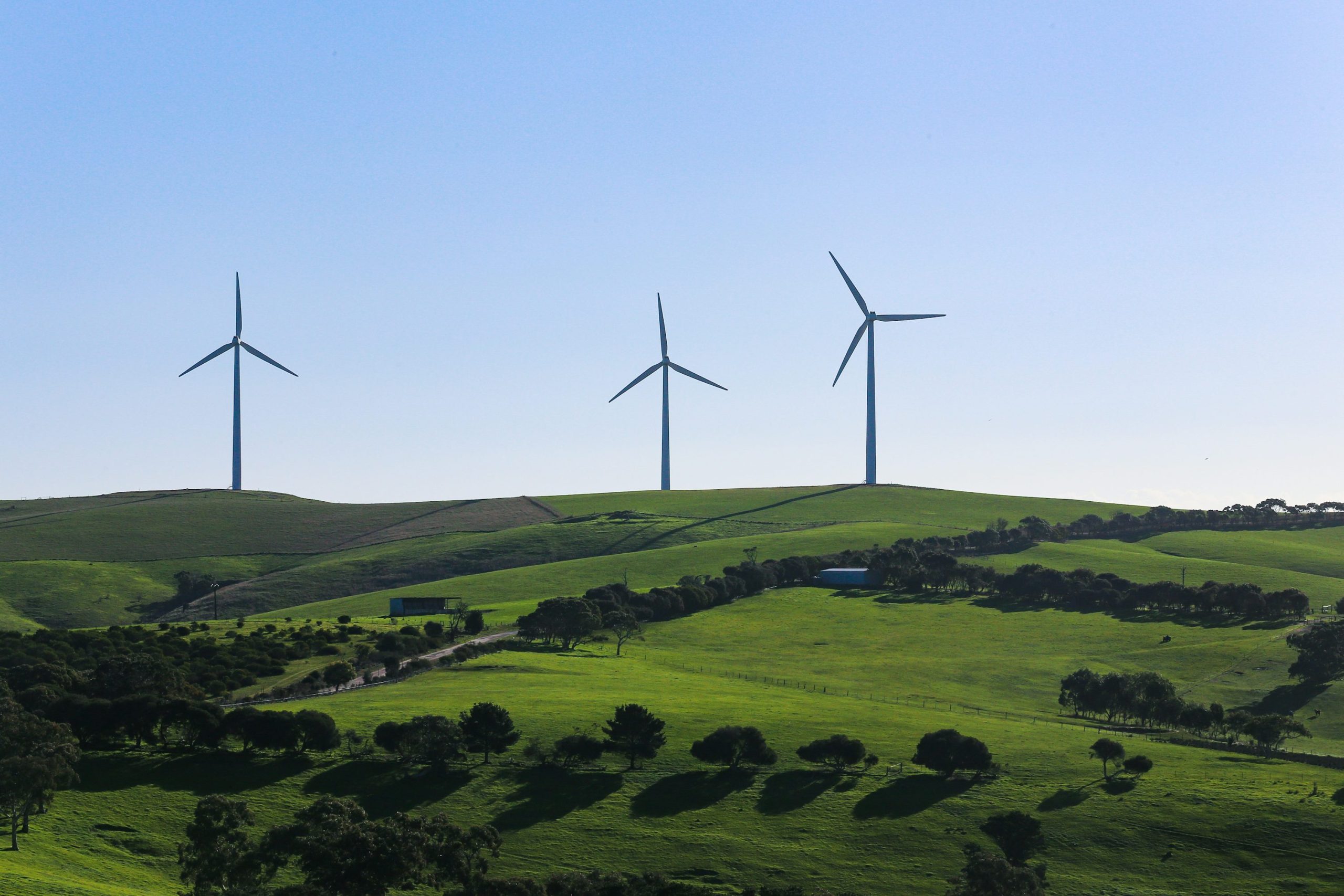
Onshore wind is among the cheapest ways to generate electricity in Poland and could lower energy costs for the economy — if administrative and grid barriers are removed, experts argued during a debate on the future of the energy market at the PSEW 2026 conference in Świnoujście.
Remigiusz Nowakowski, CEO of Qair Polska, said the renewables sector is now mature enough to compete without broad public support, and that the energy ministry’s proposed return to a mandatory power-exchange obligation would not translate into lower prices, since wind power is already competitive. He pointed to system inflexibility: in 2025 Poland lost around 1.4 TWh of renewable generation to grid curtailment — “the cheapest energy, which could not be used because the national system was unable to absorb it.”
Every additional megawatt-hour of onshore wind lowers costs across the system and strengthens resilience through diversification, Nowakowski said, with risk spread across many installations rather than concentrated in one large plant. He identified public opposition — often fuelled by unverified claims about health effects — as one of the most serious obstacles, and called for a national information campaign on wind energy similar to past efforts around nuclear power. He also flagged the lack of clear, uniform defence-ministry guidance on siting turbines near military zones.
Anna Szczodra of KPMG said support schemes are still needed but should be “intelligently reformed” to reflect geography, reference prices and non-price criteria. PSE vice-president Konrad Purchała described a fundamental shift toward generation in the north — offshore wind and planned nuclear — while Aleksandra Redzisz of the energy ministry noted that the Council of Ministers had just adopted the National Energy and Climate Plan (KPEiK), setting the sector’s direction to 2040.
Industry experts said the plan gives investors an important signal, but warned that meeting its targets will require removing administrative barriers, expanding the grid and creating stable conditions for new renewable investment — issues that bear directly on the Baltic region’s onshore wind build-out.