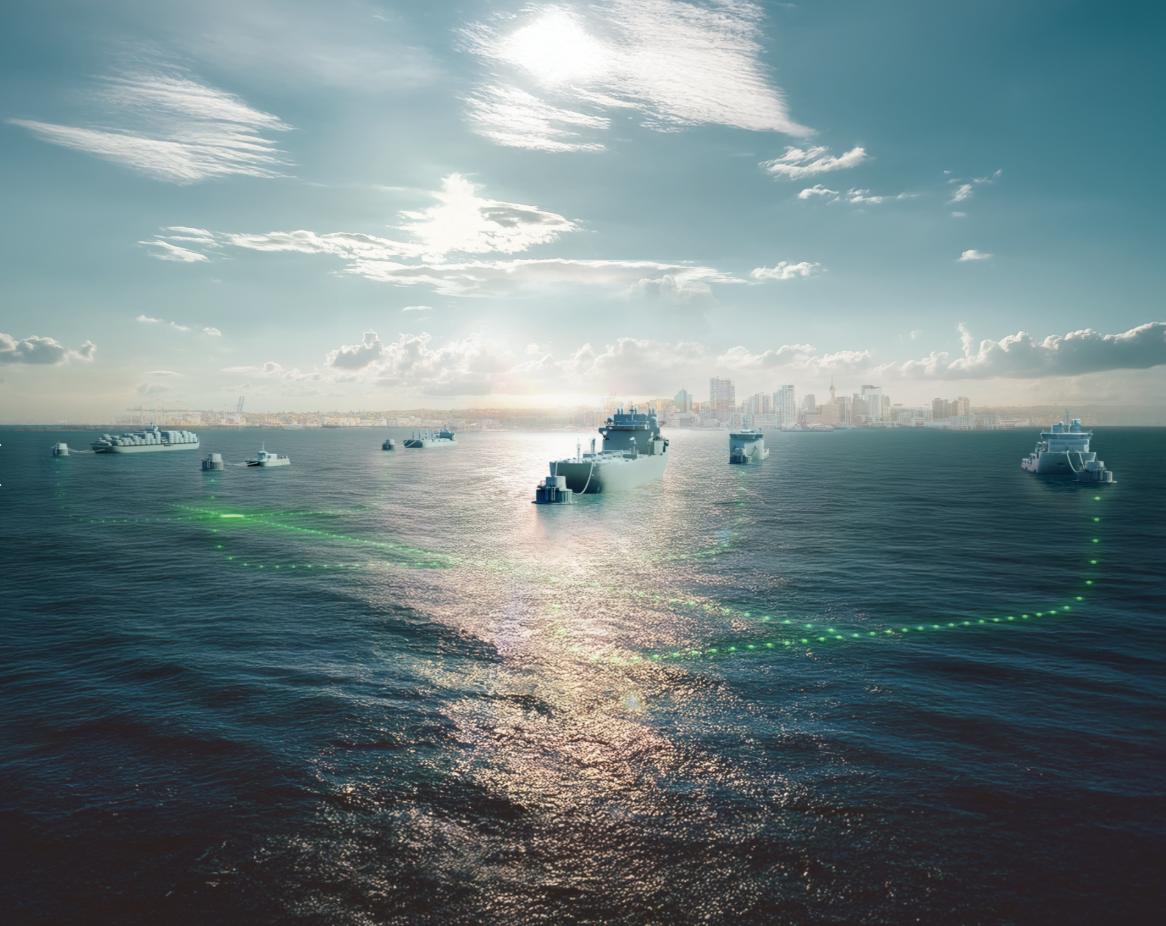
Stillstrom by Maersk and the Port of Roenne have launched a joint white paper initiative examining how Energy Island Bornholm could become a blueprint for integrating offshore wind power with large-scale vessel electrification in the Baltic Sea. The study, Energy Island Bornholm Powering Maritime Electrification, explores how future renewable generation and grid capacity could support charging infrastructure for electric ferries, cargo vessels and offshore service vessels — a step seen as critical to accelerating Europe’s maritime decarbonisation.
Maritime electrification accelerates as battery technology matures
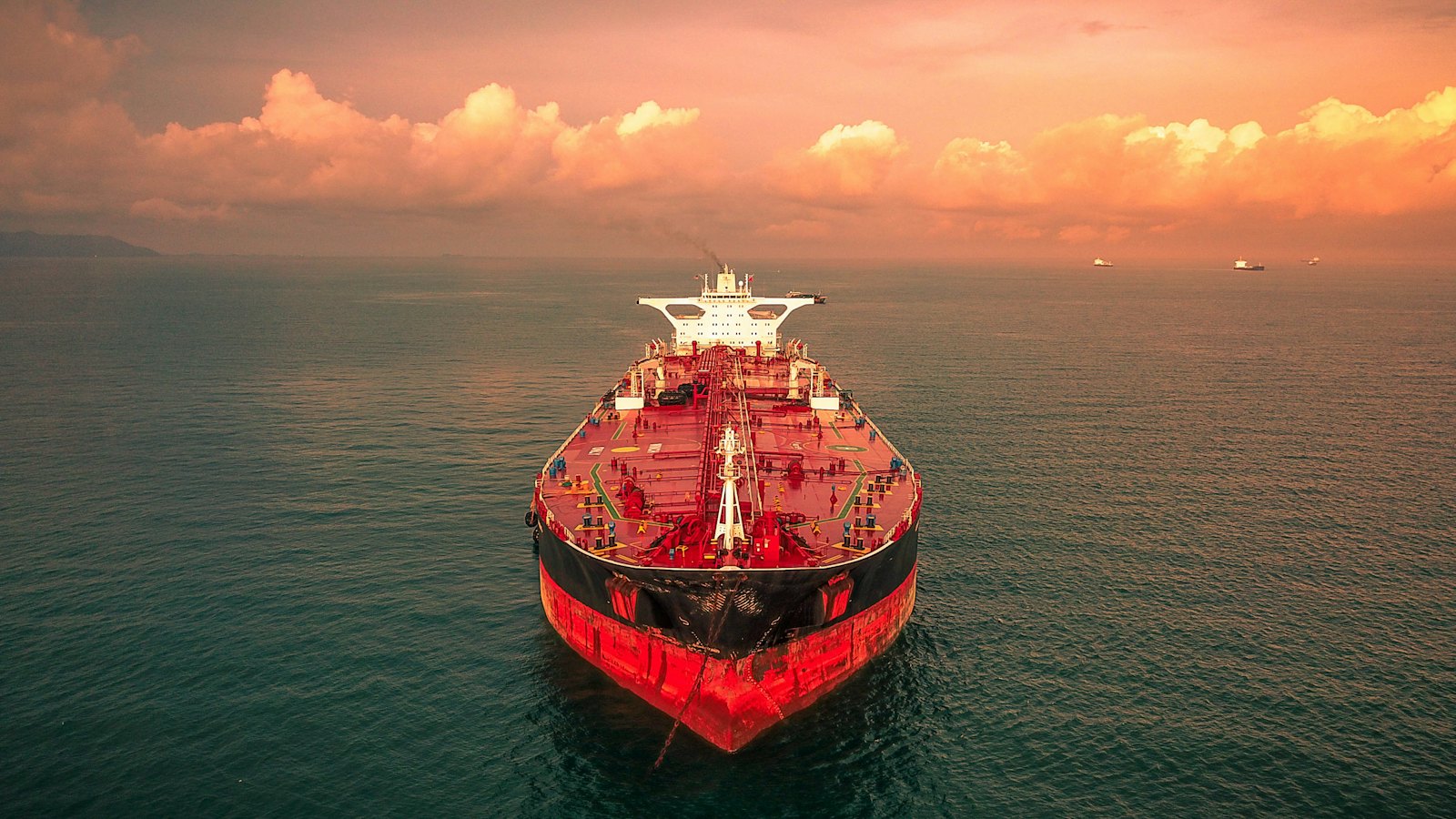
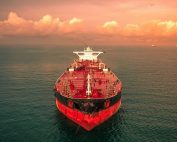
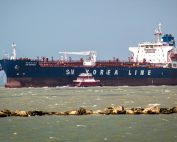
Bornholm sits along one of Europe’s busiest shipping corridors, where conventional cargo vessels consume significant volumes of fossil fuels each year. Stillstrom estimates that electrifying this segment alone would require 17 TWh of new electricity demand, replacing roughly 3 million tonnes of marine gas oil annually, and saving ship operators an estimated €2 billion in avoided oil imports.
“Maritime electrification is the next frontier of Europe’s green transition,” says Sune Strøm, Senior Regulatory & Public Affairs Manager at Stillstrom. “For shipowners to invest in battery-powered vessels, charging infrastructure must be built ahead of demand — both offshore and in ports. Energy Island Bornholm offers a unique opportunity to demonstrate how offshore wind energy can support vessel charging.”
Port of Roenne brings operational insight into future charging needs
As a TEN-T Comprehensive port and a strategic hub for Baltic Sea offshore wind logistics, the Port of Roenne contributes practical knowledge on the infrastructure required to support vessel electrification — from future ferry charging and clean shore power for cruise ships to offshore charging opportunities for service vessels.
“Energy Island Bornholm gives us a valuable opportunity to better understand what future maritime energy needs might look like,” says Jeppe La Cour, CCO of Port of Roenne. “With our central location in the Baltic Sea, we see a natural role in qualifying discussions about what will be required to support the wider transition.”
A European model for integrating offshore wind and vessel charging
The white paper aims to provide a scalable roadmap for ports, offshore hubs and policymakers preparing for a new era of electric maritime transport. It will be published in Q1 2026 and is expected to inform EU-level discussions on clean shipping corridors, port electrification and offshore grid planning.
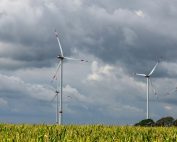
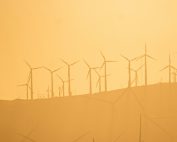
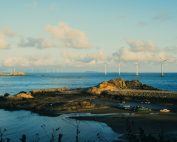
Energy Island Bornholm — designed to host up to 3 GW of offshore wind with transmission links to Denmark and neighbouring markets — remains one of Europe’s most ambitious cross-border energy projects. Its potential role as an enabler of maritime electrification could make it a flagship for the next phase of the green transition in the Baltic Sea.