Eight NATO nations conducted mine countermeasures operations off the coast of Latvia between 1 and 13 May 2026 as part of Exercise Open Spirit 2026 — a long-running multinational effort to locate and destroy explosive ordnance left on the Baltic seabed from both World Wars. Unlike most military exercises, Open Spirit produces tangible results: every mine neutralised immediately reduces hazards for commercial shipping, fishing vessels and, increasingly, offshore wind installation work.
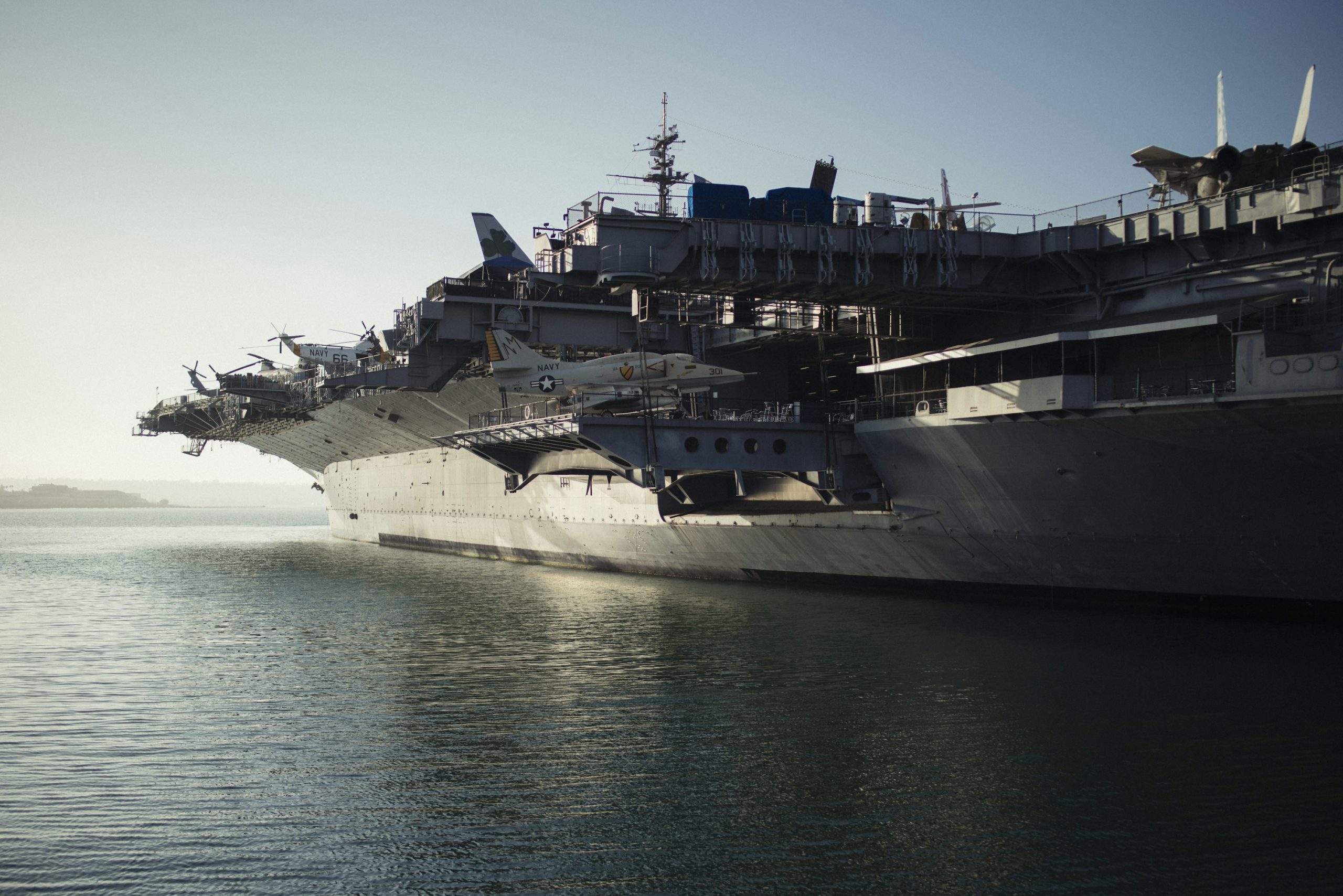
The exercise brought together ships from eight nations, nine diving teams and five autonomous underwater vehicle (AUV) teams, with nearly 400 military personnel taking part. The flagship for Standing NATO Mine Countermeasures Group 1 (SNMCMG1) was ORP Kontradmirał Xawery Czernicki of the Polish Navy. This year’s exercise was coordinated with Sweden’s national defence exercise Aurora 26, linking mine warfare operations with broader Baltic regional defence efforts.
“Open Spirit provided an ideal opportunity to enhance capabilities in detecting and countermining sea mines from past conflicts, while also allowing forces to train the full MCM kill chain, maintaining a high level of SNMCMG1 operational readiness,” said Commander Kacper Sterne, Polish Navy, who leads SNMCMG1.
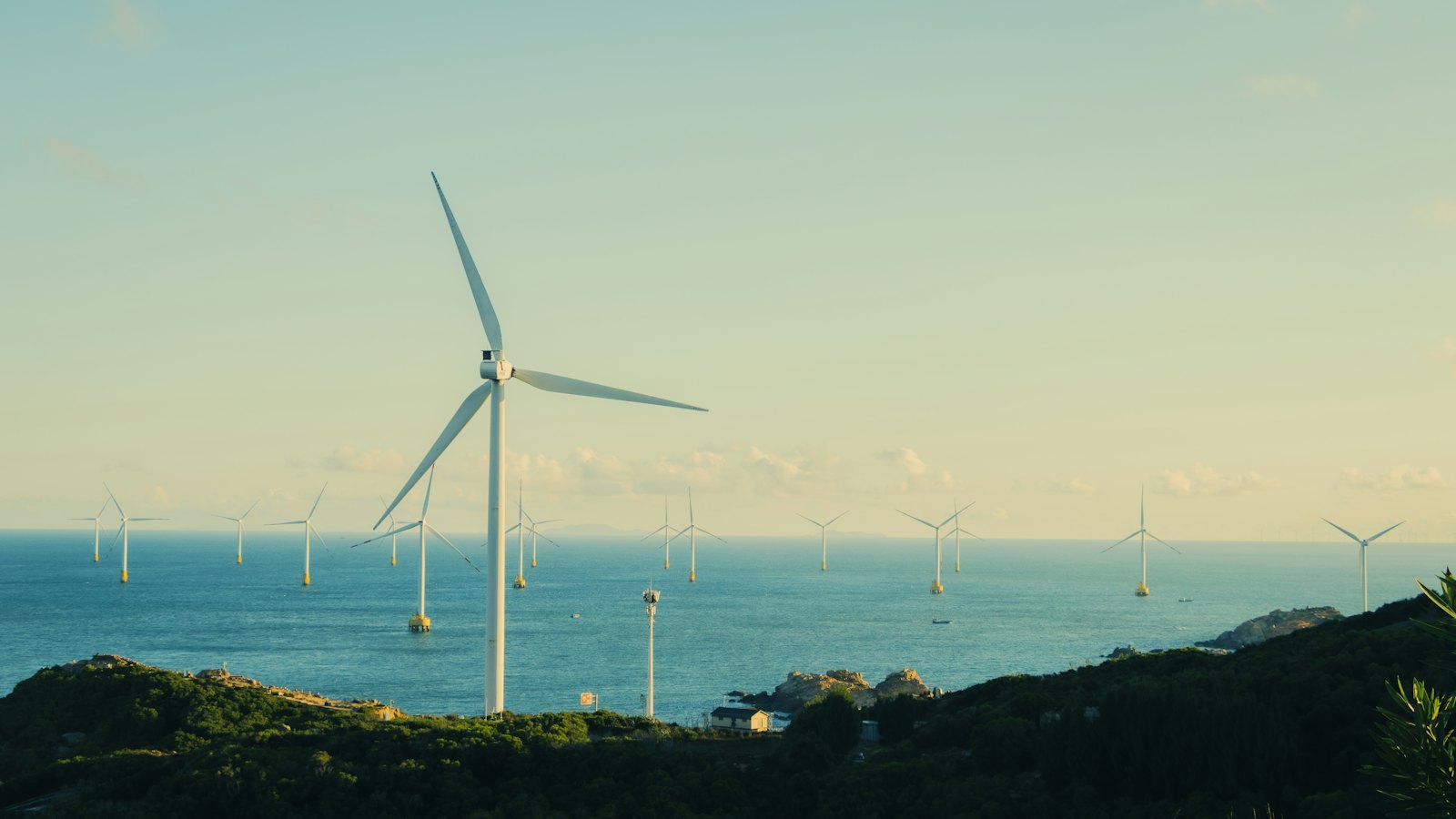
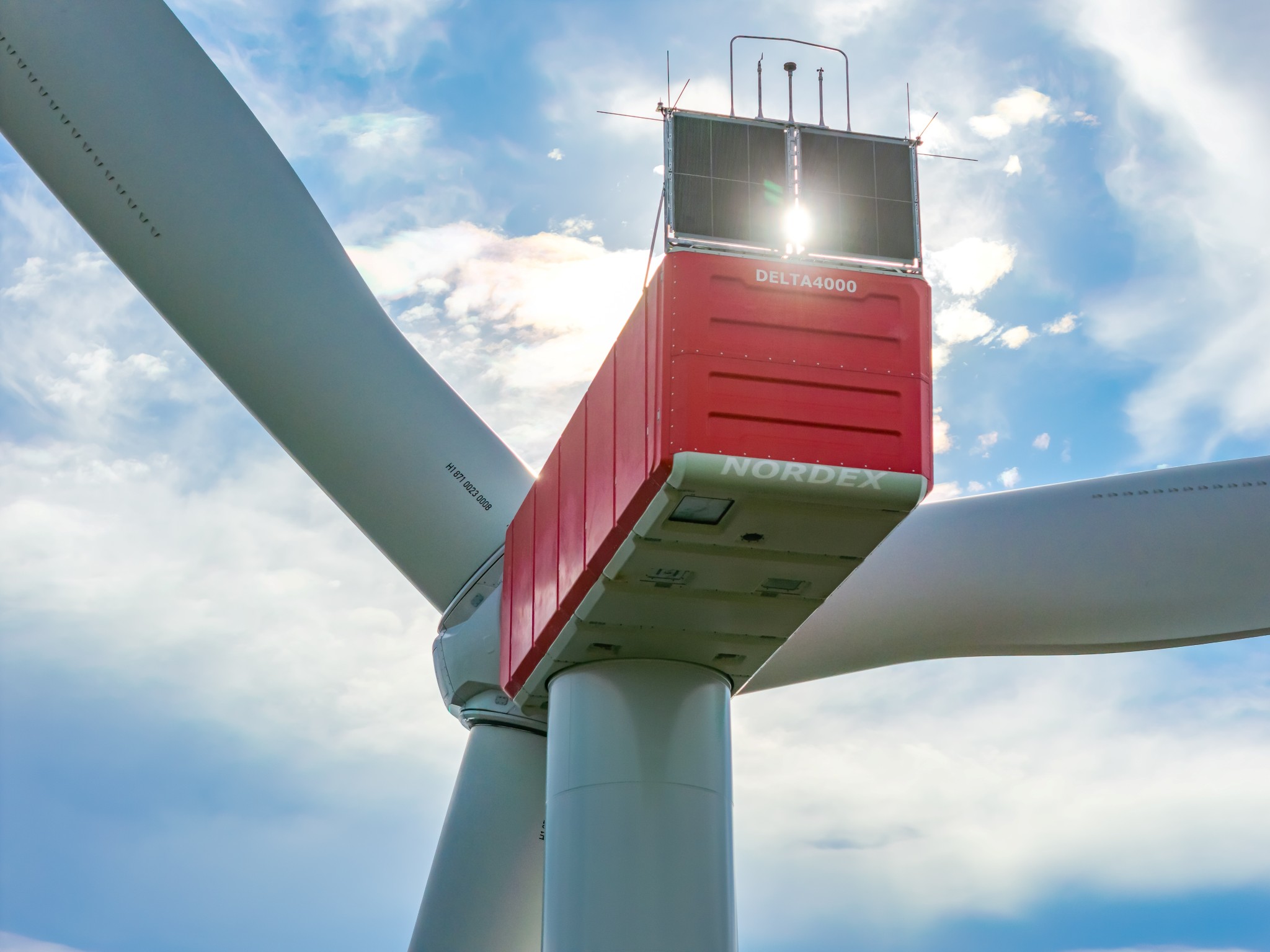
Legacy ordnance removal is directly relevant to the offshore wind industry. The Baltic Sea floor contains an estimated 50,000 tonnes of chemical and conventional munitions from the First and Second World Wars. Offshore wind developers — including those working on Polish projects such as Baltica 2 and Baltic Power — must conduct extensive seabed surveys and often coordinate with Polish and regional navies to clear unexploded ordnance before installation can proceed.
Open Spirit rotates annually between the Baltic States. The 2026 exercise was held in Latvian waters and coordinated with Swedish forces as part of the wider Aurora 26 framework, reflecting the deepening integration of Baltic defence and energy security.