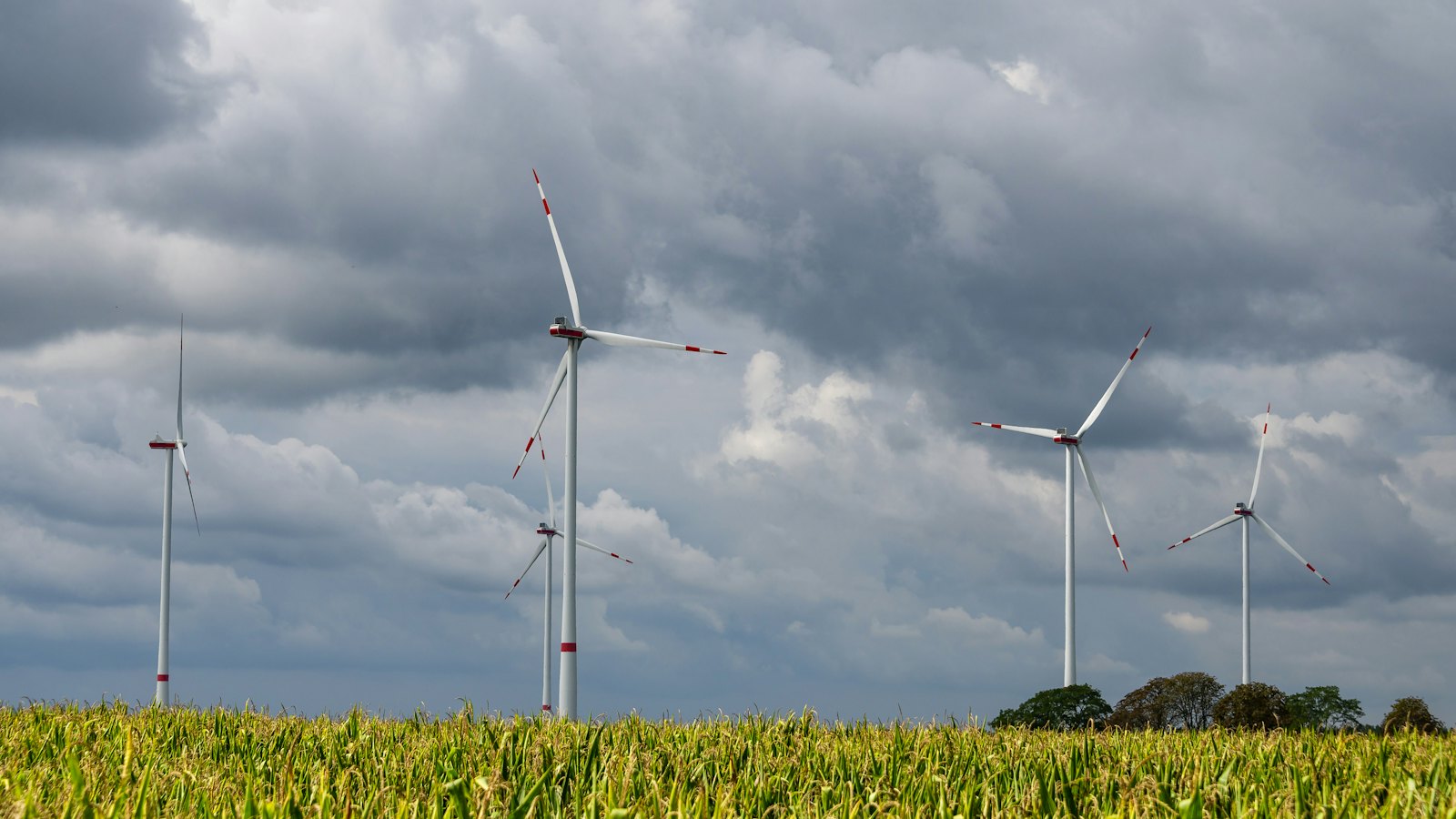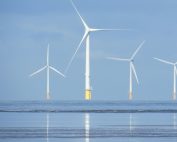
A growing share of wind turbines installed in Sweden and Finland during the early phases of Nordic wind development are now approaching the end of their 20–25-year design life. At the same time, much of the underlying infrastructure — including permits, grid connections, foundations and access roads — remains fully functional and retains significant long-term value. SEB Nordic Energy’s portfolio company Locus Energy has built a focused strategy around unlocking that value. By extending the operational life of existing wind assets rather than replacing entire installations, the company extends production, reduces lifecycle emissions, and improves capital efficiency — within existing permits.
The rapid expansion of wind power in Sweden and Finland accelerated from the 2000s onward, supported by policy frameworks designed to stimulate renewable energy generation. In Sweden, a market-based and technology-neutral electricity certificate system incentivized new capacity, with wind power capturing a significant share due to its scalability. In Finland, the development was supported in part by feed-in tariffs. These mechanisms were introduced to accelerate the build-out of renewable electricity and were always intended to be temporary. As technology advanced rapidly and costs declined, the support schemes lost their influence, marking a transition to a more market-driven investment environment.
From Locus Energy’s perspective, the development of new wind farms today faces several structural barriers. These include lengthy permitting processes, the municipal veto in Sweden, increasing grid connection constraints, and high capital expenditures associated with modern turbine installations. As a result, the cost per generated kilowatt-hour for new development projects can be difficult to justify in certain locations, particularly where existing infrastructure already exists.
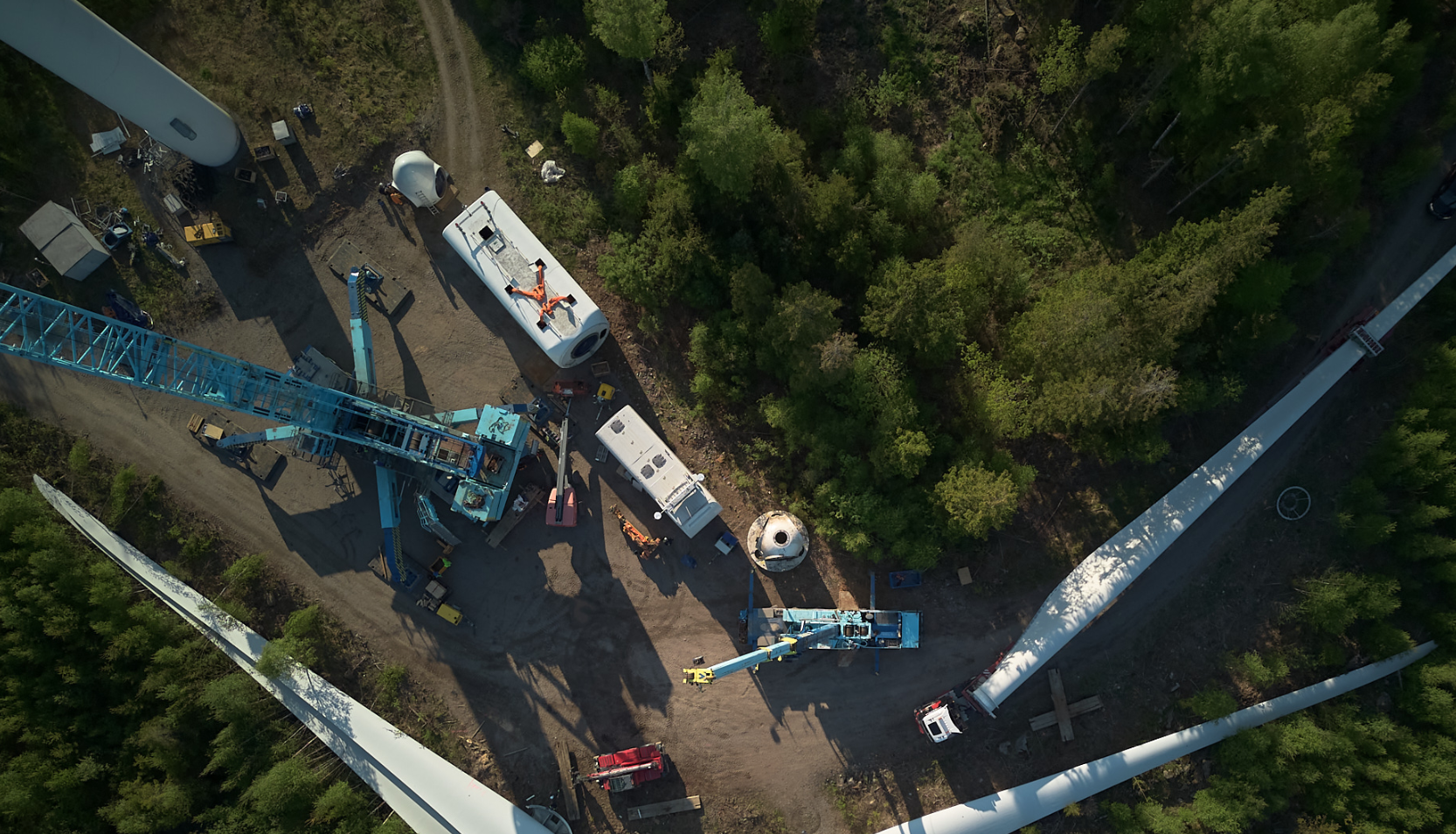
Against this backdrop, repowering and life-extension of existing wind assets represent an attractive and pragmatic alternative to building new. Locus Energy’s strategy is therefore to leverage existing sites and infrastructure by replacing or refurbishing technical components that have reached the end of their operational life. By upgrading key turbine parts while retaining existing grid connections, foundations, and site permits where possible, asset lifetimes can be extended, and production can be maintained in a cost-efficient and sustainable manner. Repowering also enables a higher level of operational flexibility. By upgrading control systems and key technical components, the wind turbines can be operated more dynamically and respond to market signals in real time.
This approach supports continued renewable energy generation while minimizing new land use, reducing development risk, and improving the overall efficiency and profitability of the existing wind power fleet.
“Repowering lets us create long-term value from existing wind assets,” says Elin Löfblad, Portfolio Manager at SEB Asset Manager. “Through Locus Energy, we aim to extend asset life, improve efficiency, and deliver stable returns for our clients while supporting the growth of Nordic renewable energy.”
Repowering by Locus Energy
Locus Energy initiated its repowering strategy in 2024 through a pilot project in Värslen, where one turbine was successfully repowered using a refurbished solution. Following this proof of concept, execution accelerated significantly. In 2025, Locus Energy scaled its repowering efforts to a total of 10 projects, demonstrating both operational capability and scalability.
The rapid expansion from one pilot to ten projects within a year highlights strong technical and project management expertise, structured asset evaluation processes, and disciplined capital deployment across multiple sites. The transition from concept to scalable platform underscores Locus Energy’s ability to deliver repeatable, capital-efficient and profitable growth.
“Our repowering strategy is about combining sustainability with capital discipline,” says Mattias Söderqvist, Deputy CEO and Partner at Locus Energy. “By reusing existing infrastructure and selectively upgrading critical components, we extend asset lifetimes, lower lifecycle emissions and improve returns for our investors — all while reducing development risk. The scale-up from one pilot in 2024 to ten projects in 2025 clearly demonstrates both our execution capacity and the scalability of the model. We look forward to accelerating our repowering efforts across the Nordics going forward”
Locus Energy has established a leading position in wind repowering across Sweden, building a platform that increases the productive lifespan of existing renewable infrastructure.