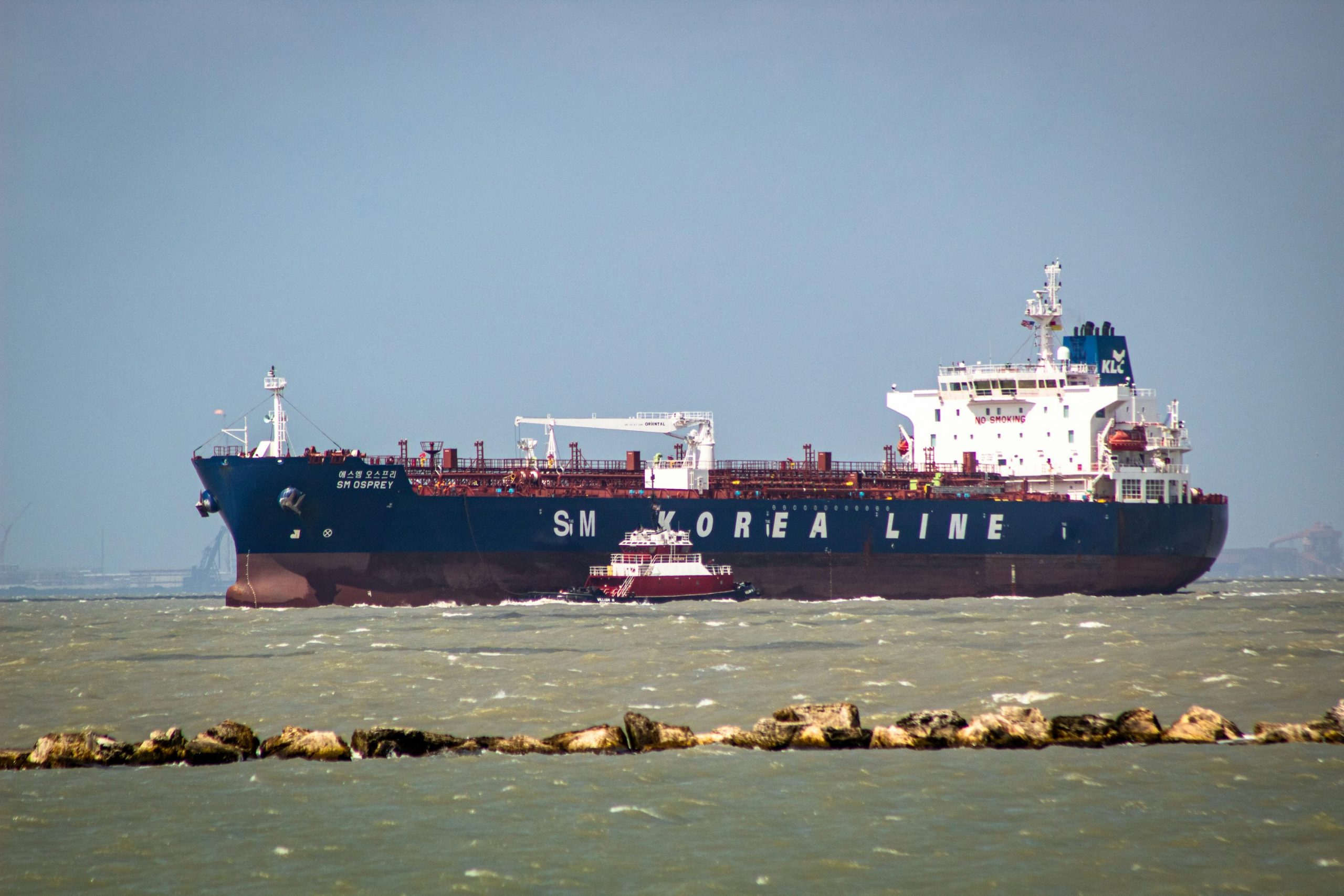
KN Energies, operator of Lithuania’s Klaipėda LNG terminal, has completed a long-term allocation of regasification capacity for 2033–2044, booking more than 20 terawatt-hours (TWh): 8 TWh through 2044 and a further 12 TWh through 2040. Five customers took capacity: Lithuania’s Ignitis, Latvia’s Latvenergo, Norway’s Equinor and, for the first time, Finland’s Gasum and Ukraine’s Naftogaz.
Energy Minister Žygimantas Vaičiūnas said the result confirmed the terminal’s strategic importance for the energy security of the Baltic region and Europe, calling the arrival of Naftogaz and Gasum a signal of trust in Lithuania’s infrastructure and of the terminal’s expanding role from the Baltic toward Northern Europe and Ukraine. KN Energies chief executive Darius Šilenskis, speaking at the Baltic LNG & New Energies Forum in Klaipėda on 10 June, said the bookings vindicated the decision taken more than 15 years ago to build the terminal.
The procedure, launched in March 2026, offered up to 28 TWh a year in seven equal 4 TWh packages over eight- or twelve-year terms; roughly 1 TWh corresponds to one conventional LNG cargo. Combined with a 4 TWh package allocated back in 2023, total utilisation will reach around 75% of the terminal’s nominal capacity. Unallocated capacity may be offered through repeat long-term and annual procedures, with existing long-term customers given priority on cargo windows.
For the Baltic and Northern European gas market, the terminal increasingly functions as a strategic gateway, linked to the wider system via Amber Grid and regional interconnections. Šilenskis noted the bookings echo a broader European trend, with long-term LNG capacity recently offered or allocated by terminals in Croatia, Greece, the Netherlands, Germany and Poland.