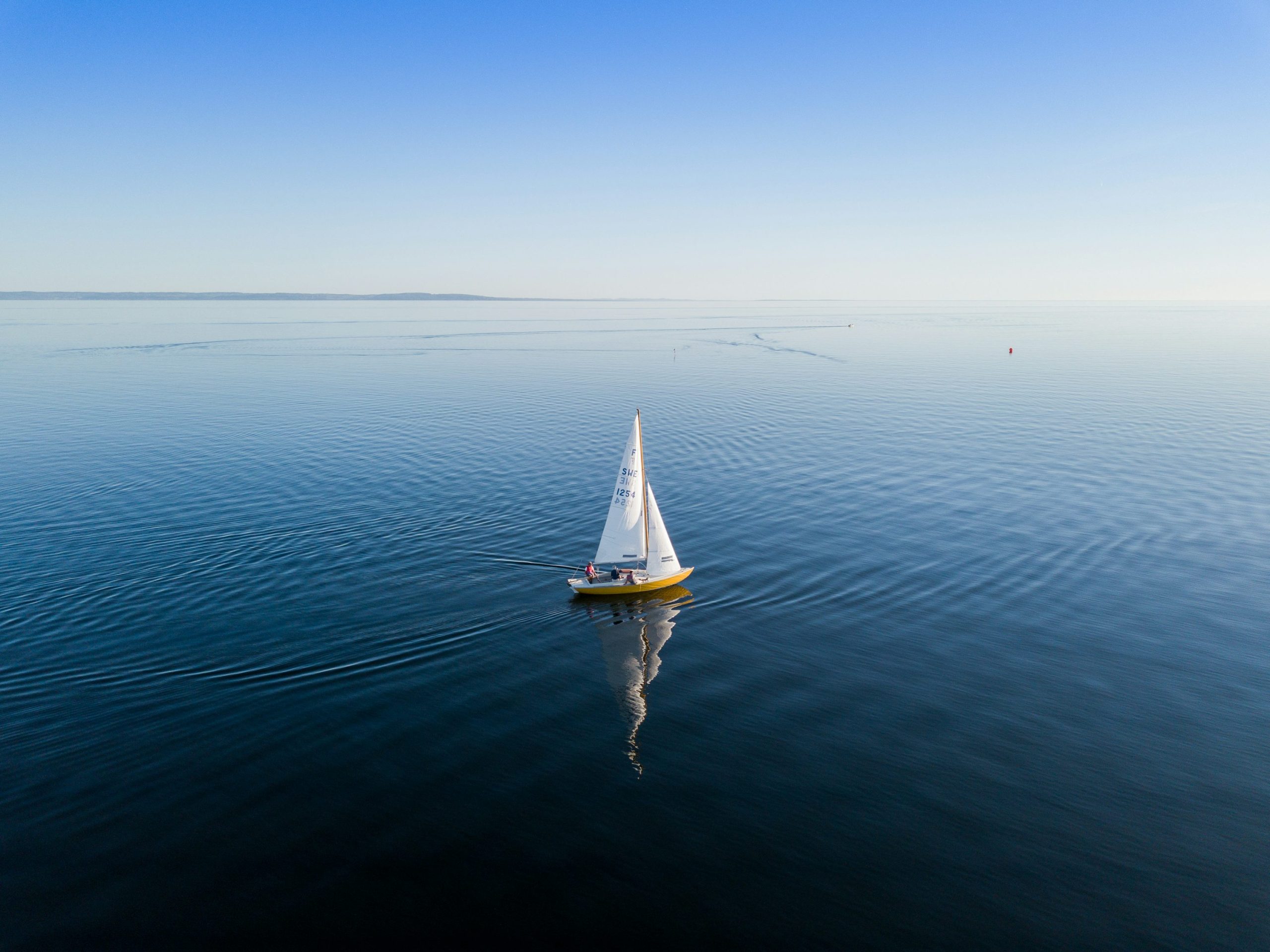
Scientists from the GEOMAR Helmholtz Centre for Ocean Research Kiel have begun a series of research expeditions in the Baltic Sea aboard the Malizia Explorer, a sailing vessel converted for scientific work and operated by professional sailor Boris Herrmann’s Team Malizia. The first of three legs departed Kiel on 9 July, with the campaign running until 24 July.
The first and third legs focus on seagrass beds off the coast of southern Denmark and in the Bay of Mecklenburg-Western Pomerania. Researchers are assessing the condition and extent of the meadows and taking sediment cores to determine their potential as natural carbon sinks, as part of the ZOBLUC and SeaStore II projects. “To determine how much carbon is contained in the sediment beneath the seagrass meadow, we take sediment cores,” said Jana Silva Willim, a doctoral researcher at GEOMAR leading the seagrass leg. Genetic samples will also be used to assess the state of the beds.
The second leg follows the Schleswig-Holstein coast to the Little Belt off Denmark and focuses on phytoplankton, which forms the basis of marine food webs and accounts for a large share of CO2 uptake through photosynthesis. The team, led by Prof. Anja Engel, head of marine biogeochemistry at GEOMAR, is investigating how the species composition and activity of microalgae can serve as indicators of the state of the Baltic Sea, with AI-based methods used to process the large datasets. The work feeds into the RECOVER and KIMMCO projects.
The Baltic Sea is under pressure from eutrophication, warming, algal blooms and expanding oxygen-poor zones, with water temperatures in some regions rising by 0.6 degrees Celsius per decade. The expeditions are intended to improve assessments of the sea’s ecological state and support the development of protection and restoration measures.
The Malizia Explorer, in service since April 2025, accommodates up to 14 people including a sailing crew and up to eight scientists. Its shallow draught allows research close to the coast, and the vessel’s sensors have previously collected ocean data during offshore sailing races.